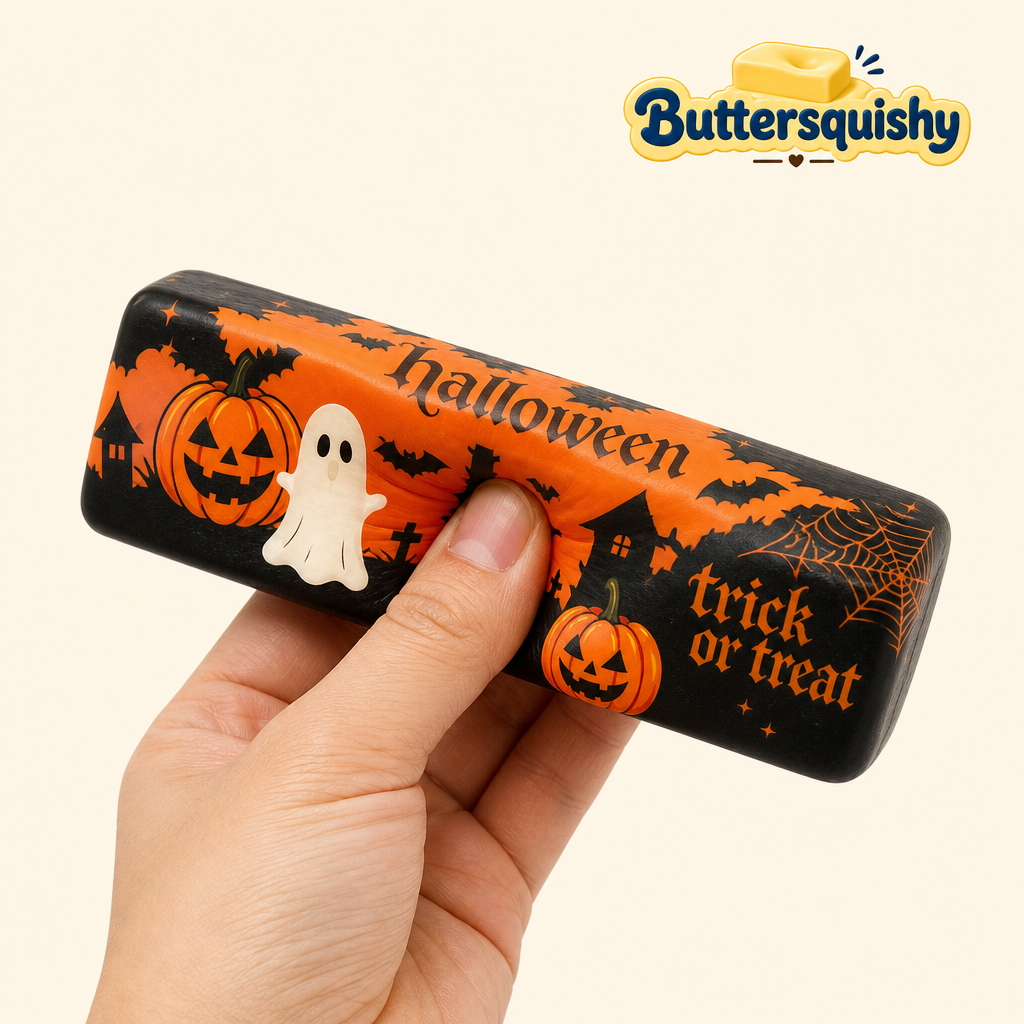
 Halloween Ghost Butter 3-Pack $12.99
Butter squishy blog · What is a butter squishy? · This butter squishy
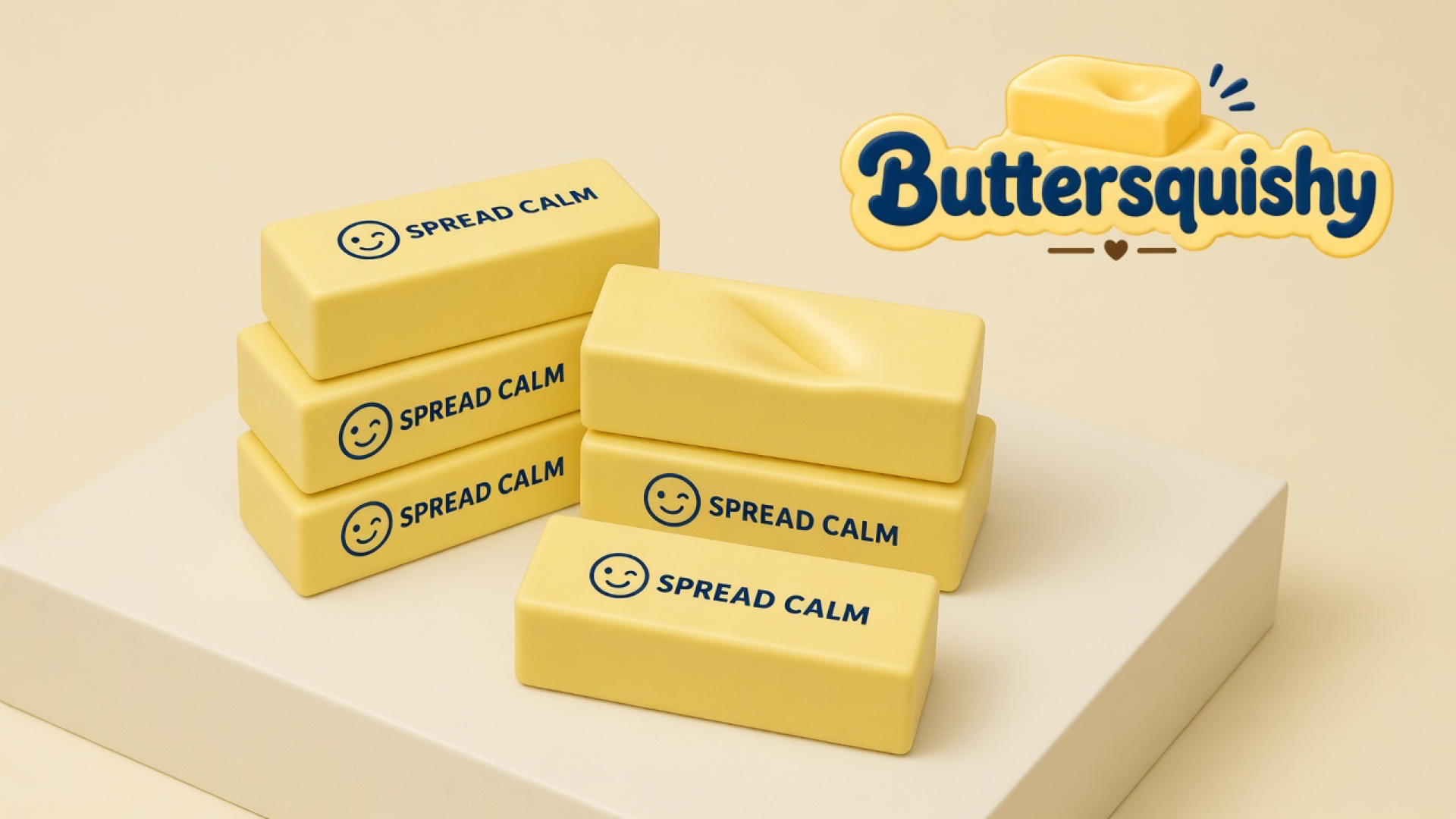
The 3+ line on a toy box is a US small-parts floor, not a green light for toddlers. If you are searching squishy toys ages 3+, read it as a hard no for children under 3. Smile Cube Butter 6-Pack is a slow rise squishy you press and watch rebound. It is a hand fidget that looks like butter, not a teether, snack, or crib toy.
US toy aisles print 3+ because federal rules treat children under three as a separate, higher-risk group. The U.S. Consumer Product Safety Commission bans children’s products intended for children under 3 when those products present a choking, aspiration, or ingestion hazard because of small parts. That ban is written at 16 C.F.R. part 1501.
A small part, in that rule, is not a feeling. It is any object that fits, without compressing, entirely into a test cylinder sized to the throat of a child under three. It can be the whole toy. It can be a piece that breaks off during use-and-abuse testing. The CPSC small-parts FAQ exists for the same reason: under-three kids still put objects in their mouths, and a blocked airway does not wait for a grown-up to finish a sentence.
So 3+ is a floor. It means “do not treat this as a baby toy.” It does not mean every three-year-old should own one. It does not mean the toy is a chew item. It does not mean we ran a lab certificate for this SKU. The Smile Cube catalog card lists a 6-pack, a slow rise, and a quiet squeeze. It does not list an official age grade. This page follows the CPSC floor, then adds a household rule that fits a food-look fidget.
No. Smile Cube is six pale yellow sticks printed with a navy smile and the words SPREAD CALM. They look like wrapped butter. That is the joke. It is also the hazard.
Toddlers learn with their mouths. A soft yellow loaf on a coffee table does not read as “desk toy.” It reads as snack. The pack is not edible. It is not a teether. It does not belong in a diaper bag next to wipes, and it does not belong in a play kitchen while a younger sibling is still mouthing blocks.
Buttersquishy’s own FAQ is stricter than aisle language. The shop answers “Is it safe for kids?” by pointing to ages 6 and up, and by repeating that these are hand toys, not chew toys. The terms page says fidget and desk use, not a chew toy. Read 3+ as the legal floor you came here to understand. Read 6+ as this shop’s own use note. Neither line is a medical claim, a sensory-therapy claim, or a promise that a preschooler will use the toy the way an older kid will.
If the child in front of you still chews crayons, keep the cubes in the closet.
A slow rise squishy is a squeeze toy that takes a visible beat to fill back after you press a dent into it. You mash a thumbprint into the top of a Smile Cube stick, then watch the surface climb. That rebound is the whole show.
Shopping pages lump slow rising squishies in with jumbo food shapes and quiet desk fidgets because the motion is easy to repeat and does not need batteries. Smile Cube’s merchant notes stop at a six-piece set, a slow rebound, and a quiet squeeze. That is all this article will repeat. No rise-time stopwatch. No hidden-core diagram. No “calms anxiety in X minutes.”
Skip kitchen hacks that claim to make a stick “more slow rising.” Heat, oil, and freezer tricks show up next to that question in search. They are a good way to wreck a toy. They are not a safety upgrade, and they do not turn a food-look fidget into something a toddler can have.
Use the table as a yes-or-no, not as a vibe.
| Anyone under 3 in reach | No | This is not a crib, stroller, or high-chair toy |
|---|---|---|
| Child who still mouths toys | No | Same rule, even if the candle on the cake says 4 |
| Homework or craft table, older kids | Yes, with a grown-up nearby | If cubes start walking toward a toddler sibling |
| Mixed-age party favor bag | Only if every child is past mouthing | If babies will sit on the same blanket |
Run this sequence before you cut the wrap:
1. Is anyone in the house still under 3? If yes, the pack lives on a high shelf, not in the living-room basket. 2. Will this be chewed? If the honest answer is “maybe,” do not open it for that child. 3. Can you count to six at cleanup? A 6-pack is six chances for one stick to slide under a couch. 4. Is the table also a snack table? Keep butter-look toys off plates and lunchboxes.
The 6-pack earns its keep when several older kids want the same quiet press-and-watch toy. It is a poor buy when you needed one cube and you live with a crawler.
Bought it for an eight-year-old and you also have a two-year-old? The work is logistics, not hope.
Give the six sticks a lidded bin. After homework or a car ride, count them back in. Six out, six in. A missing cube is not a scavenger hunt for later. It is a search now.
Do not park them in a shared toy chest. Do not drop one in a stroller cup holder. Do not use them as pretend butter while a younger sibling is in the room. If a stick tears or sheds, retire that piece. This is not a published break-test. It is the obvious point: a torn fidget is closer to a small part than a whole stick.
Six matching smiles make sense when a whole table should have the same toy. They are a lot if you only needed one.
For a single desk cube with a bigger face print, see Face Cube Butter. One stick. Same slow-rise idea. Still a hand toy, still not for under 3.
If older kids want different colors in a smaller set, Mixed Butter Pack 3-Pack is three pieces instead of six. Same household rules. Same “not a chew toy.”
The six-pack itself is Smile Cube Butter 6-Pack.
Buy Smile Cube when you want six quiet yellow sticks that rebound after a press. Do not buy it for a child under 3. Do not treat a 3+ search as permission to drop a butter-look fidget into a crib, a high chair, or a mouth.
The CPSC rule is why 3+ exists on US toys. This shop’s FAQ is why we still talk about hand use and a higher age note. Your job at home is simpler than both: keep the cubes in older hands, count them back to six, and leave the toddlers out of it.
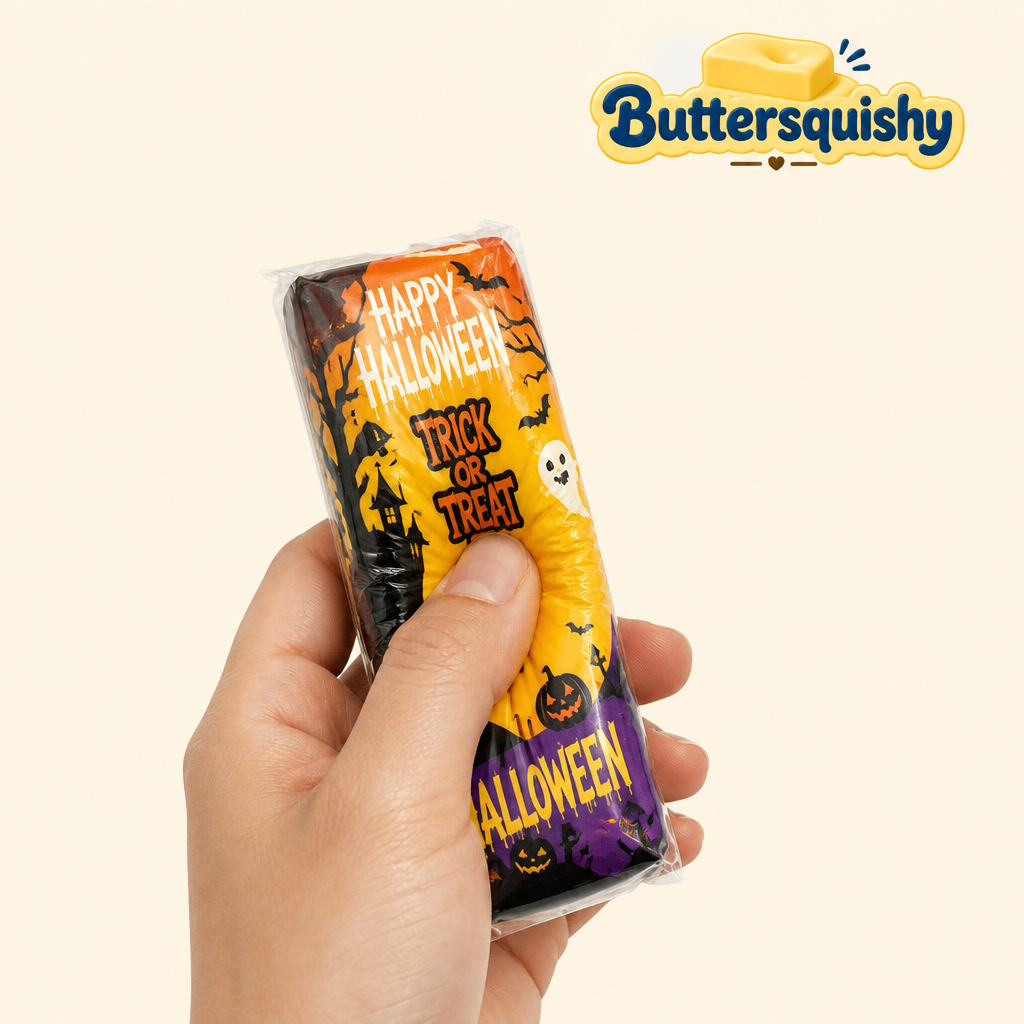 Halloween Ghost Butter 12-Pack
 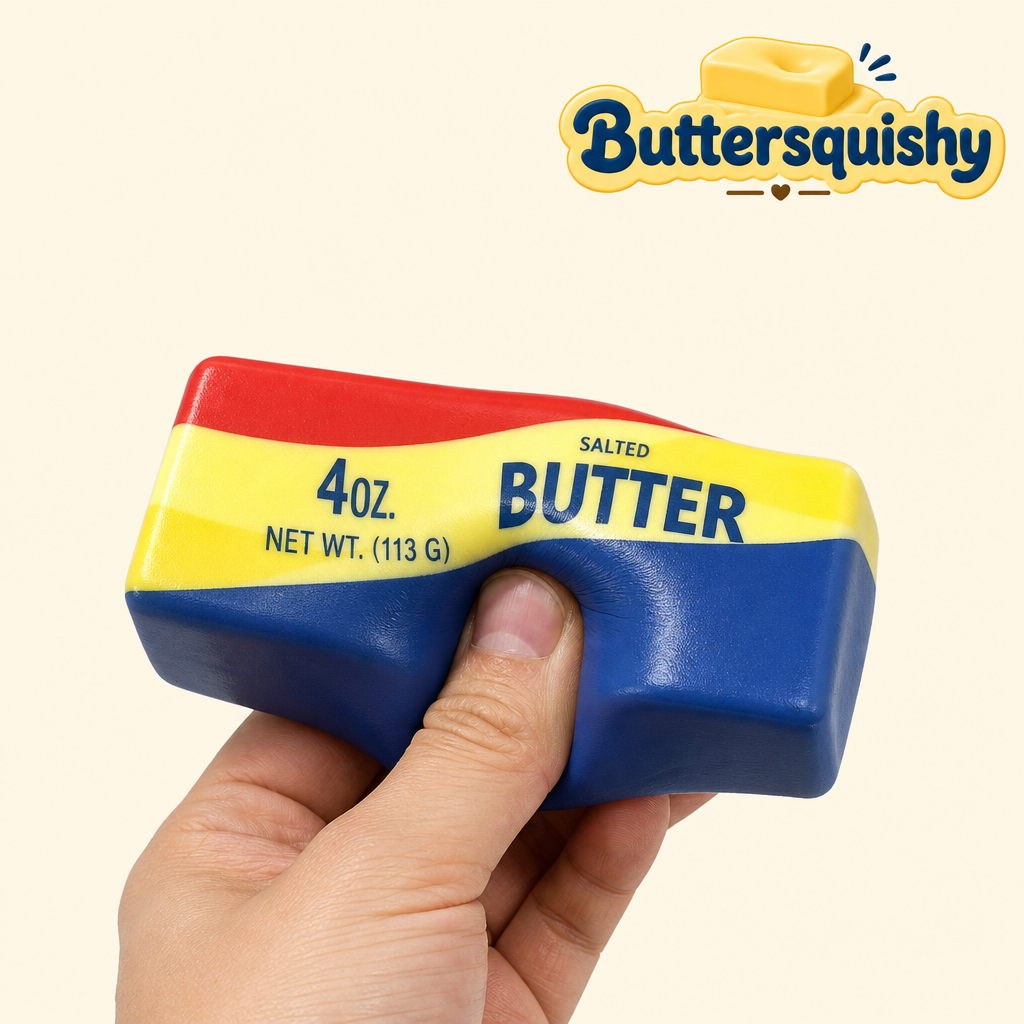 Rainbow Stripe Butter
 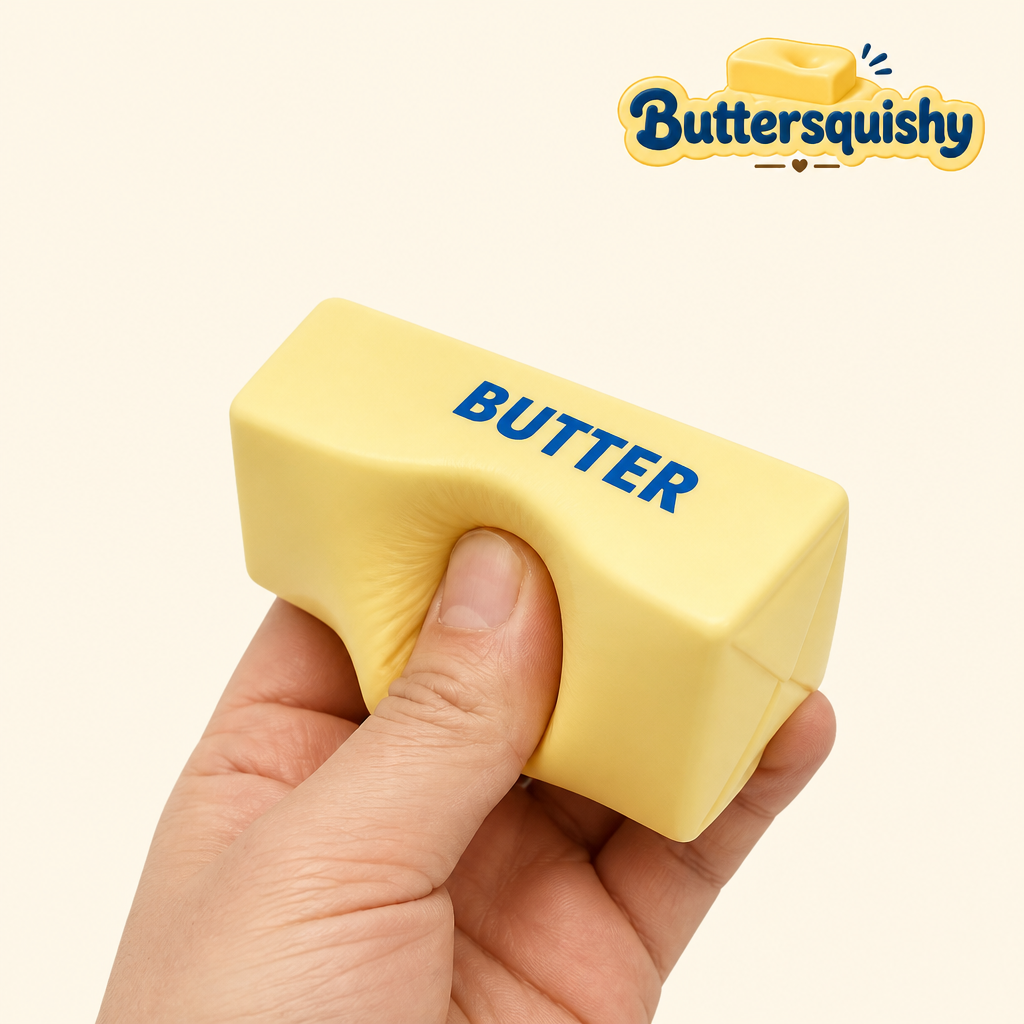 Chocolate Berry Butter 3-Pack
 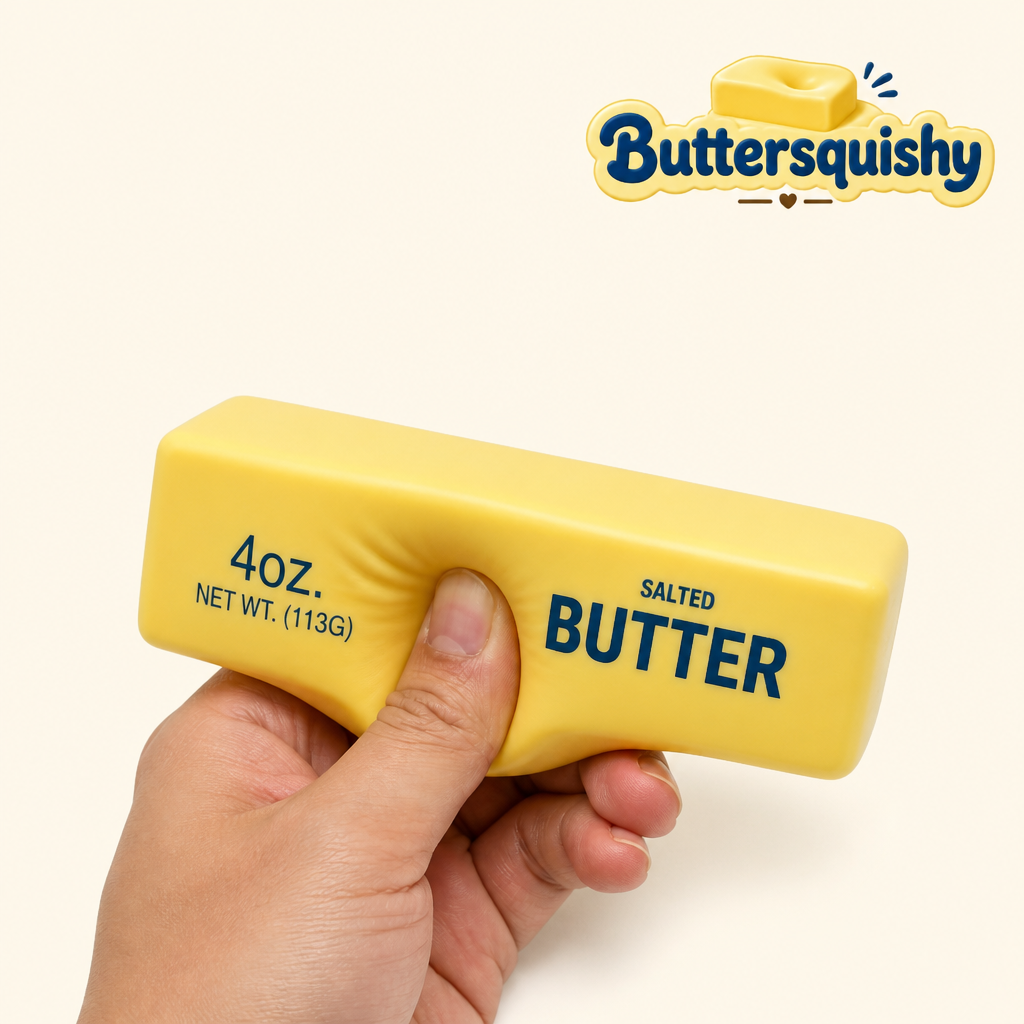 Strawberry Chocolate Butter 4-Pack
 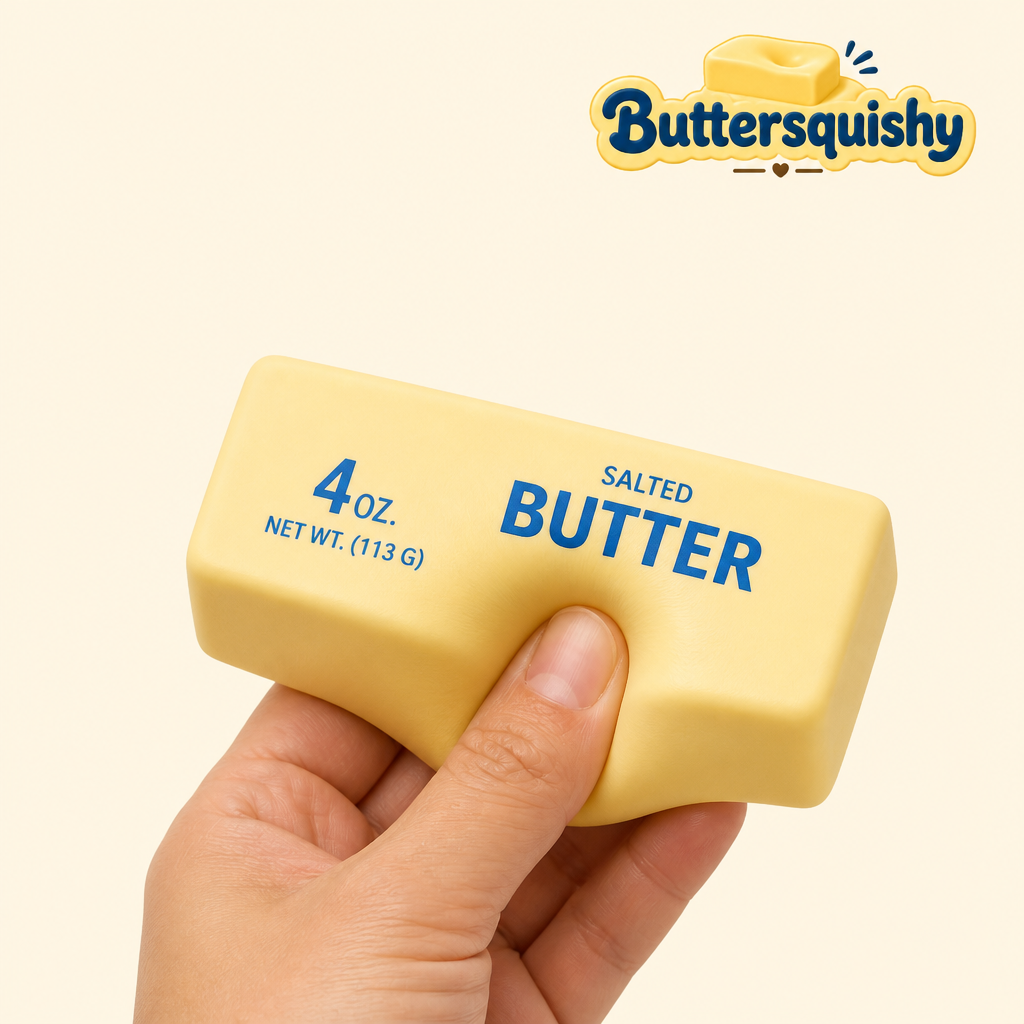 Sunset Trio Butter 3-Pack
 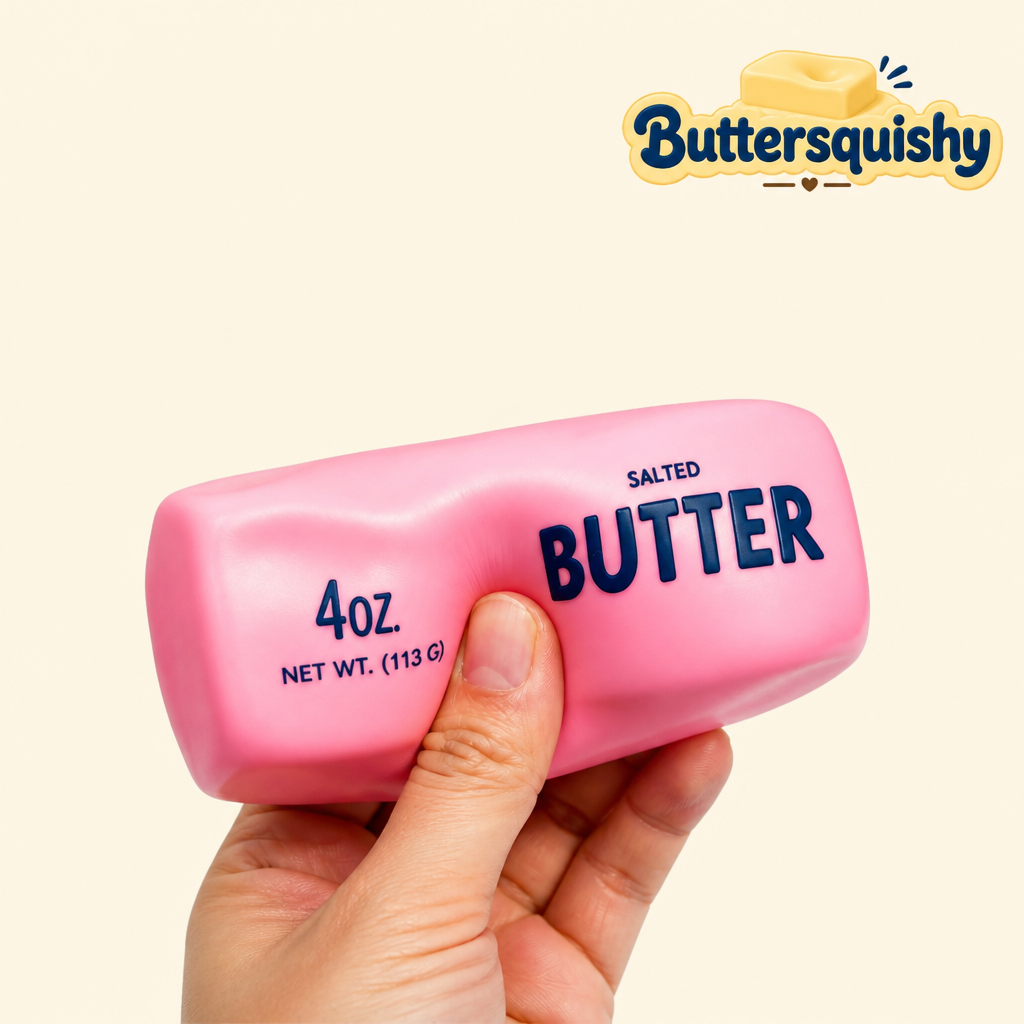 Pink Orange Crunch Butter 2-Pack
 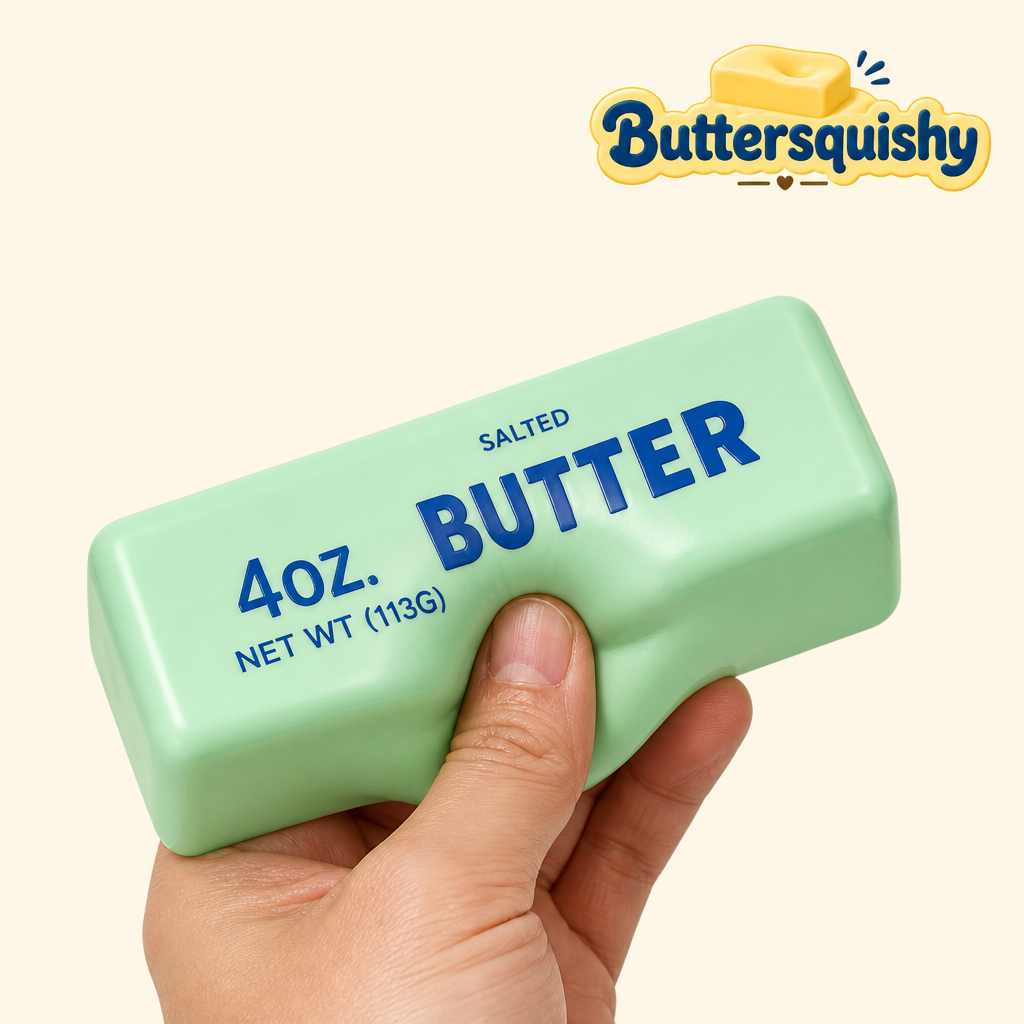 Mint Berry Crunch Butter 2-Pack