

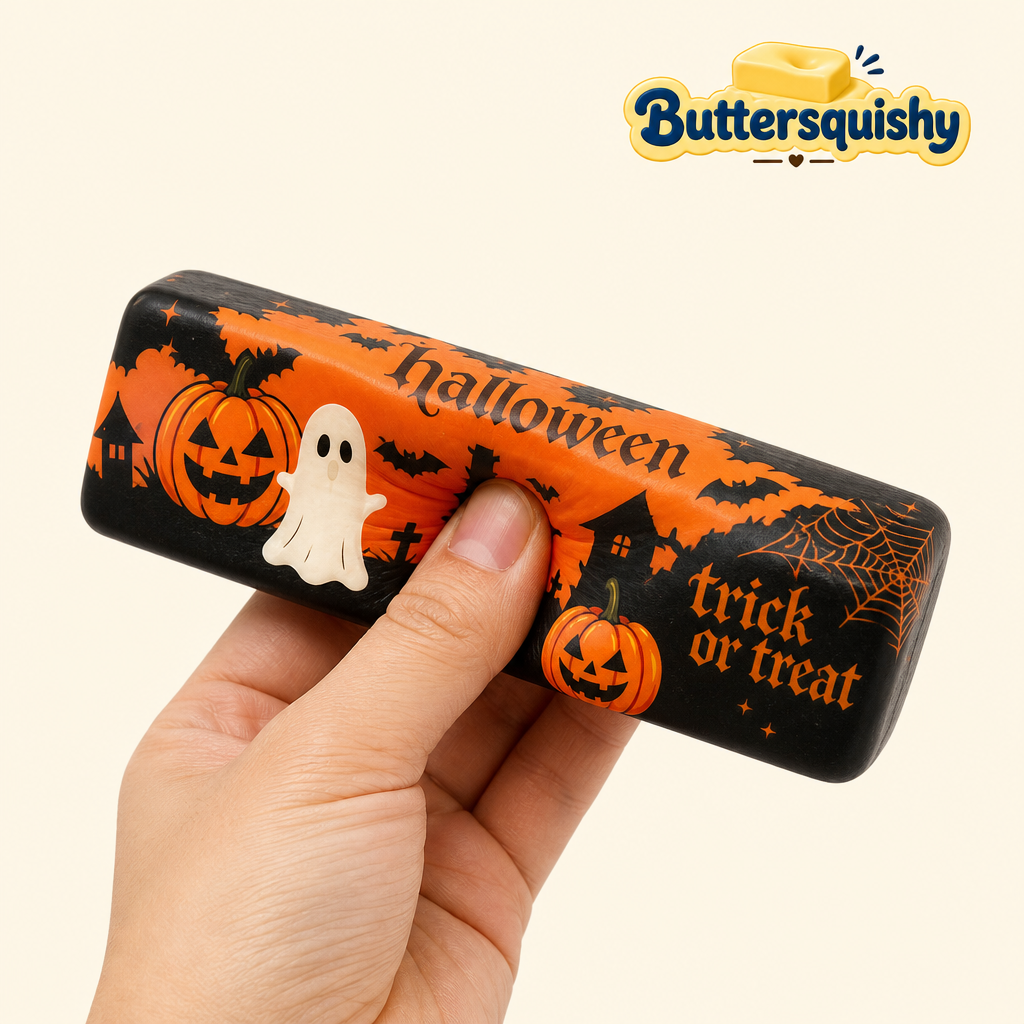
 Halloween Ghost Butter 3-Pack
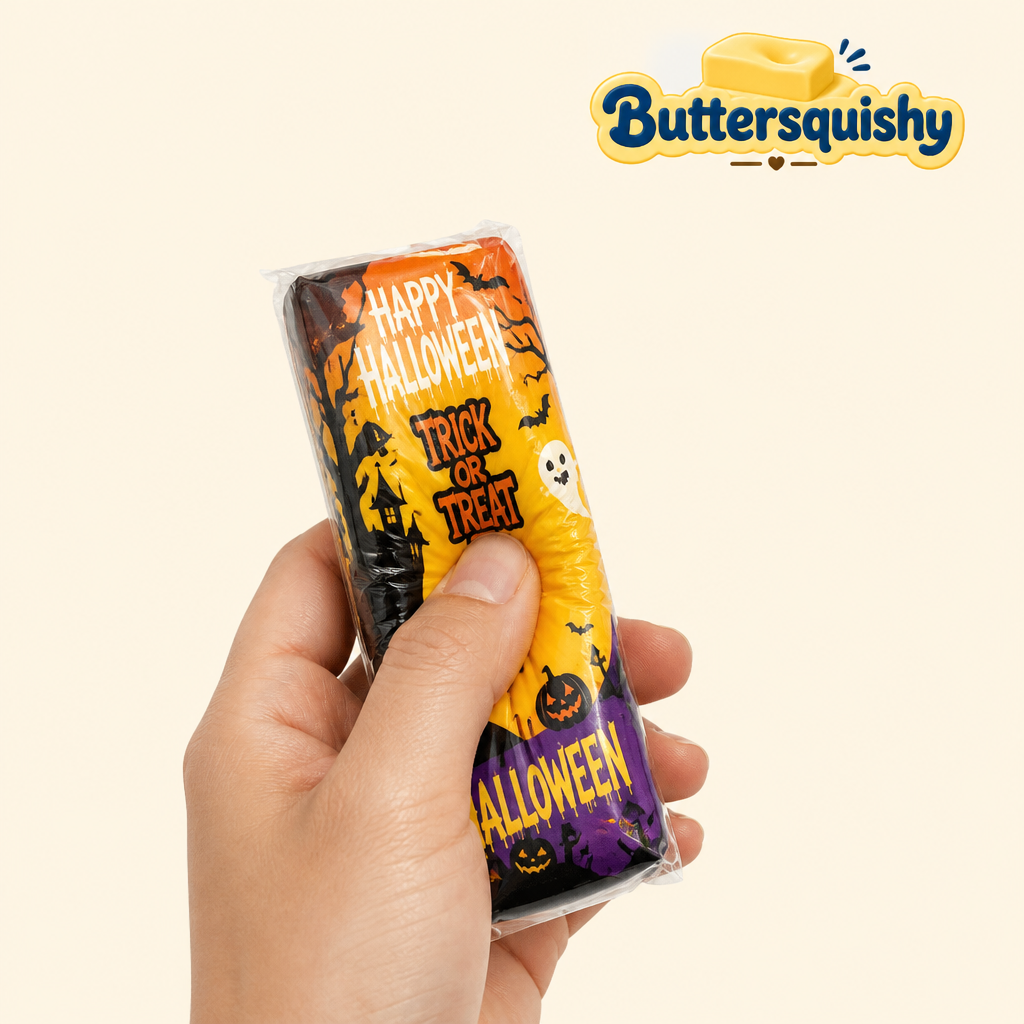 Halloween Ghost Butter 12-Pack
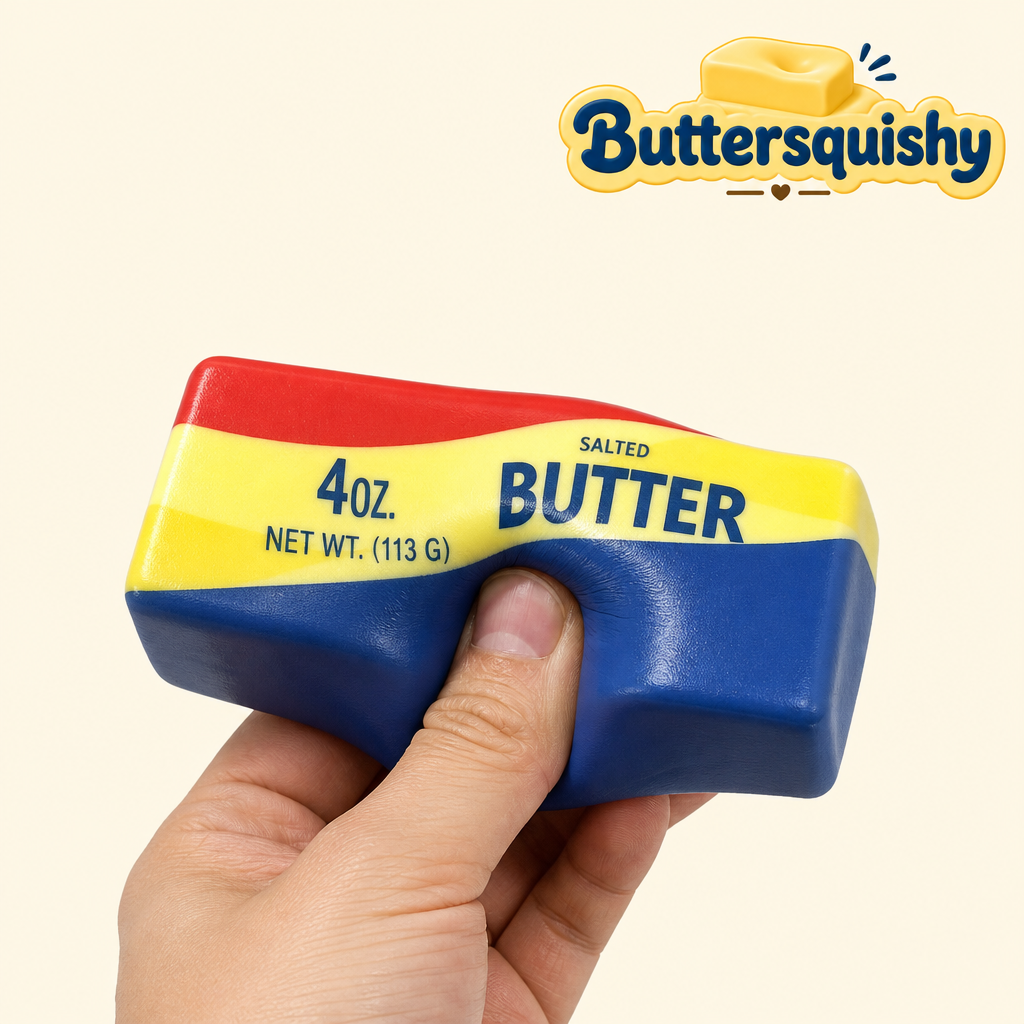 Rainbow Stripe Butter
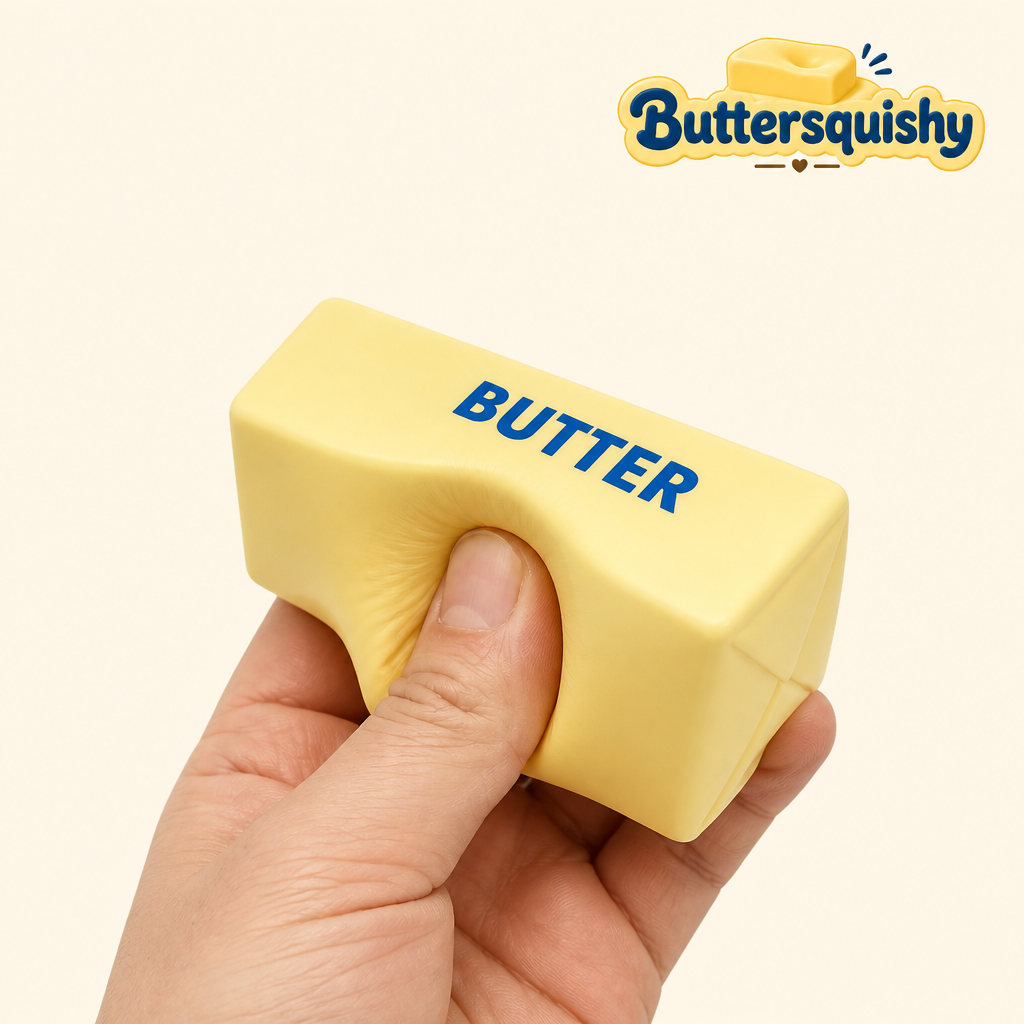 Chocolate Berry Butter 3-Pack
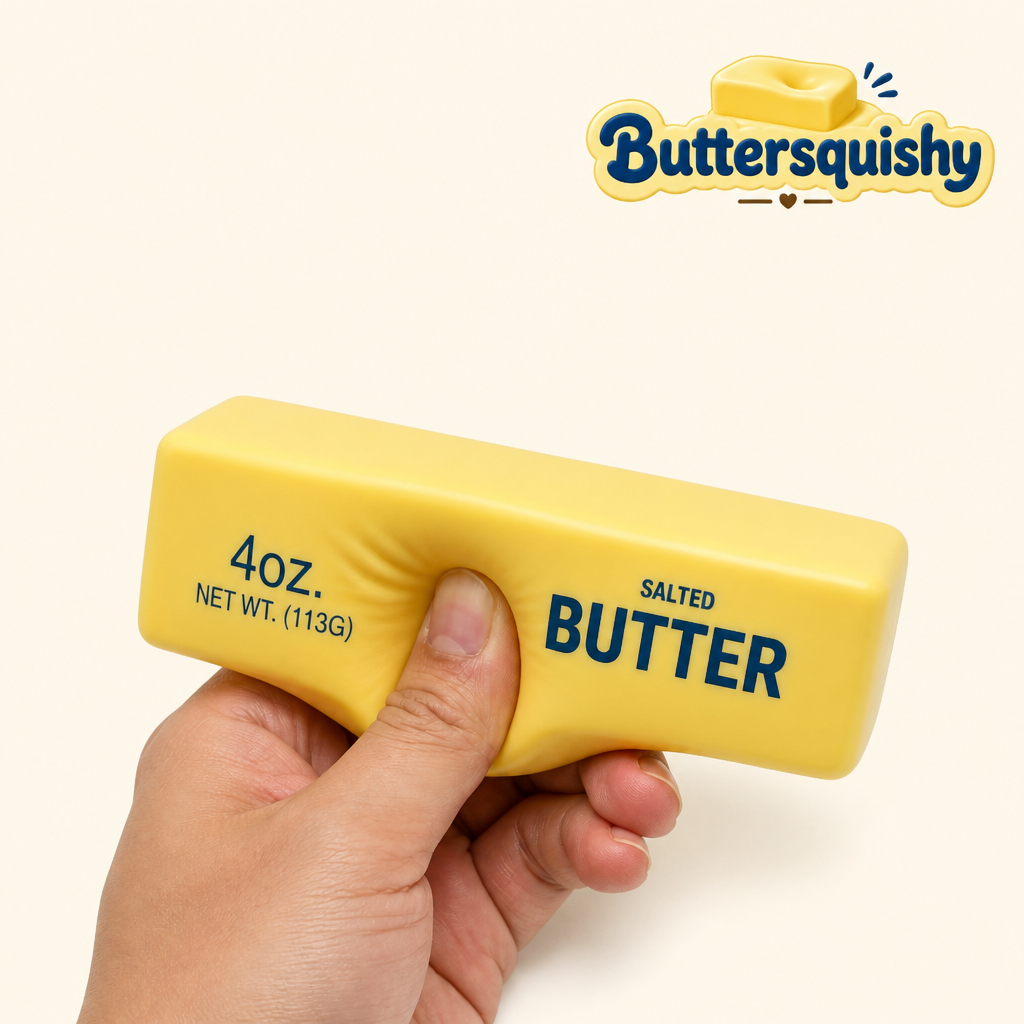 Strawberry Chocolate Butter 4-Pack
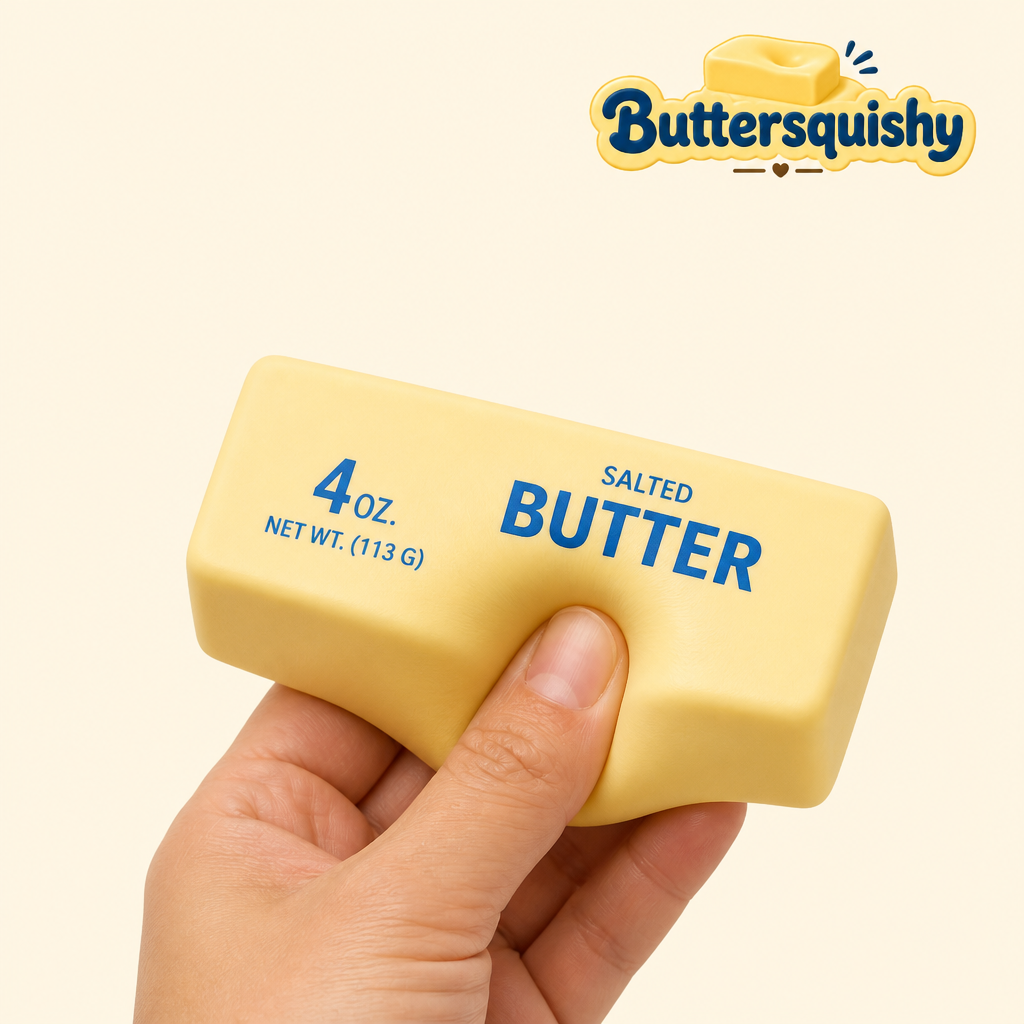 Sunset Trio Butter 3-Pack
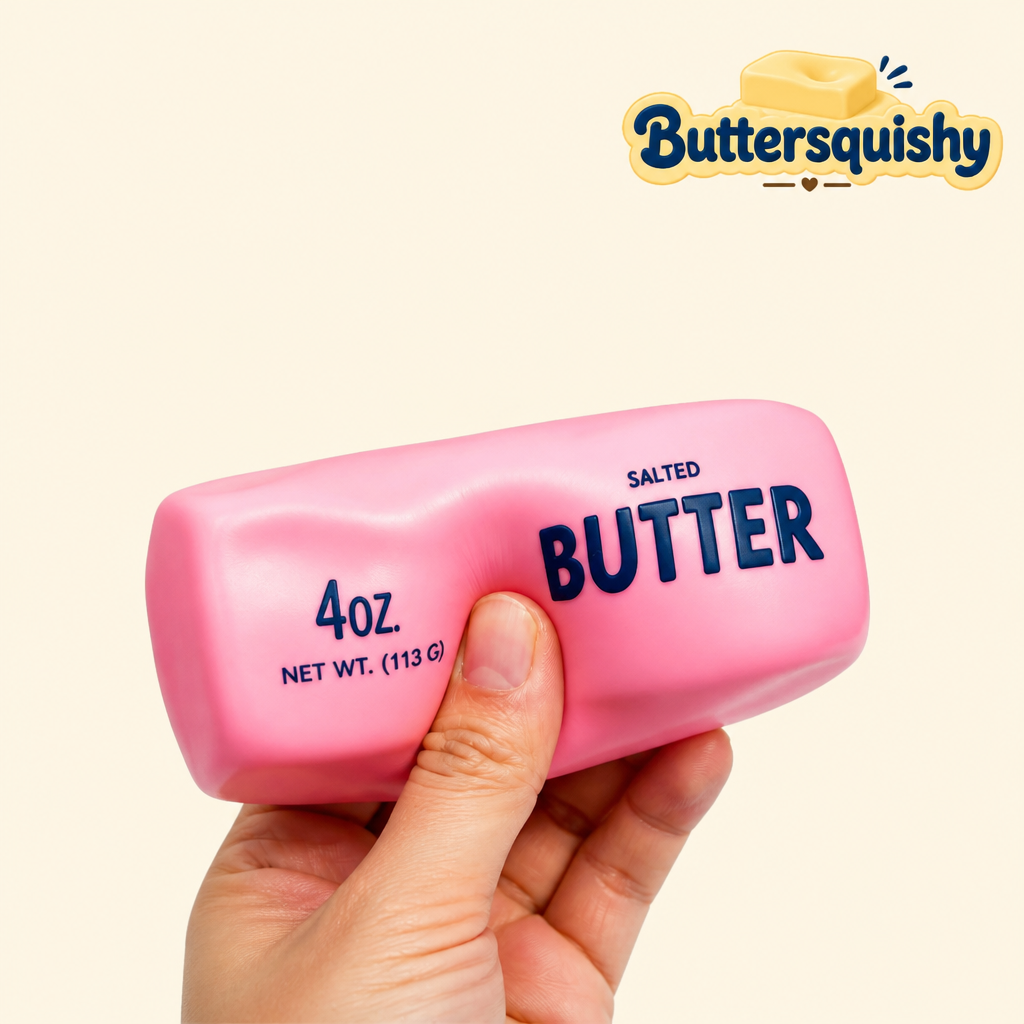 Pink Orange Crunch Butter 2-Pack
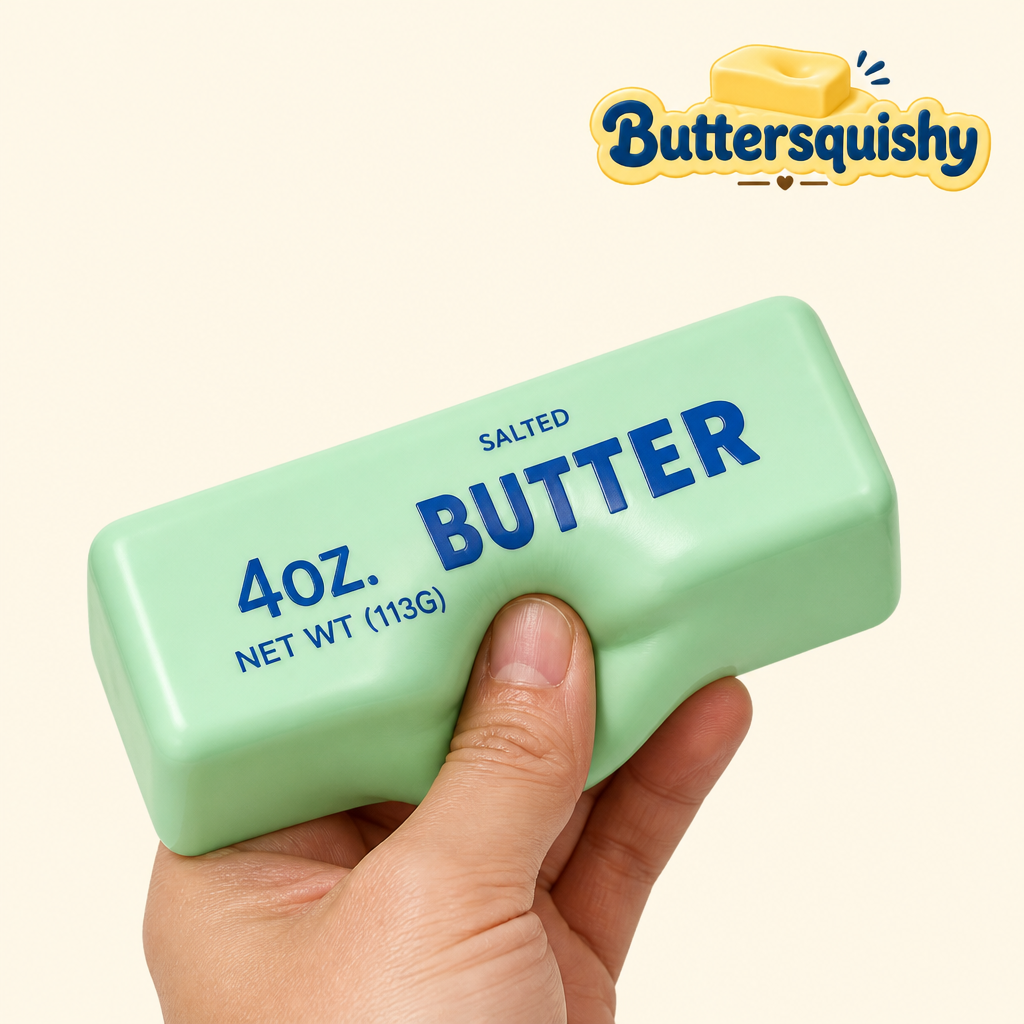 Mint Berry Crunch Butter 2-Pack
Desk Stress Balls Without Keyboard Leaks: Library Test & Jumbo Loaf Specs
The best desk stress balls for shared offices pass the Library Test by staying silent during every squeeze. They also skip liquid-filled shells that can rupture over a keyboard, and they pair each squeeze with a wide finger-opening release. For a heavier, slow-rise desktop option, Buttersquishy lists the Jumbo Swirl Loaf 14oz at $15.99 USD and 397 g (14 oz) with a 3-second catalog rise index.
Choosing a workday squeeze toy seems simple until a click interrupts a call. Worse yet, a gel ball can split open across a desk mat. Therefore, this guide covers office noise tests, gel rupture risks, safe hand-release habits, and verified Jumbo Swirl Loaf 14oz specs.
What Makes Desk Stress Balls Quiet Enough for Shared Offices and Calls?
Silent desk stress balls give you tactile pressure without clicking, snapping, or scraping against a desktop. Because noise disrupts coworkers, office fidget reviewers treat silence as the top filter. According to NeuroHacks Lab, silence is the most critical feature of a fidget tool, a benchmark they call the Library Test.
In practice, passing the Library Test rules out hard plastic clickers and spinning bearings. It also eliminates loose bead toys that rattle near a laptop microphone. By contrast, a soft slow-rise foam loaf or solid squeeze ball compresses without colliding parts.
According to WPsychService, adult desktop fidget toys can be judged on four criteria: enjoyment, quality, subtlety, and noise. For example, their scoring table rated the MindPanda Stress Ball at 34.5/40 for creative desktop squishing. They noted it stays silent, though scented versions exist. Because strong fragrances can bother nearby coworkers, check both sound and scent before bringing a toy to an open office.
Desk holders also affect noise more than shoppers expect. Dropping a toy onto bare glass or laminate makes a dull thud during a meeting. Instead, park your squeeze toy on a cloth mouse pad, felt coaster, or its paperboard box. That simple pad keeps pick-up and set-down sounds muted.
Why Do Gel-Filled Desk Stress Balls Rupture During Work?
Gel-filled and liquid-filled desk stress balls rupture when repeated squeezing stresses thin outer membranes until a seam gives way. For instance, one poster in a r/Wellthatsucks thread described a stress ball bursting mid-call. Sticky gel beads and mystery fluid sprayed across their workspace.
As a result, a commenter in that same discussion switched to a solid rubber egg-shaped hand trainer after repeated ruptures. In practice, fingernails, sharp desk corners, and constant thumb pinching weaken thin gel skins over time. Consequently, people who keep a squeeze toy beside a laptop often prefer solid foam or solid rubber designs.
Still, no squeeze toy is indestructible or guaranteed never to tear. Even a solid slow-rise butter squishy can wear down if sharp nails dig into its surface. Therefore, inspect the outer skin once a week. Keep staples, scissors, and pen tips out of your desk tray so the toy lasts longer.
How Should You Squeeze and Position Desk Stress Balls Safely?
Safe desk squeezing pairs a controlled fist grip with a wide finger-opening release, and you should stop immediately if pain occurs. According to Flint Rehab, hand therapy ball guidance recommends squeezing with your fingers and thumb like making a fist. Next, release the ball fully by opening your fingers as wide as you can.
Flint Rehab also notes that you can repeat those movements a couple of times daily if they cause no pain. In practice, opening your fingers wide between squeezes helps prevent forearm tightness during long email sessions. Keep in mind that a novelty butter squishy is a non-food squeeze toy, not a medical hand-therapy device. Anyone recovering from a hand injury should follow a clinician’s plan.
Equally important, keep your squeeze toy out from under your wrists while typing. For example, one commenter in a r/lifehacks discussion warned that wrist rests are bad for ergonomics 99% of the time. Instead, commenters stressed keeping your arm and wrist straight through proper chair and desk height. Angling your wrist over a soft pad does not fix wrist pain.
How Does Jumbo Swirl Loaf 14oz Compare for Desktop Use?
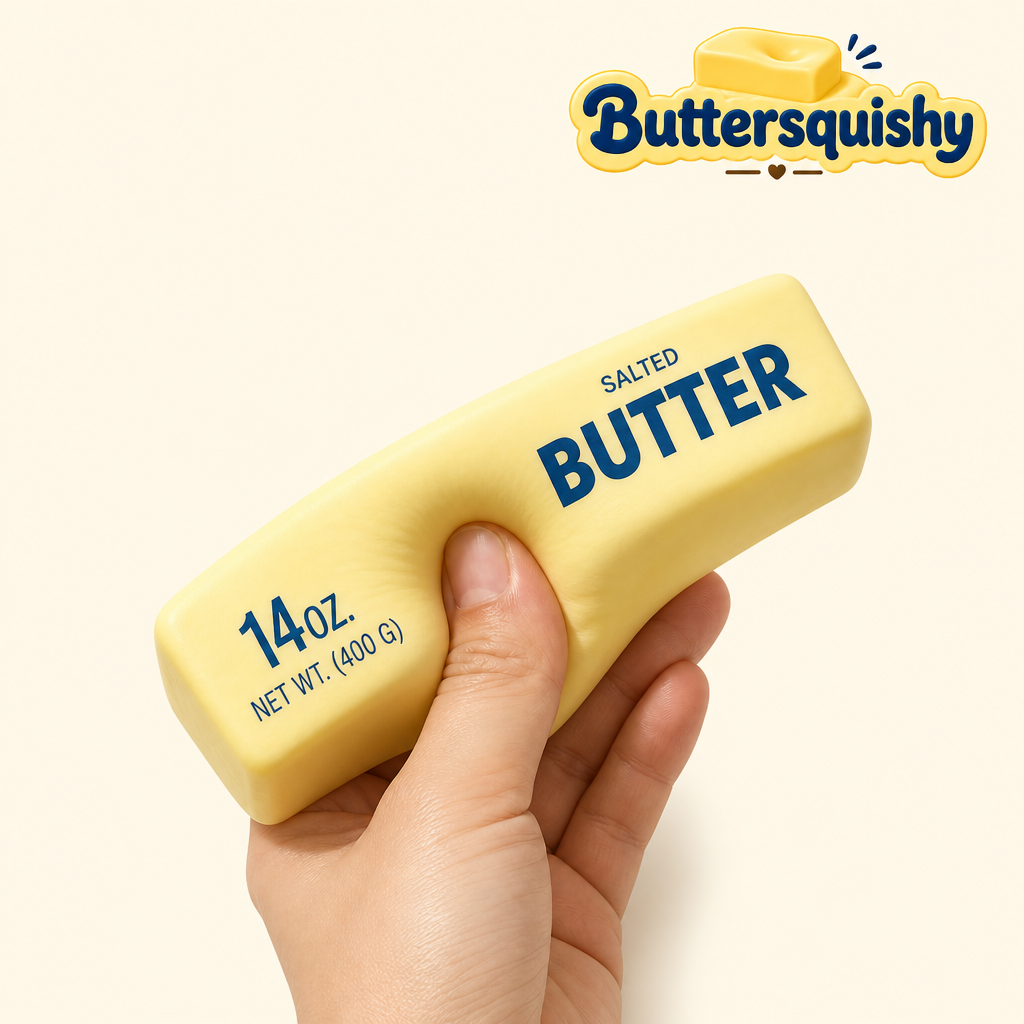
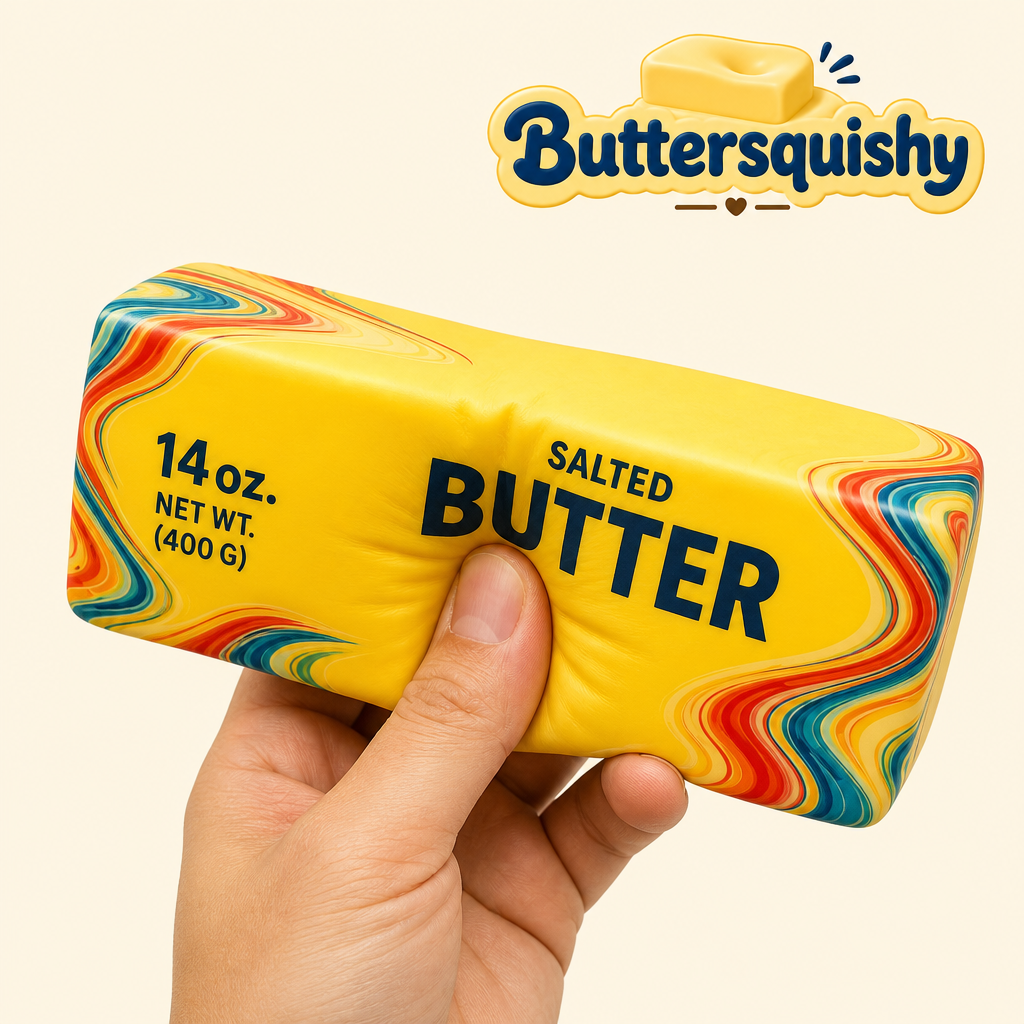
Jumbo Swirl Loaf 14oz is a heavier, slow-rise desktop butter squishy listed by Buttersquishy at $15.99 USD and 397 g (14 oz) with a 3-second catalog rise index. For example, that 397 g weight keeps the rectangular loaf planted beside a monitor instead of rolling off your desk like a light round ball. Review the verified catalog facts and category trade-offs below to match the format to your workspace.
| Option Type | Listed Weight / Price | Rebound & Noise Profile | Mess & Care Trade-Off |
|---|---|---|---|
| Jumbo Swirl Loaf 14oz (Buttersquishy) | 397 g (14 oz) at $15.99 USD | Slow-rise soft butter feel; 3-second catalog rise index; no clicking parts | Non-food squeeze toy; wipe with a damp cloth and air-dry away from heat |
| Gel- or liquid-filled stress ball | Varies by brand | Soft squish, silent until stressed | Can rupture during desk use and spray gel or fluid, as reported on Reddit |
| Solid rubber hand trainer | Varies by brand | Firm, immediate rebound; silent | Solid core avoids liquid leaks; built for grip resistance rather than slow rise |
In practice, Buttersquishy describes Jumbo Swirl Loaf 14oz as a slow-rise, soft butter squishy designed to squeeze and watch rebound. That steady pace fits deliberate hand breaks during long meetings. However, it remains a non-food squeeze toy rather than an ergonomic wrist rest or medical tool.
To clean the surface on a busy desk, wipe it with a slightly damp cloth. Then let it air-dry away from direct heat or soaking. If you want to compare other weights and slow-rise shapes, browse the full Shop catalog.
Quick Desk Setup Checklist for Quiet Squeeze Breaks
Use this five-step checklist to build a quiet, clean squeeze routine at your workstation:
- Run the Library Test before a live call by squeezing the toy near your headset microphone to check for clicks.
- Rest the toy on a cloth mouse pad, felt coaster, or paperboard box so setting it down makes no desk thud.
- Keep sharp objects, staples, and fingernails away from the surface to lower tear risk.
- Follow each firm squeeze with a wide finger-opening release, and stop right away if you feel discomfort.
- Park the squishy beside your monitor instead of under your wrists while typing so your forearms stay straight.
Frequently Asked Questions
How do you stop a squeeze toy from thudding on glass or laminate?
Place the toy on a soft landing pad whenever you are not holding it. For example, a cloth mouse pad, felt coaster, or the toy’s own paperboard box absorbs contact noise on glass or laminate desks. Choosing a rectangular loaf shape instead of a round ball also stops it from rolling into your keyboard.
What helps a solid squeeze toy last longer on a busy desk?
Skip liquid-filled and gel-bead shells to prevent a messy desk blowout during a live call. In practice, workers who dealt with gel leaks often switched to solid rubber trainers or solid slow-rise foam toys. Trimming sharp nails and storing the toy away from scissors also helps prevent surface tears.
Should you use a desk stress ball or squishy as a keyboard wrist rest?
No, do not prop your wrists on a squishy while typing. Ergonomics commenters on Reddit point out that bending your wrists over a soft pad can worsen strain rather than relieve it. Instead, adjust your chair and desk height so your forearms stay straight, and save the toy for brief hand breaks.