

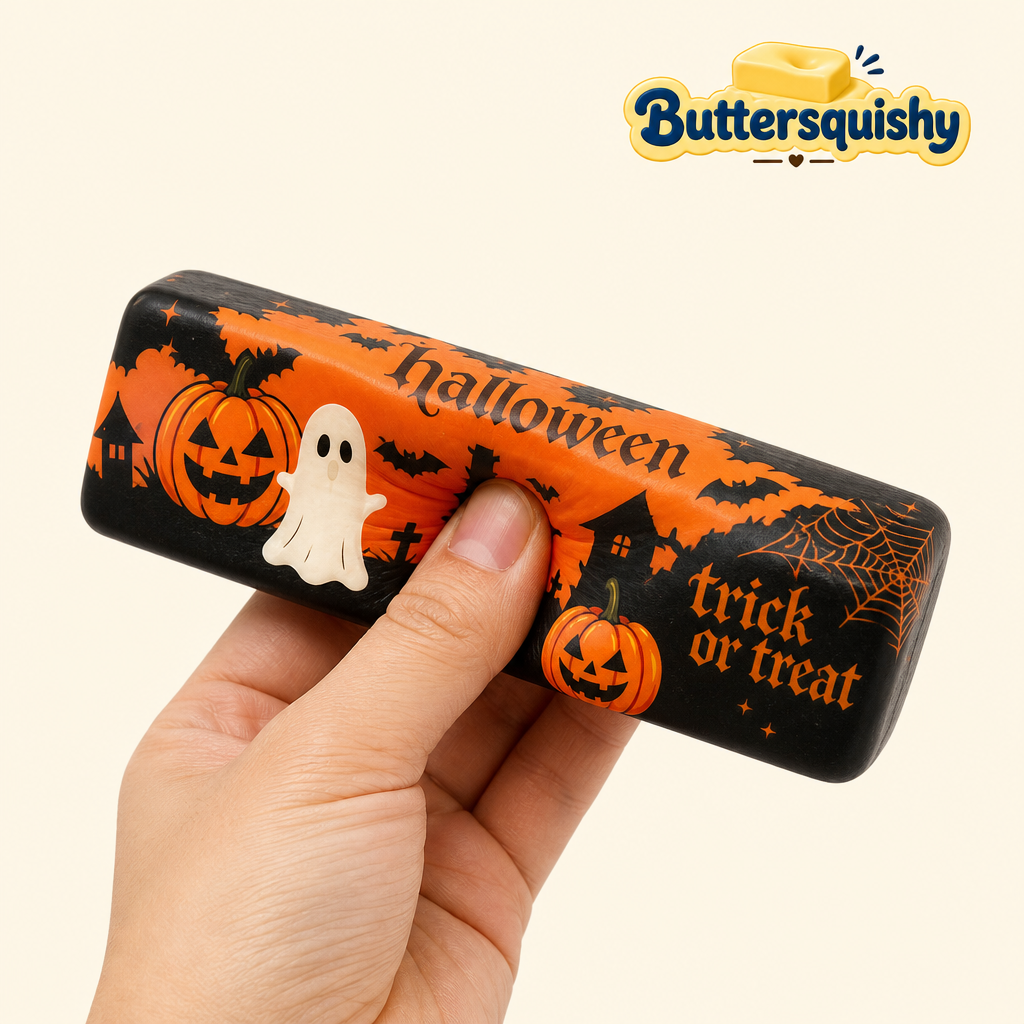
 Halloween Ghost Butter 3-Pack
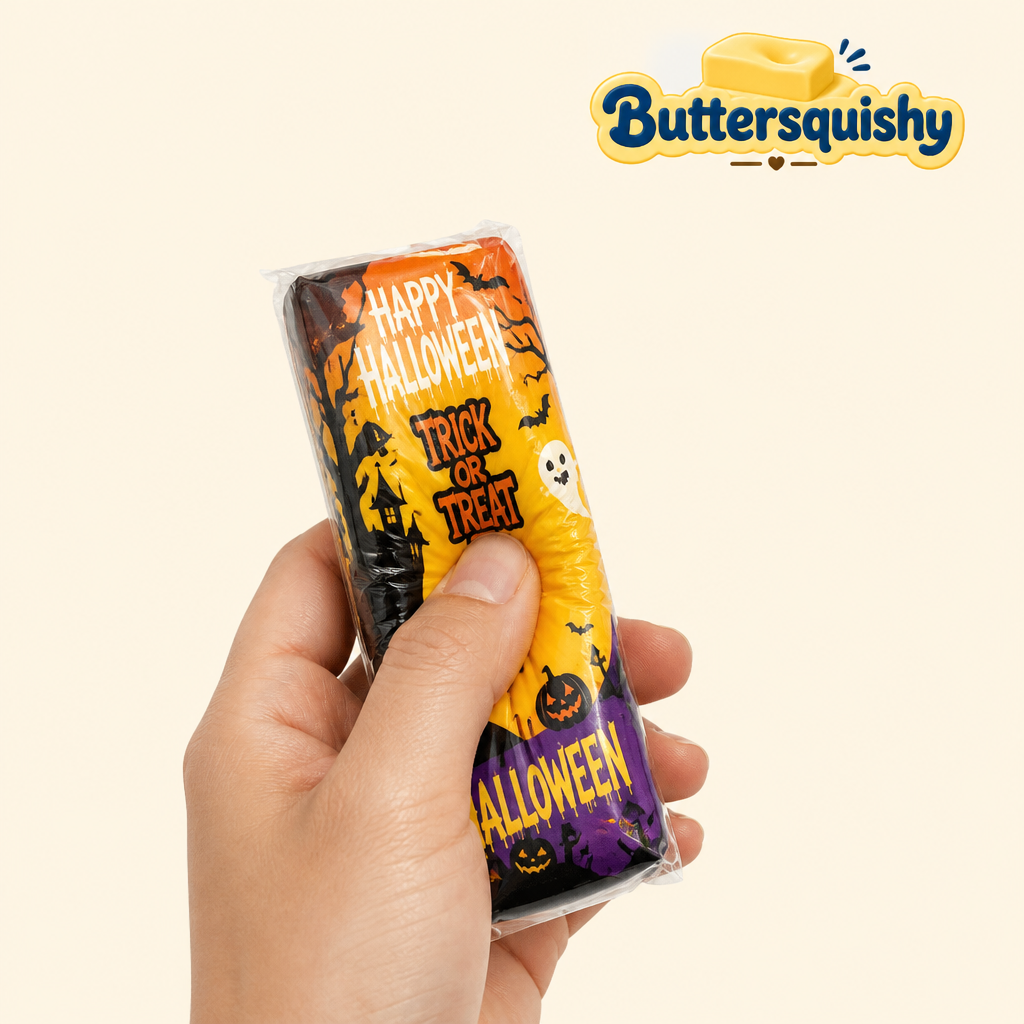 Halloween Ghost Butter 12-Pack
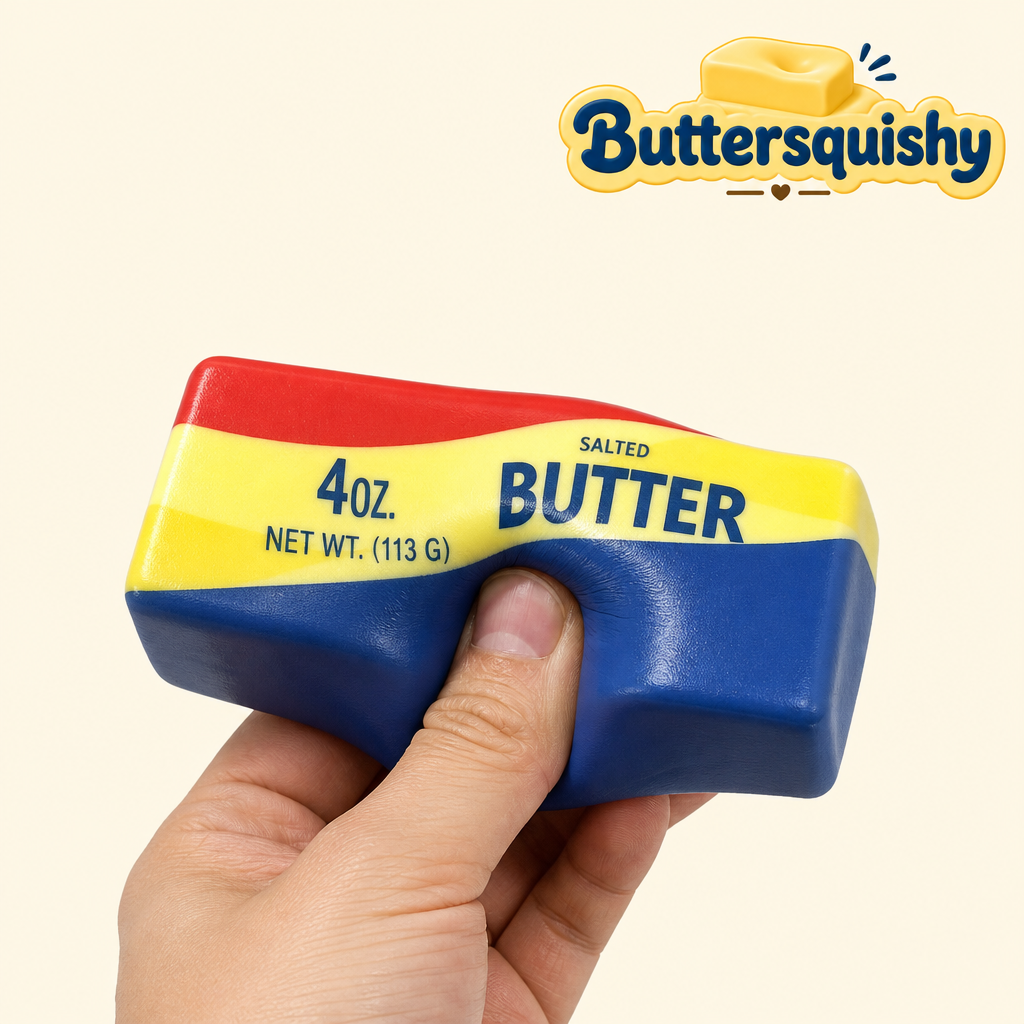 Rainbow Stripe Butter
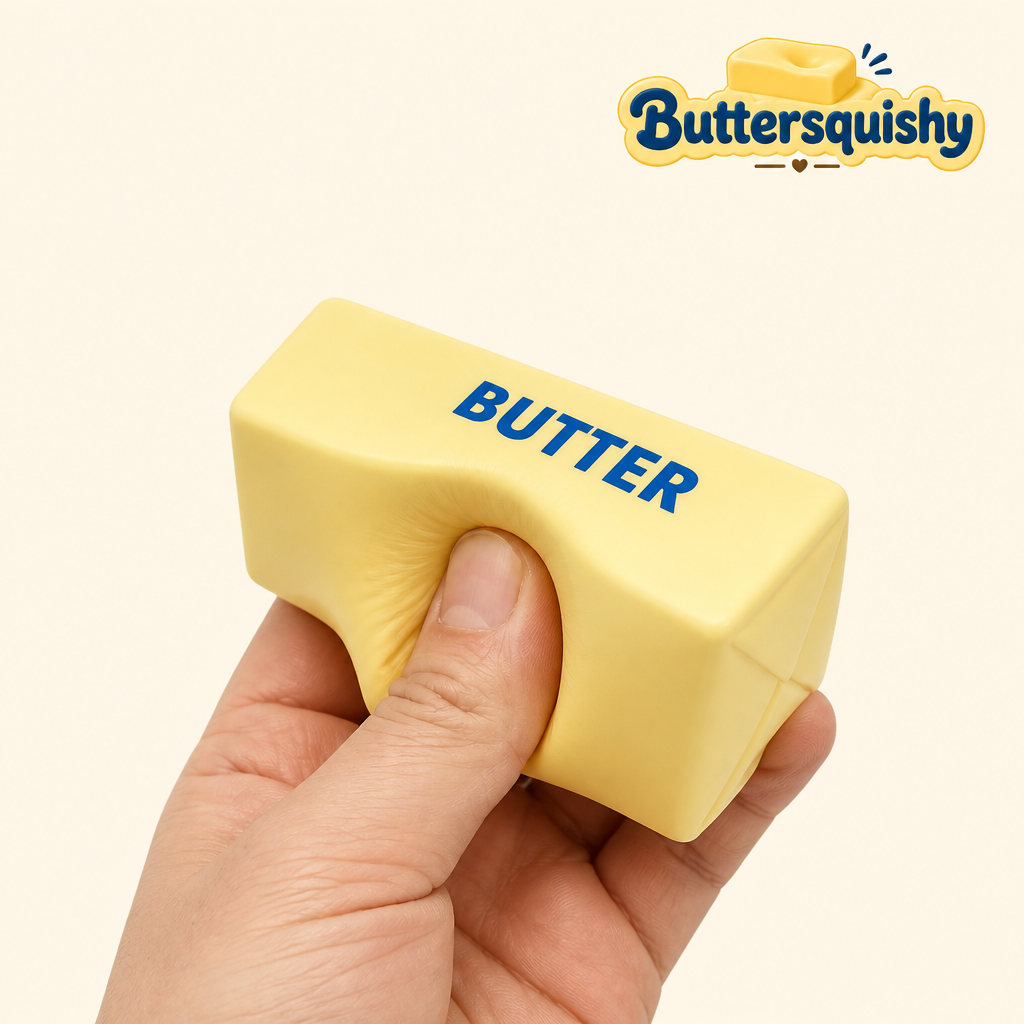 Chocolate Berry Butter 3-Pack
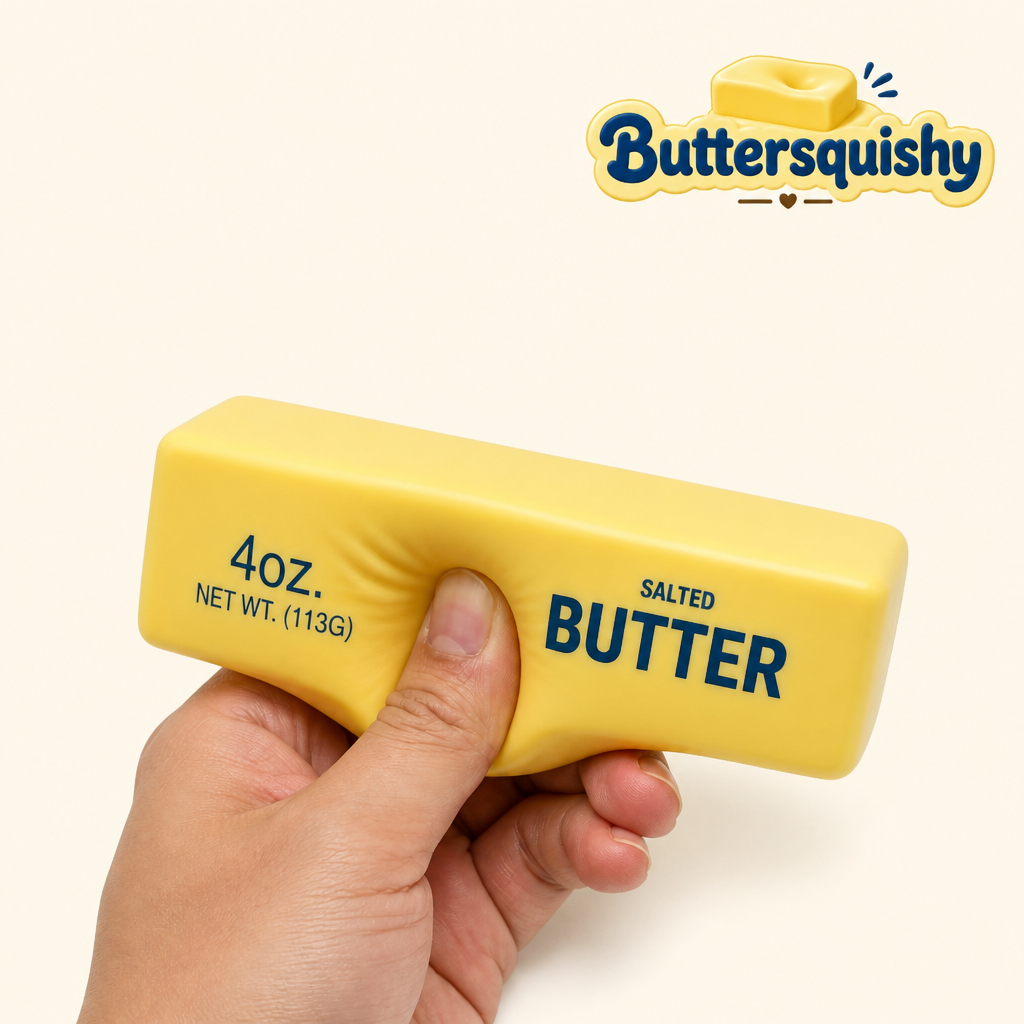 Strawberry Chocolate Butter 4-Pack
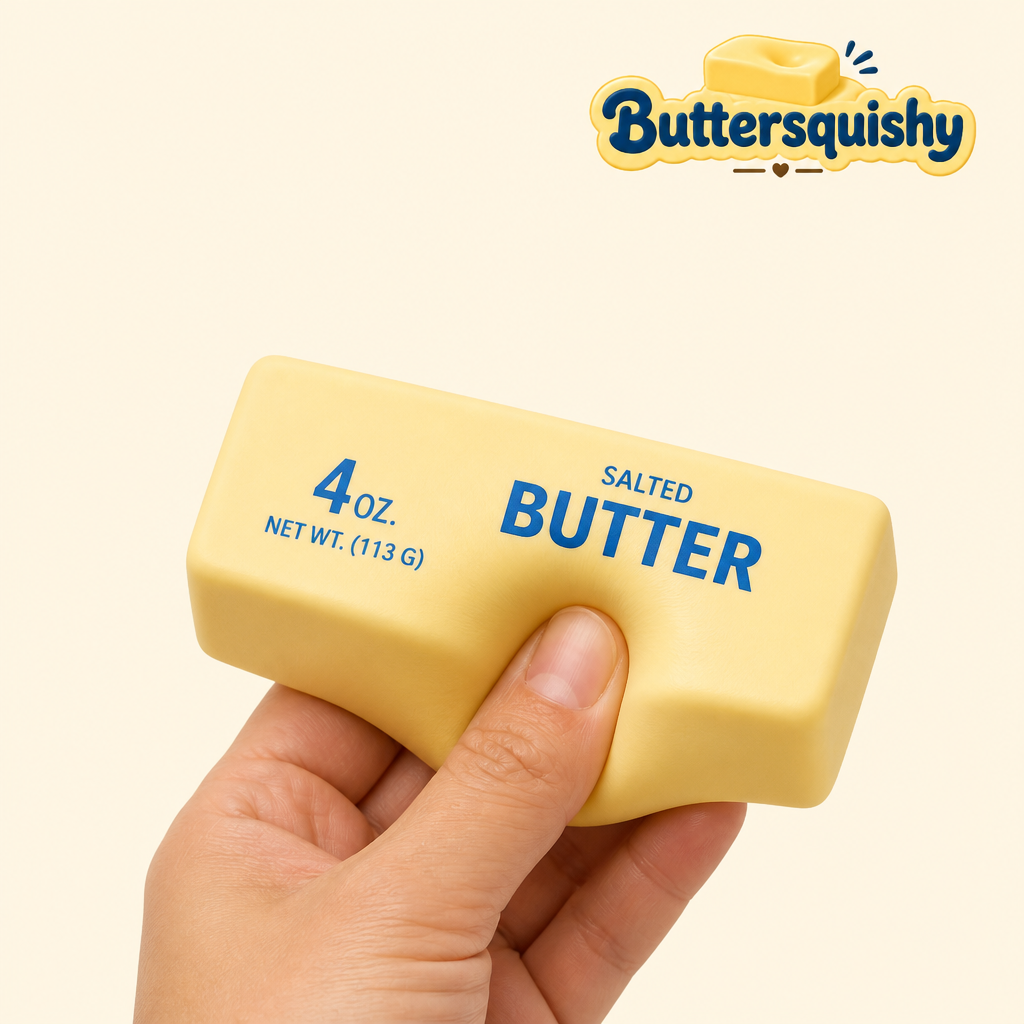 Sunset Trio Butter 3-Pack
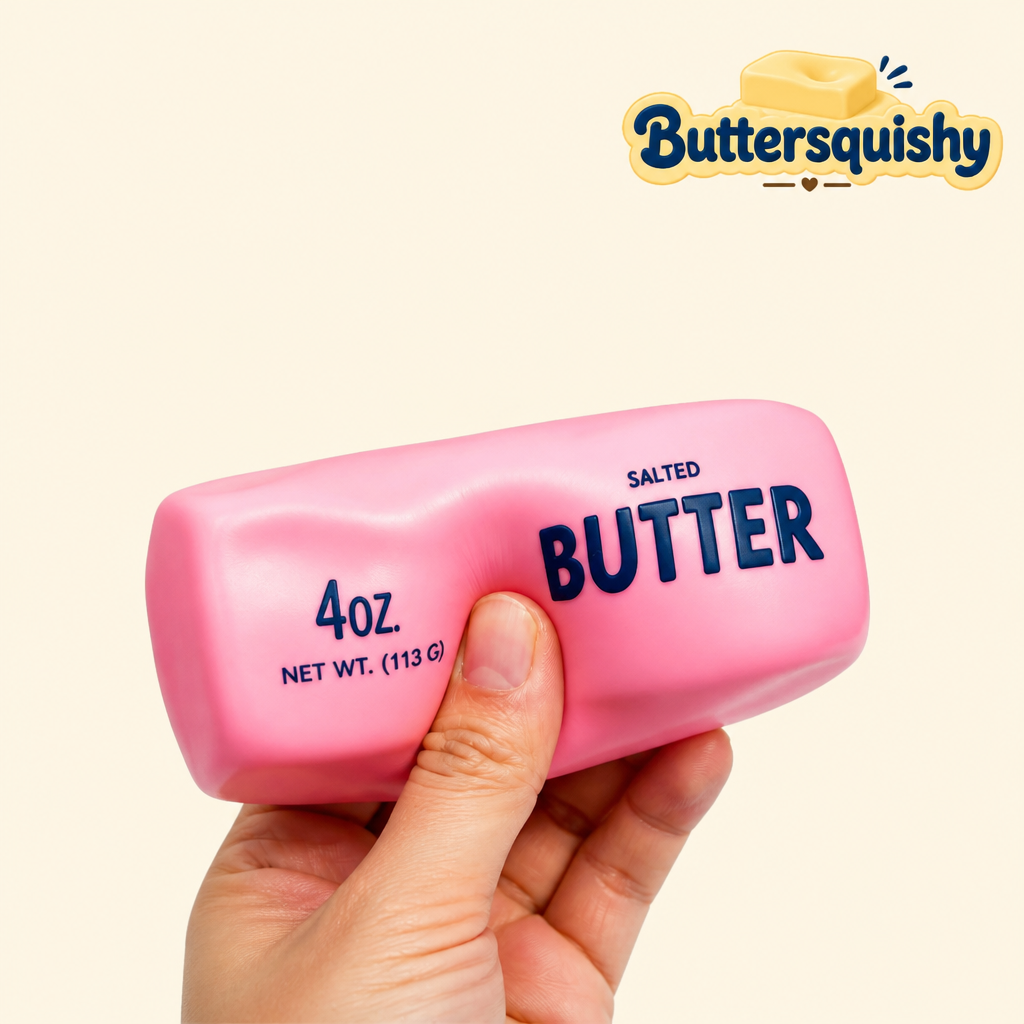 Pink Orange Crunch Butter 2-Pack
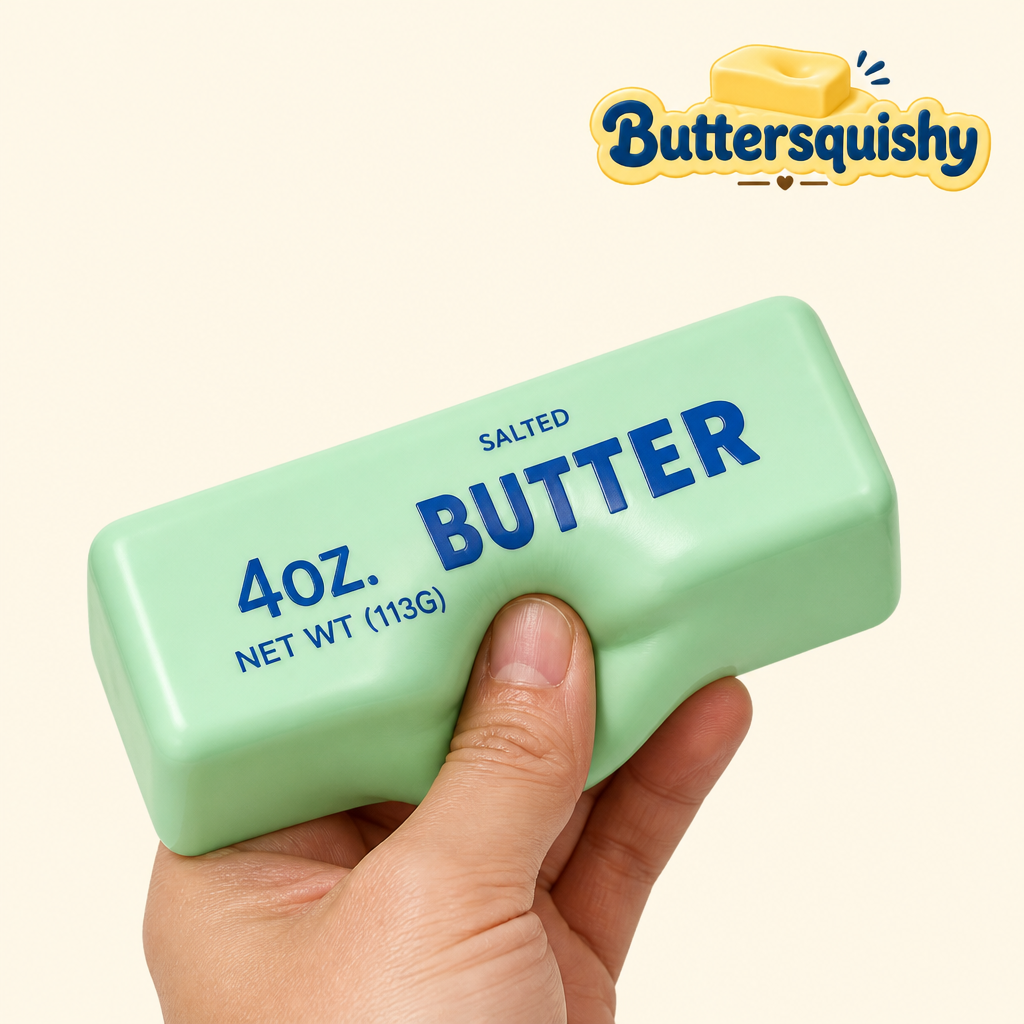 Mint Berry Crunch Butter 2-Pack
Mochi Stress Ball: Comparing Squeeze Feel, Sizing, and Desk Durability
A mochi stress ball feels different depending on its core. Gel-filled balls give cool, firm push-back with a fast bounce, while stretchy thermoplastic rubber (TPR) toys snap back right away and rinse clean under tap water. Slow-rise polyurethane (PU) foam squishies, such as the Splash Marble Butter 3-Pack ($12.15 USD), compress deep and rebound without liquid fill. Choosing the right desk toy means matching rebound speed, leak risk, sizing, and care habits.
What Is a Mochi Stress Ball and How Do Squeeze Materials Compare?
A mochi stress ball is a soft squeeze toy shaped like a round Japanese rice cake, yet retailers sell four distinct cores under that label. According to KingSquishy’s fidget material guide, slow-rise PU foam creates an ultra-soft 3-to-5-second rise. By contrast, TPR delivers an elastic, springy rebound. Meanwhile, Bibisquishy’s material overview notes that gel-filled balls stay cool to the touch and push back firmly instead of rising back over seconds. Some heavy squeezers skip bounce altogether and choose firm therapy putty.
Each material suits a specific desk fidget habit. For example, slow-rise PU foam lets your thumb sink deep and watch the surface return over 3 to 5 seconds. Gel cores work better when you want stiff resistance against your palm. Because TPR stretches under tension, a rubber mochi handles pulling and pinching well. In practice, checking the base material first keeps you from ordering a firm gel orb when you wanted plush foam.
| Material Type | Squeeze Feel and Rebound | Leak or Tear Trade-Off | Cleaning Method |
|---|---|---|---|
| Slow-rise PU foam | Ultra-soft press with 3-to-5-second rebound | No liquid fill; painted artwork wears under hard pinching | Spot-clean with a damp cloth only |
| Stretchy TPR mochi | Elastic, bouncy squeeze with quick recovery | Latex-free rubber; lifespan varies by wall thickness | Washable with mild soap and water |
| Gel-filled stress ball | Cool touch with firm push-back and fast bounce | Outer skin can puncture and leak under heavy force | Wipe or rinse sealed outer shell |
| Firm therapy putty | Dense moldable resistance with zero spring-back | Resists splitting and leaks under hard gripping | Keep hands clean; store in tin |
Why Do Some Mochi Stress Balls Leak or Wear Out on a Desk?
Desk wear splits into two common problems: ruptured liquid shells and surface marks on foam or tacky rubber. According to Bibisquishy, gel-filled stress balls give firm push-back, yet their outer skin can puncture and leak. Sharp nails or intense gripping speed up that failure. Therefore, heavy squeezers often abandon liquid cores. In an r/fidgettoys thread asking for a durable stress ball, one commenter suggested firm therapy putty because it will not break, though it sacrifices bounce.
Solid TPR and PU foam remove leak risk, yet each ages differently. According to KingSquishy, TPR is latex-free and handles desk or backpack abuse better than foam. Still, durability shifts across factories depending on compound quality and wall thickness. In another r/fidgettoys discussion on durable mochi squishies, a buyer kept both inexpensive small mochi toys and a larger Jumbo Mocheez toy intact, though the sticky finish collected dust. Slow-rise PU foam skips that tacky coat, however aggressive pinching can wear painted graphics.
How Should You Judge Sizing, Wrapper Labels, and Household Safety?
Sizing shapes both palm comfort and choking safety around young kids. Under U.S. CPSC small parts guidance (16 C.F.R. part 1501), toys for children under 3 are banned if any piece fits uncompressed into the small parts cylinder. In addition, 16 C.F.R. § 1500.19 mandates choking hazard labels on older-child toys that contain small parts or small balls. Because pocket mochi toys roll off desks easily, larger palm-sized squishies fit family rooms better.
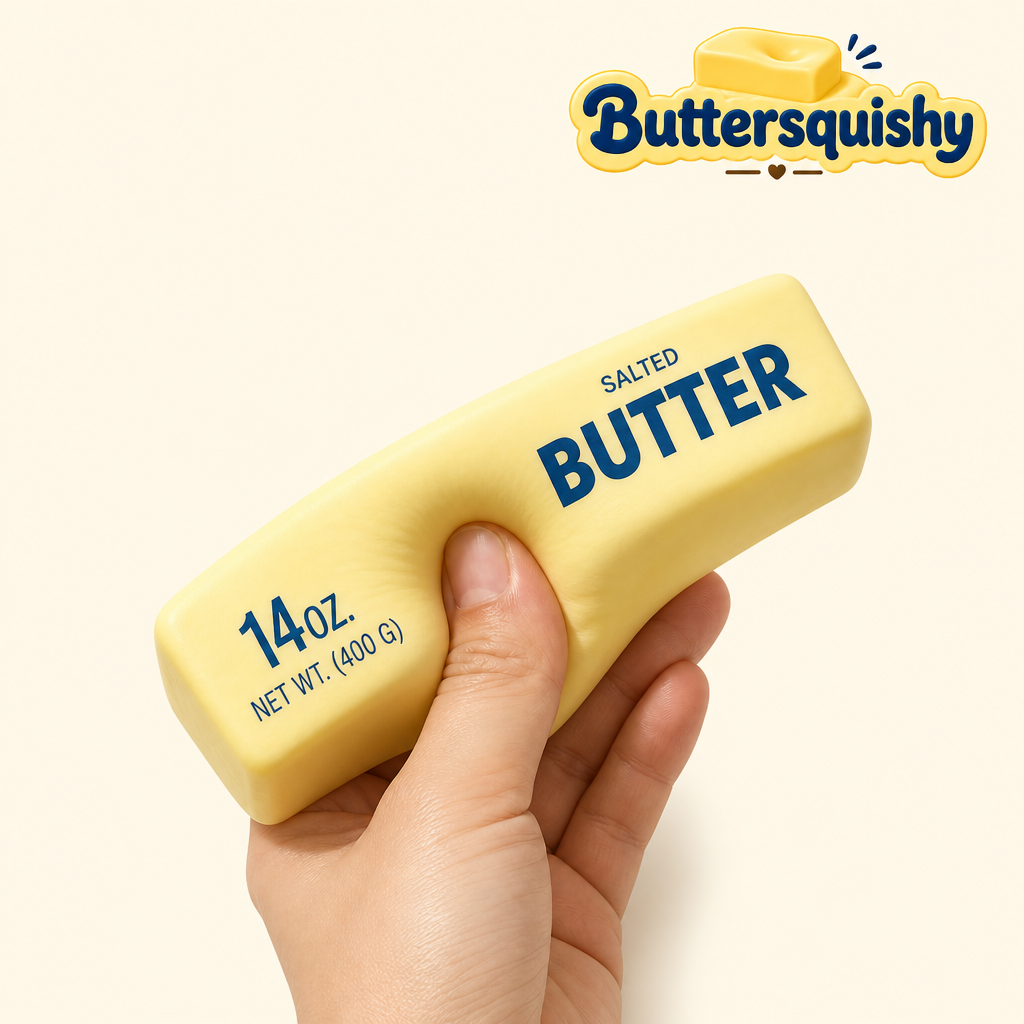
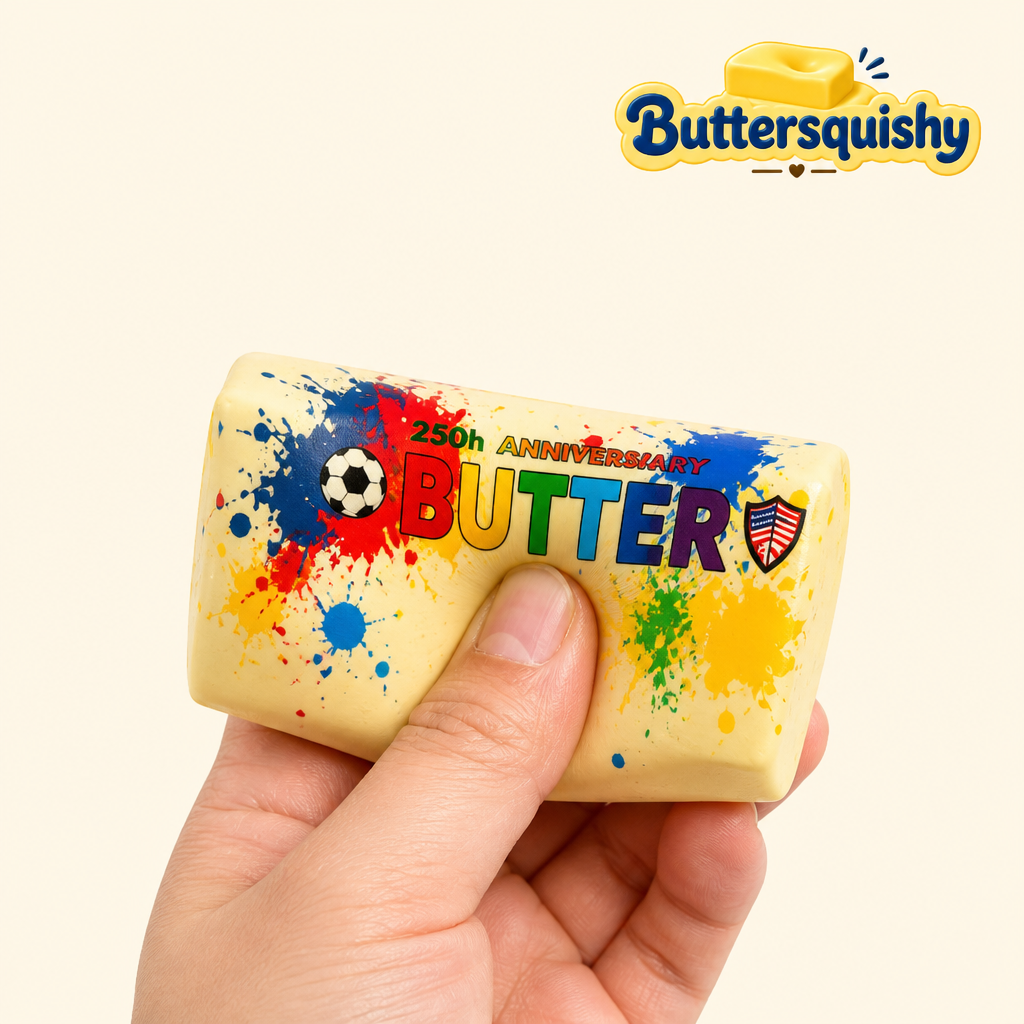
Product photos can also confuse buyers about real weight. For instance, the Splash Marble Butter 3-Pack prints playful butter-stick wrapper markings across its three blocks. Those markings are novelty artwork rather than measured shipping or unit weights. Similarly, buyers should check published measurements before guessing how heavy a squeeze toy feels. If you prefer a full-hand grip, rectangular butter-bar foam blocks spread pressure across four fingers instead of one fingertip.
Desk Care and Buying Checklist for Squeeze Toys
Keeping any squeeze toy fresh depends on using the right cleaning habit for its material. According to KingSquishy, TPR toys are washable, so rinsing a dusty rubber mochi in lukewarm water clears lint fast. By contrast, slow-rise PU foam is spot-clean only and should stay out of sinks. For example, wiping a butter squishy with a damp cloth and letting it air-dry away from direct heat keeps the rebound steady.
Before ordering a desk squeeze toy, run through five quick buying checks:
- Confirm the core material in the product title or specs before checkout, since shops sell foam, rubber, and gel under the same mochi name.
- Check your grip strength and fingernail length before paying for a filled shell, because hard pinching raises the chance of a messy desk spill.
- Verify the toy’s physical size against CPSC small-parts safety guidance whenever toddlers share the living room, coffee table, or study area.
- Decide whether you want sink rinsing or dry cloth wiping, because dust-prone desks punish tacky finishes unless you rinse them on a schedule.
- Compare single-piece pricing against multi-pack bundles so you can rotate fresh pieces between your work desk and home bag.
Where Does Splash Marble Butter 3-Pack Fit for Desk Fidgeting?
The Splash Marble Butter 3-Pack fits shoppers who want a leak-free slow-rise butter squishy at $12.15 USD. With three bars in the pack, you can keep one piece at your desk and rotate spares to limit surface wear. On the storefront page, the listing highlights its slow-rise rebound (“Squeeze it, then watch it come back.”). Because the foam core holds no liquid, daily squeezing avoids messy desk leaks.
In practice, this 3-pack works best for calm palm presses during calls, reading, or study blocks. However, buyers wanting a sink-washable rubber toy or heavy grip training should choose TPR stress balls or firm putty instead. Each bar is a non-food squeeze toy rather than edible food or a medical device. Wipe each piece with a damp cloth and air-dry away from heat, or browse more slow-rise styles in the Shop.
Frequently Asked Questions
How does a mochi stress ball feel compared to a slow-rise butter squishy?
A mochi stress ball usually feels bouncy and quick because it relies on stretchy TPR rubber or a cool gel center. When you release your grip, the shape returns right away. A butter squishy acts differently: soft polyurethane foam holds your fingerprint for 3 to 5 seconds before rising back. Choose rubber if you rinse toys often, and choose foam if you prefer dry spot-cleaning.
What should heavy squeezers buy to avoid desk leaks?
Heavy squeezers should skip liquid-filled shells and pick solid foam or dense putty. Gel cores split once sharp nails or crushing pressure weaken the wall. Slow-rise foam bars never spill liquid across a keyboard, even though rough pinching can scuff painted prints over time. If zero tearing matters more than rebound, firm putty handles full-strength gripping without springing a leak.
Why does toy size matter around children under three?
Compact pocket squishies pose choking hazards whenever toddlers can reach a desk or coffee table. Federal safety rules under 16 C.F.R. part 1501 prohibit under-3 toys that contain or shed pieces fitting uncompressed inside the CPSC small parts cylinder. Also, 16 C.F.R. § 1500.19 requires warning labels on older-child items with small balls or parts, so keep novelty desk squishies away from infants.