

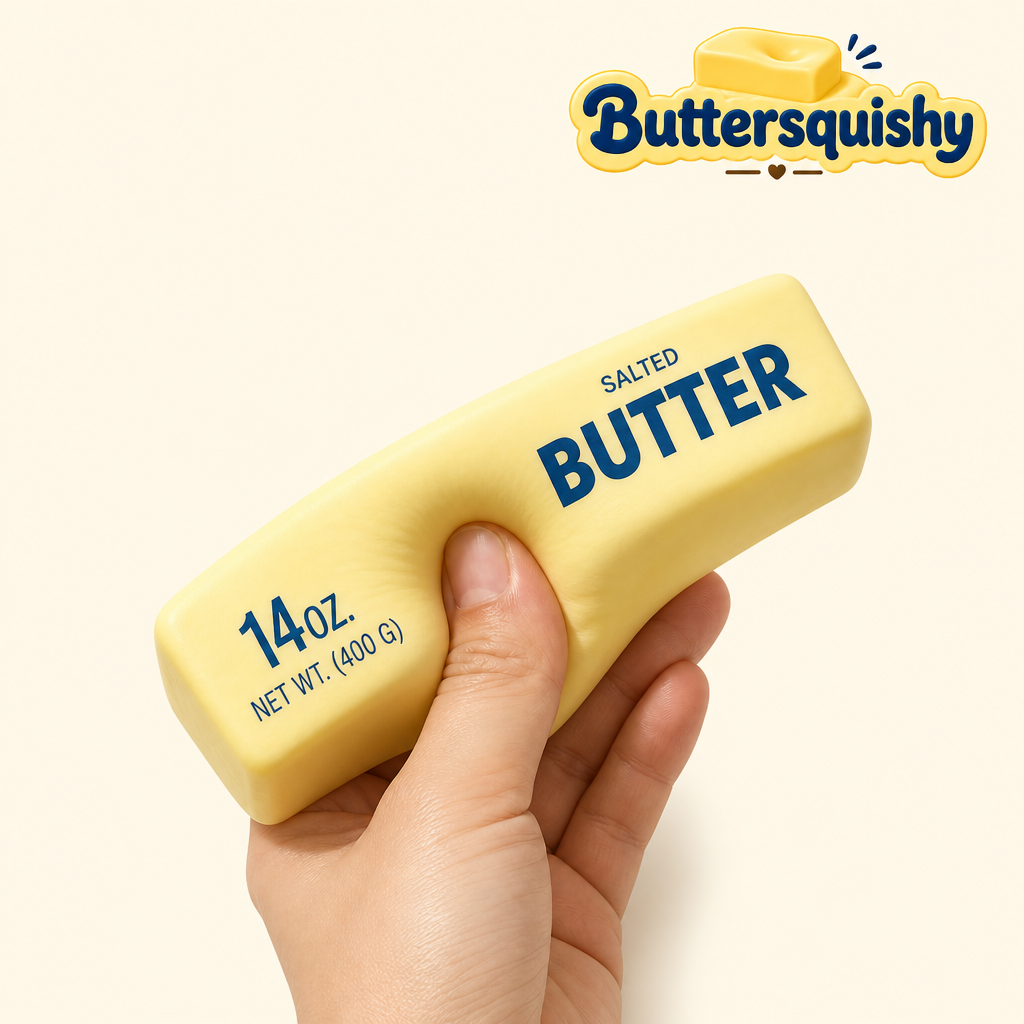
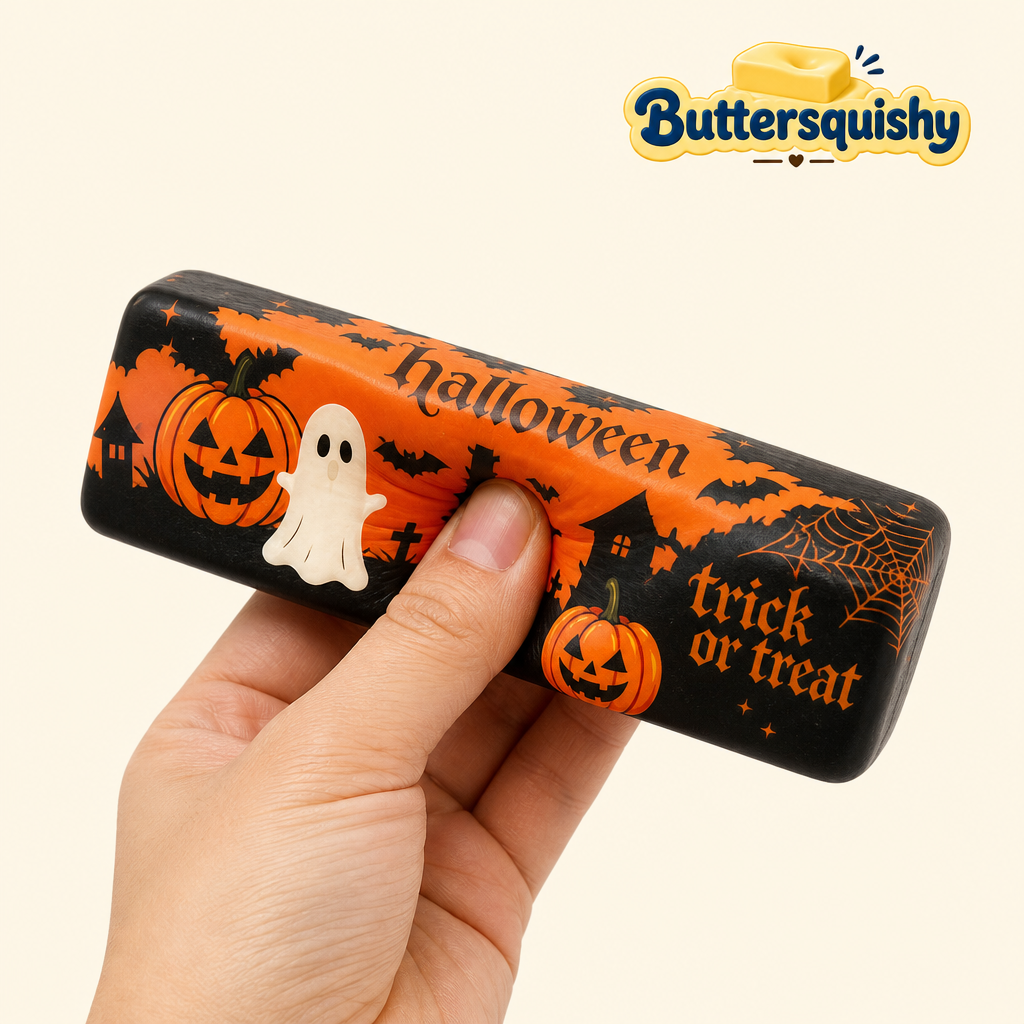
 Halloween Ghost Butter 3-Pack
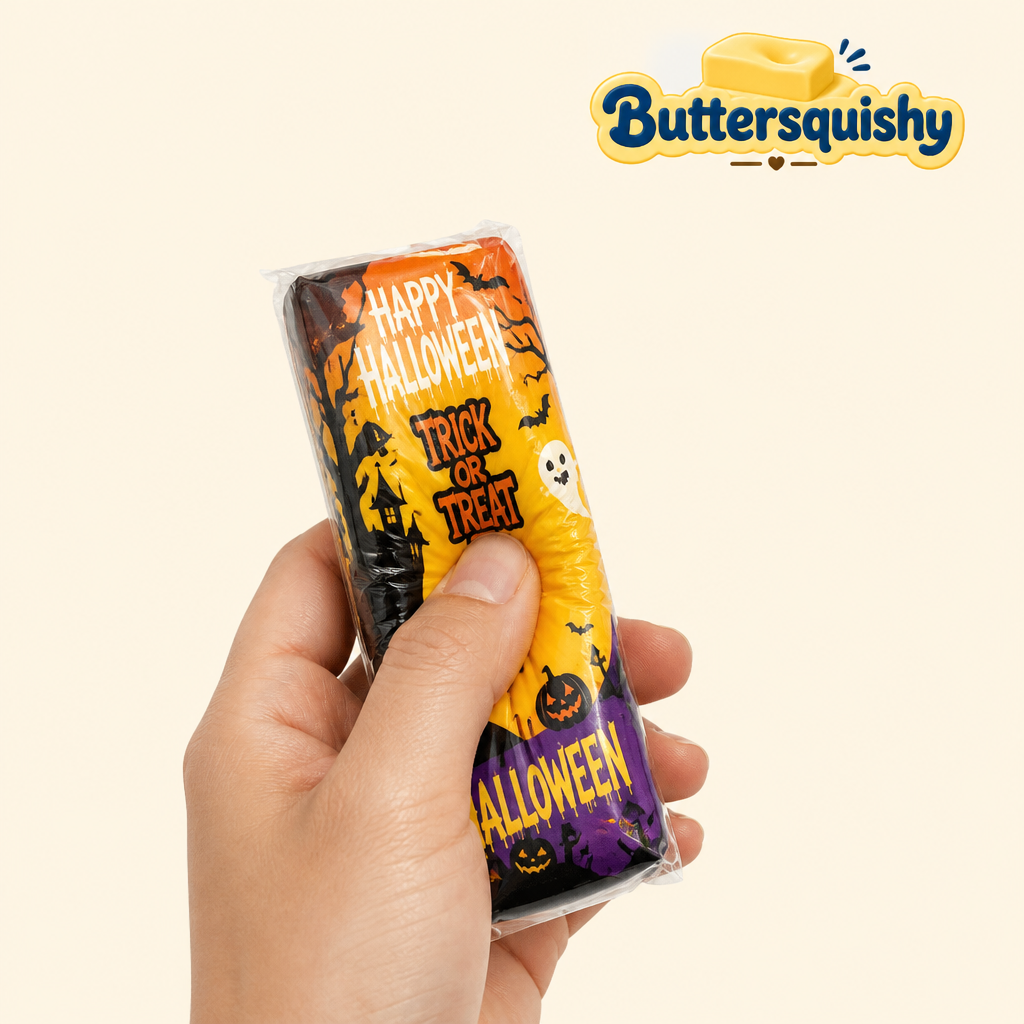 Halloween Ghost Butter 12-Pack
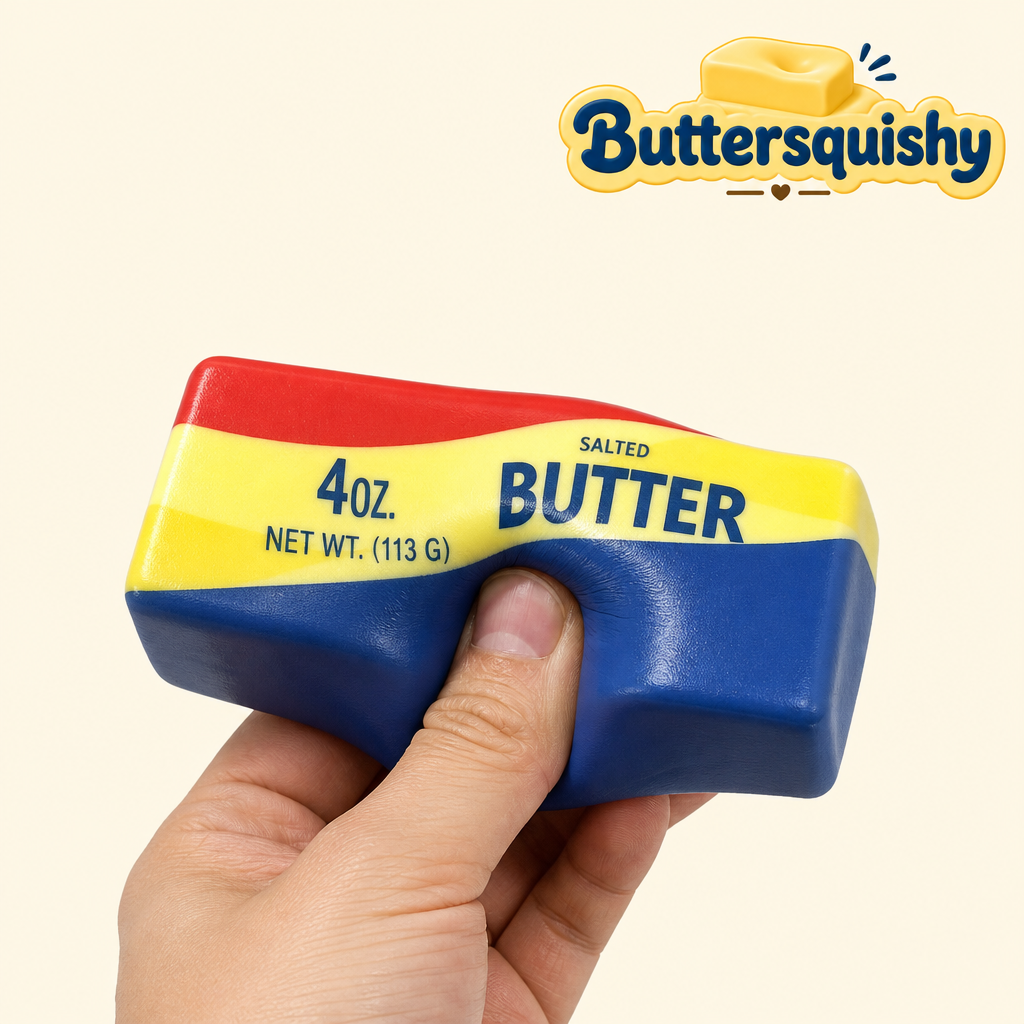 Rainbow Stripe Butter
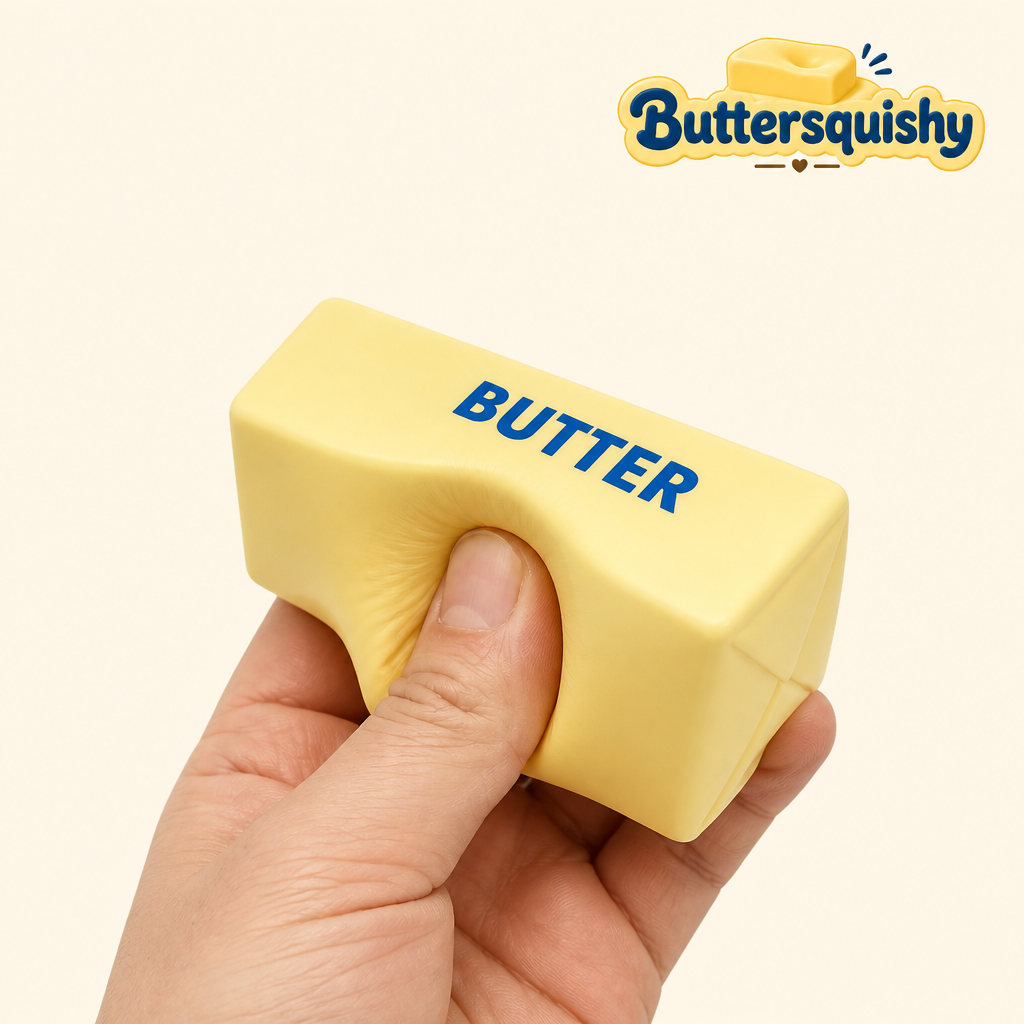 Chocolate Berry Butter 3-Pack
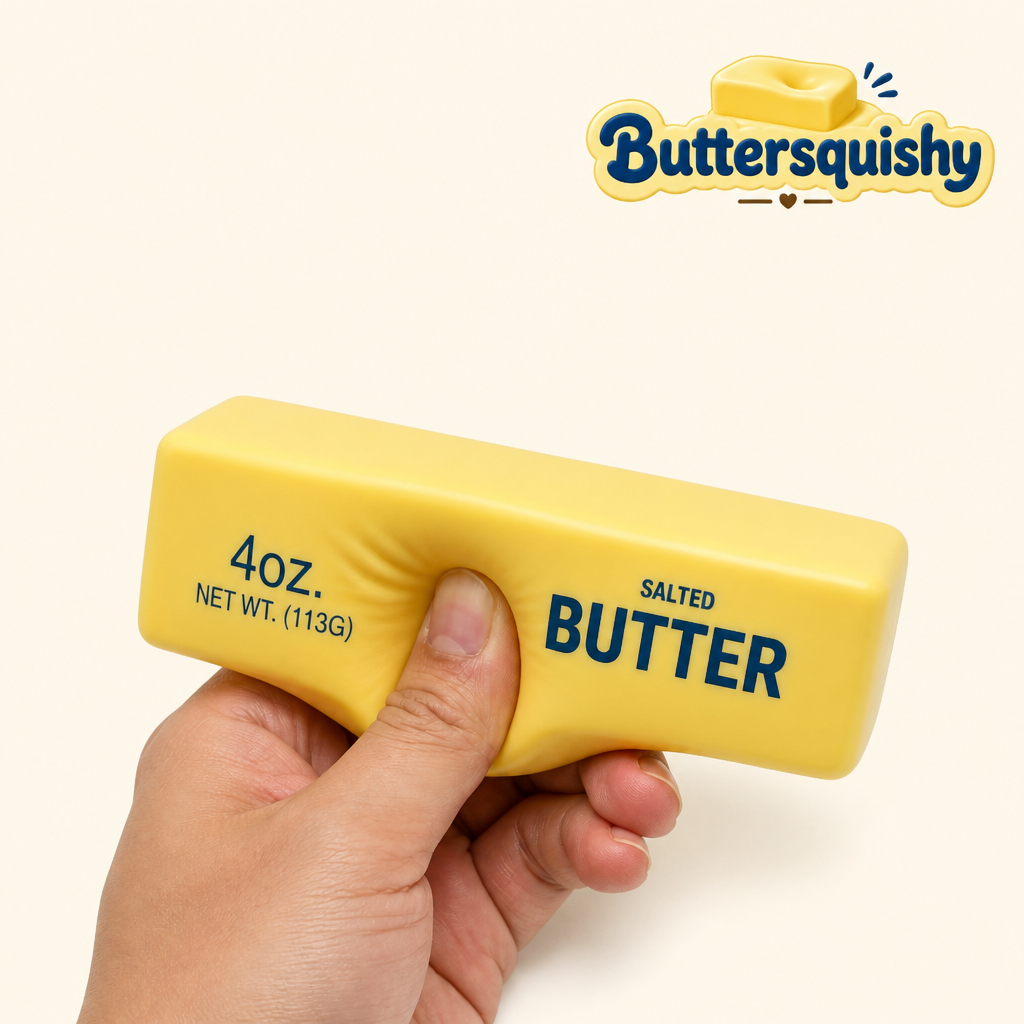 Strawberry Chocolate Butter 4-Pack
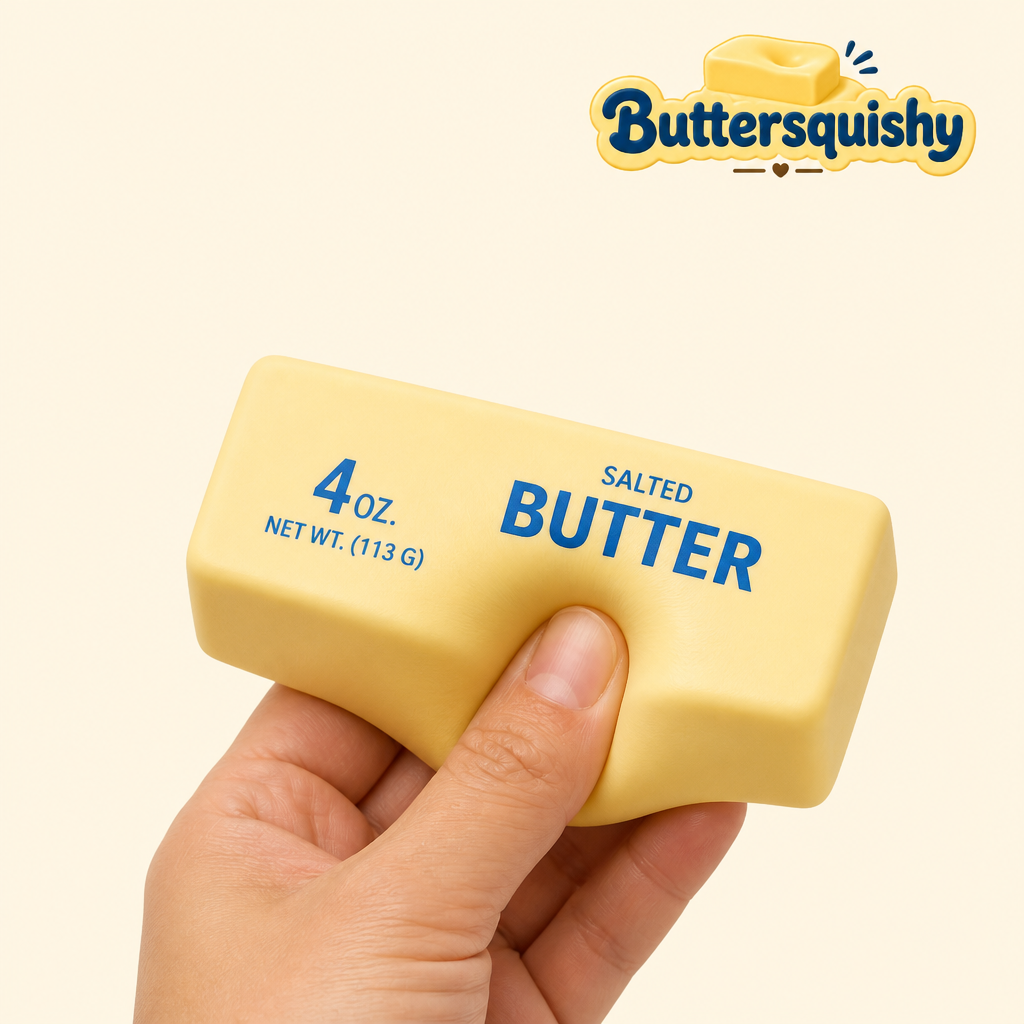 Sunset Trio Butter 3-Pack
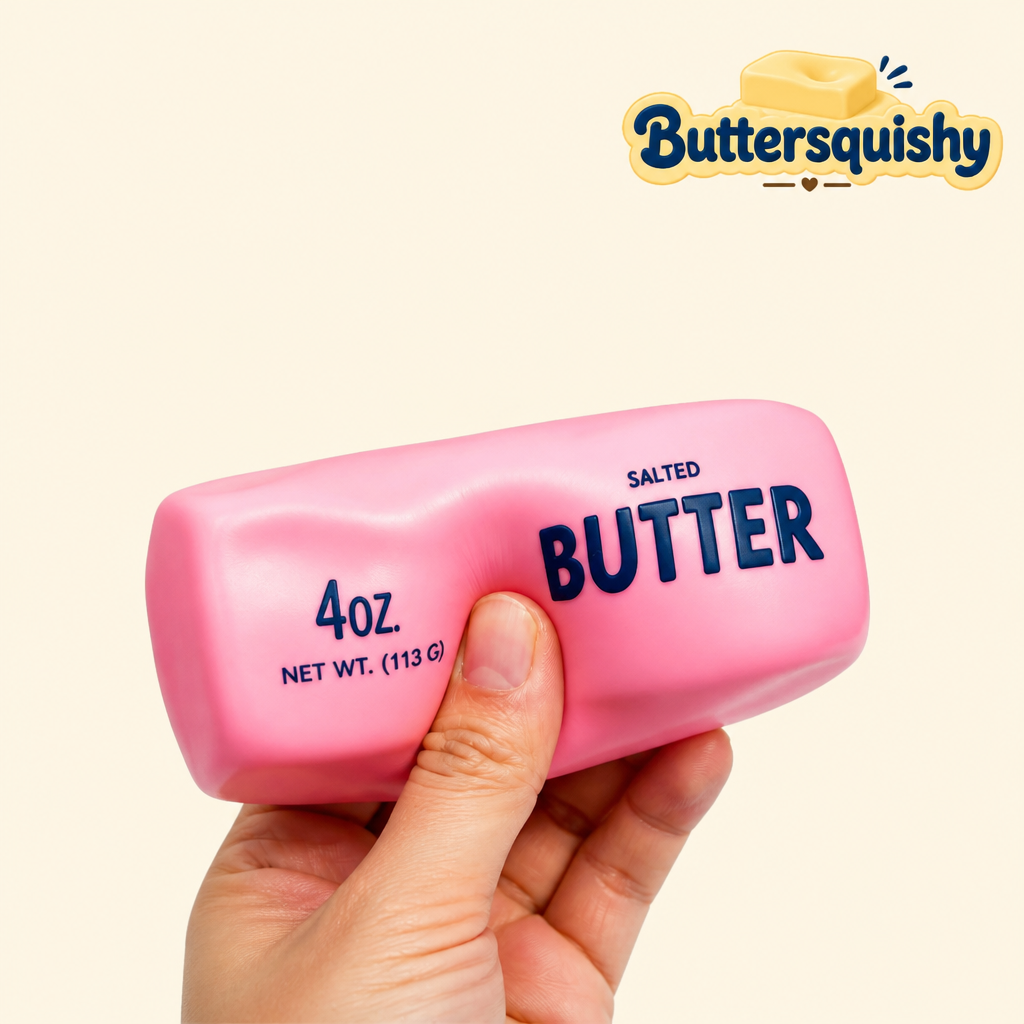 Pink Orange Crunch Butter 2-Pack
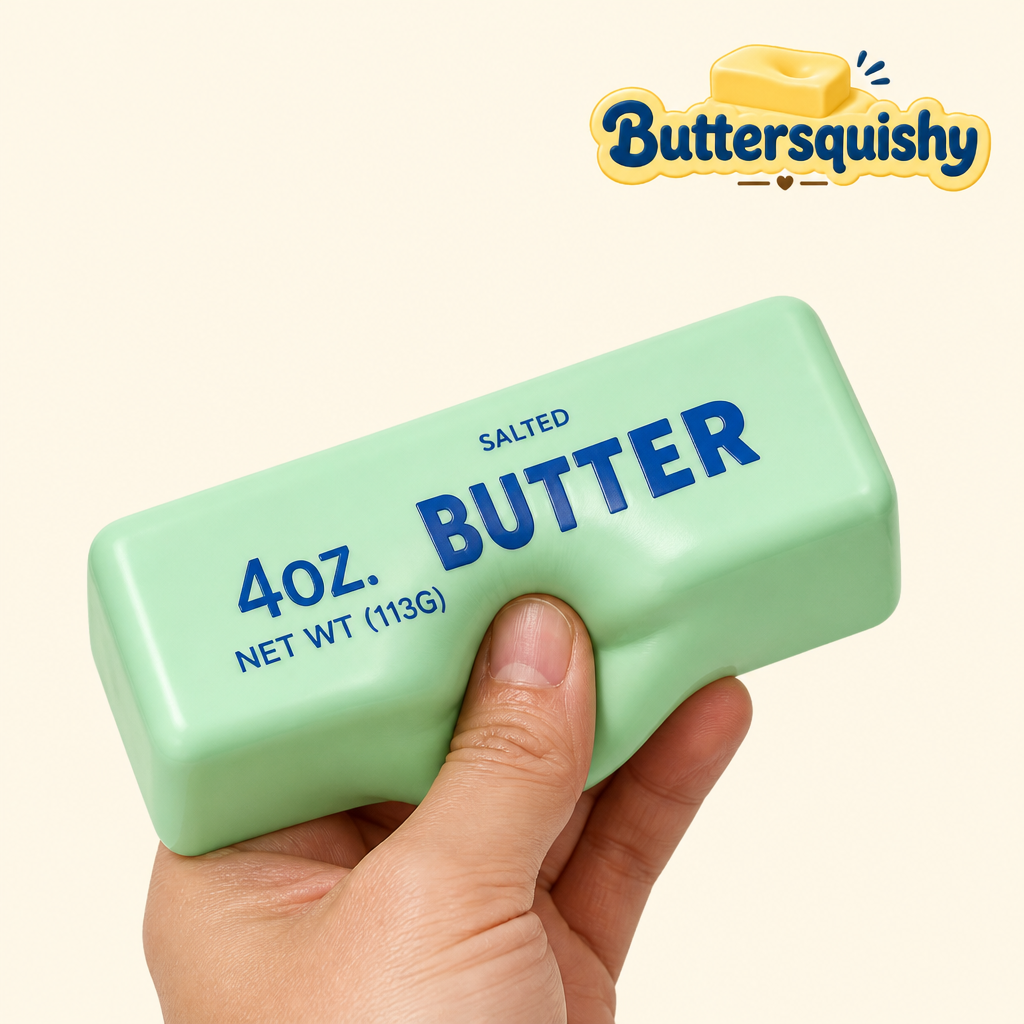 Mint Berry Crunch Butter 2-Pack
Princess Squishies: Practical Care, Cleaning, and Longevity Guide
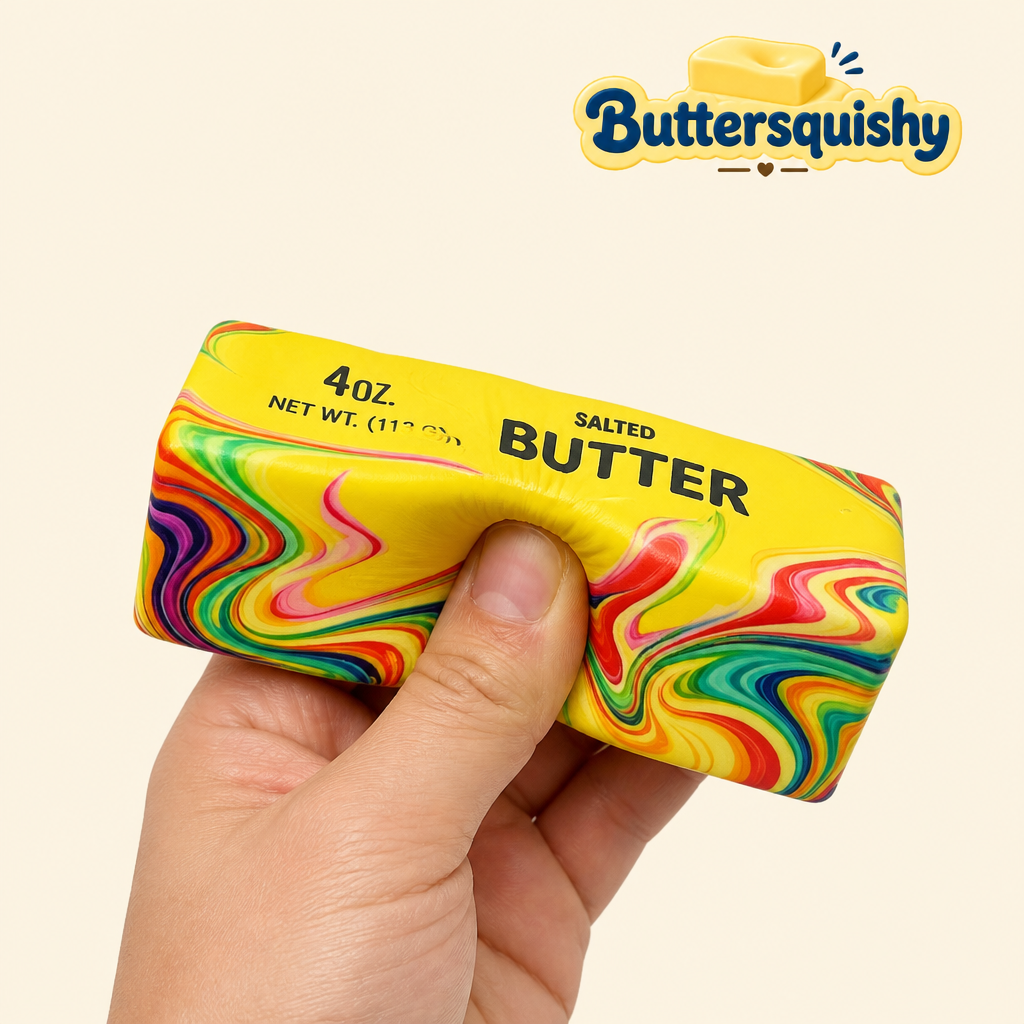
Slow-rising princess squishies are soft polyurethane foam toys that last longer with dry dusting, light cloth wipes, and shaded air-drying. Never soak, wring, bleach, or heat-dry porous foam, because trapped water breaks down internal cells and peels paint. In practice, parents should also check torn pieces under U.S. Consumer Product Safety Commission rules for children under 3 and compare simple options like Oil-Paint Swirl Butter ($5.99).
Why do princess squishies tear faster than simple shapes?
Sculpted character squishies tear faster than rectangular blocks because narrow crowns, hair strands, and dress seams concentrate pinch force on thin foam. For example, painted outer layers stretch less than the polyurethane foam inside, so hard twisting opens splits along molded edges. In practice, one rough play session can rip a thin neck or arm well before the main body wears down.
Real household reports match that mechanical pattern. In an r/mildlyinfuriating thread about an Elsa princess squishy tearing 10 minutes after unboxing, a commenter remarked that those squishy toys break under rough play. Meanwhile, another parent in the thread noted that kids squeeze toys hard. Households wanting a display-condition collectible often keep a separate piece for adult desk use instead.
Therefore, separating shelf collectibles from rough play protects sculpted princess squishies from early splits. Because kids pull on crowns and tiny limbs, plain block shapes handle heavy squeezing better. Keep fragile characters for lighter handling, and save simple forms for backpacks or playrooms.
How can you clean princess squishies without ruining slow-rising foam?
Safe foam cleaning uses a lightly dampened cloth, mild fragrance-free soap, a plain damp wipe, and shaded air-drying. According to Griff’s Gift Shop’s squishy care guide, slow-rising squishies use soft polyurethane foam that absorbs moisture fast. For instance, holding a painted gown toy under a faucet draws water inside porous foam, causing peeling paint and sour odors.
Solid silicone toys tolerate brief rinsing, whereas porous polyurethane foam needs surface wiping only. As a result, keeping moisture on the surface protects rebound feel and painted details. Follow these 5 steps for soiled foam:
- Dab dry surface lint off the toy with clear tape before using any water.
- Dampen a clean microfiber cloth with lukewarm water and 1 drop of mild fragrance-free soap, then wring it out well.
- Blot smudged spots on painted surfaces without scrubbing hard over delicate eyes or trim.
- Wipe away leftover soap with a second cloth dampened in plain lukewarm water.
- Set the toy on a clean towel in open shade until dry throughout.
Skip hot water, washing machines, and dishwashers on slow-rising foam. High heat warps soft cells and loosens painted coats, while wringing rips narrow molded seams.
How do you clean sculpted crevices and fix sticky foam?
Crevice care starts dry with clear tape and a soft brush, followed by talc-free baby powder on dry tacky foam. According to AmySquishy’s slow-rising care tutorial, dabbing dry foam with clear tape lifts loose lint without scratching paint. In addition, sweeping tight dress folds or hair grooves with a soft toothbrush or clean makeup brush clears pocket dust before wiping.
Sticky surfaces often appear after hand oils build up or after a damp wipe dries. Wait until every molded seam feels dry, because powdering damp paint leaves clumps in fine lines. In practice, dusting a pinch of talc-free baby powder over dry tacky spots restores a smooth grip after tapping off extra dust.
However, skip hair dryers and sunny windowsills to speed up drying. According to AmySquishy’s guide, heat and direct sunlight fade pastel paint and leave polyurethane foam brittle. Instead, let steady room airflow finish the job in open shade.
Weekly hygiene, storage, and CPSC small-parts safety rules
Good squishy maintenance combines dry shaded storage, weekly surface wiping without bleach, and federal small-parts inspection for torn foam. According to Griff’s Gift Shop’s care guidance, clean dry bins or breathable mesh bags block dust and direct sunlight that cause fading and brittleness. Meanwhile, wiping active toys once every 7 days removes hand oils without bleach or harsh sanitizers that degrade soft foam coatings.
Structural checks matter most once sculpted toys begin splitting. Under U.S. Consumer Product Safety Commission small-parts regulations (16 C.F.R. part 1501), children’s products meant for children under 3 that present a choking, aspiration, or ingestion hazard from small parts are banned. That definition covers any piece that breaks off during use or abuse.
In addition, 16 C.F.R. § 1500.19 requires choking hazard warning labels on small-part toys intended for older children. For example, check sculpted crowns, painted ribbons, and neck joints during each weekly wipe. If soft foam flakes into bite-sized bits, retire the damaged toy and keep detached fragments away from children under 3.
Comparing sculpted princess squishies with smooth butter forms
Comparing sculpted character collectibles with smooth novelty blocks comes down to crevice upkeep, tear stress points, and rebound specs. Collectors in r/Squishies share enthusiasm for novelty food-inspired squishies alongside character designs, showing how both styles fit into everyday collections. For example, Oil-Paint Swirl Butter is a non-food soft butter squishy listed at $5.99 USD with a 3-second rise rating and flat rectangular sides.
Note that Oil-Paint Swirl Butter is a smooth novelty butter squeeze toy rather than a licensed princess character toy, edible food, or a medical device. The comparison below outlines verified shape, care, and published specifications so buyers can match each style to shelf display or desk squeezing.
| Comparison Factor | Sculpted Princess Character Squishies | Oil-Paint Swirl Butter |
|---|---|---|
| Primary Shape | Molded crowns, hair, and dress folds | Smooth rectangular butter block |
| Daily Cleaning Method | Clear tape plus soft brush in crevices | Slightly damp cloth on flat sides |
| Listed Price | Varies by brand and retailer | $5.99 USD on Buttersquishy |
| Rebound Rating | Varies by foam formula | Slow-rising, 3-second rise rating |
| Product Type | Character collectible squeeze toy | Non-food butter squeeze toy |
| Inspection Focus | Thin crowns, painted necks, and limbs | Surface edges and corners for splits |
In practice, broad flat panels wipe clean faster after desk use than molded gowns with deep folds. Shoppers wanting a plain everyday squeeze toy beside character collectibles can also browse other smooth butter styles in the Buttersquishy Shop.
Frequently Asked Questions
Can slow-rising princess squishies be washed directly under water?
No, slow-rising polyurethane foam should stay out of running water and soaking bowls. According to Griff’s Gift Shop’s care guide, porous foam drinks water into inner cells, where trapped dampness causes peeling paint and sour smells. Instead, wipe dirty spots with a barely damp cloth and mild fragrance-free soap, then let shaded airflow dry the toy.
How do you stop a foam squishy from feeling sticky after cleaning?
Sticky coatings usually come from leftover skin oils, unwashed soap film, or trace dampness inside surface pores. First, let the toy rest in open shade until every sculpted groove feels dry to the touch. According to AmySquishy’s care tutorial, brushing a pinch of talc-free baby powder over dry foam restores a smooth, lint-free finish.
When should a torn character squishy be kept away from young children?
Remove any torn character toy from children under 3 as soon as crowns, painted trim, or foam edges start flaking into loose bits. Under U.S. CPSC rule 16 C.F.R. part 1501, detached pieces that break off during play create a choking hazard for children under 3. In practice, gentle cloth wiping cleans intact foam, yet it cannot mend structural splits or keep crumbling foam together.