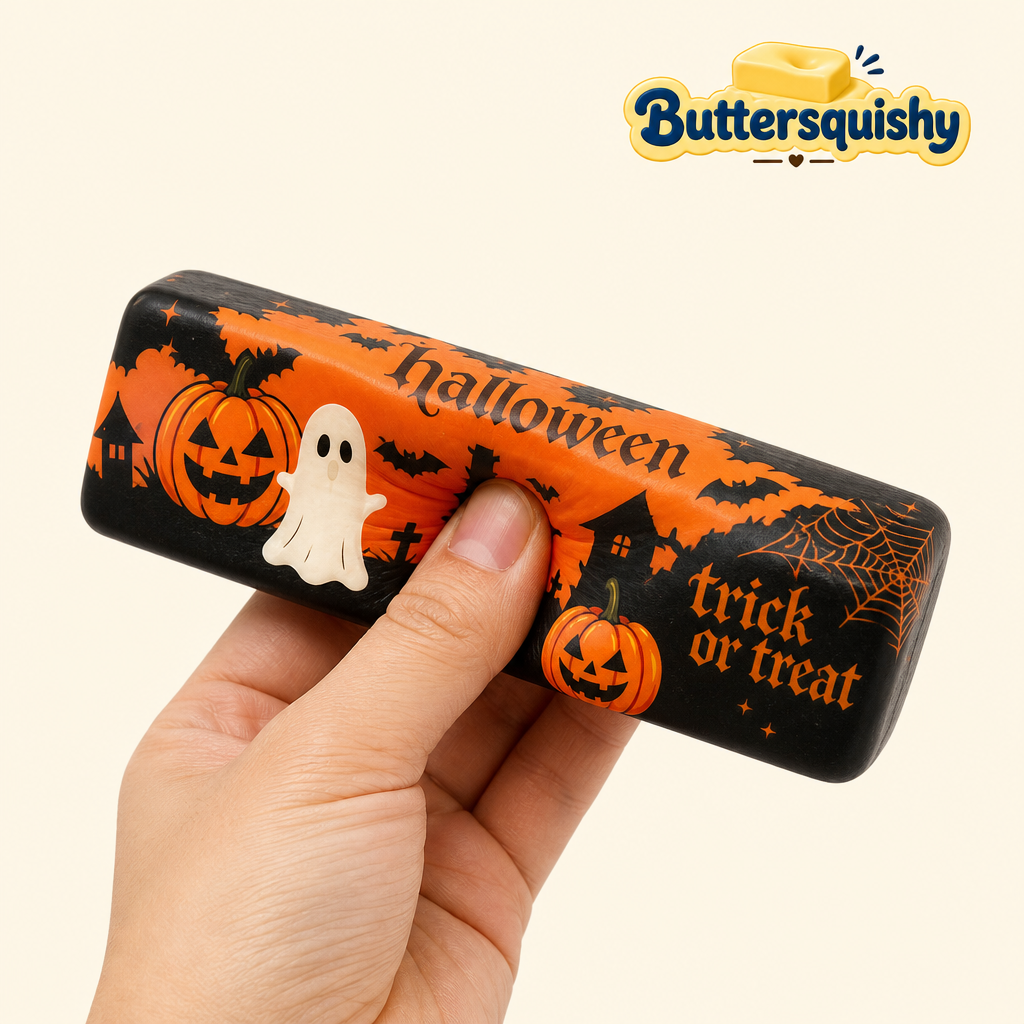
 Halloween Ghost Butter 3-Pack
 Halloween Ghost Butter 12-Pack
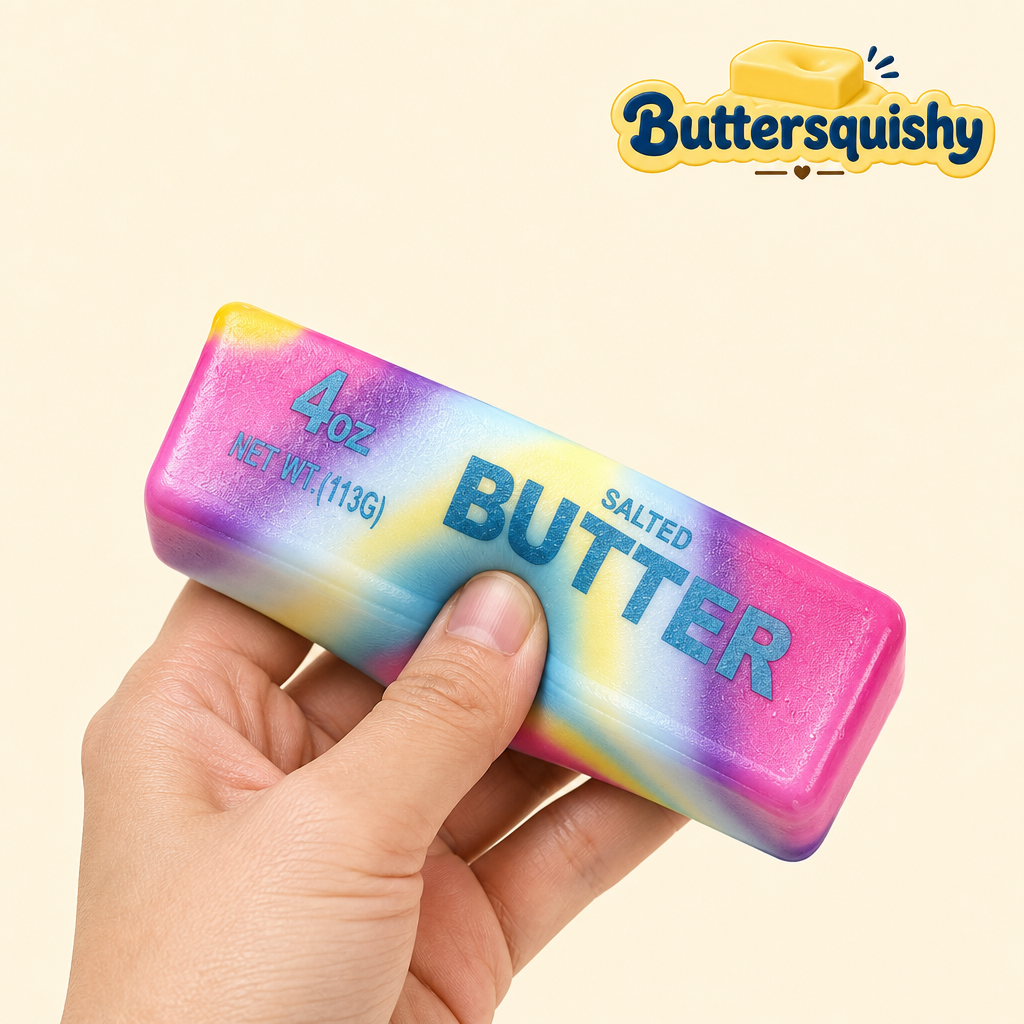
 Rainbow Stripe Butter
 Chocolate Berry Butter 3-Pack
 Strawberry Chocolate Butter 4-Pack
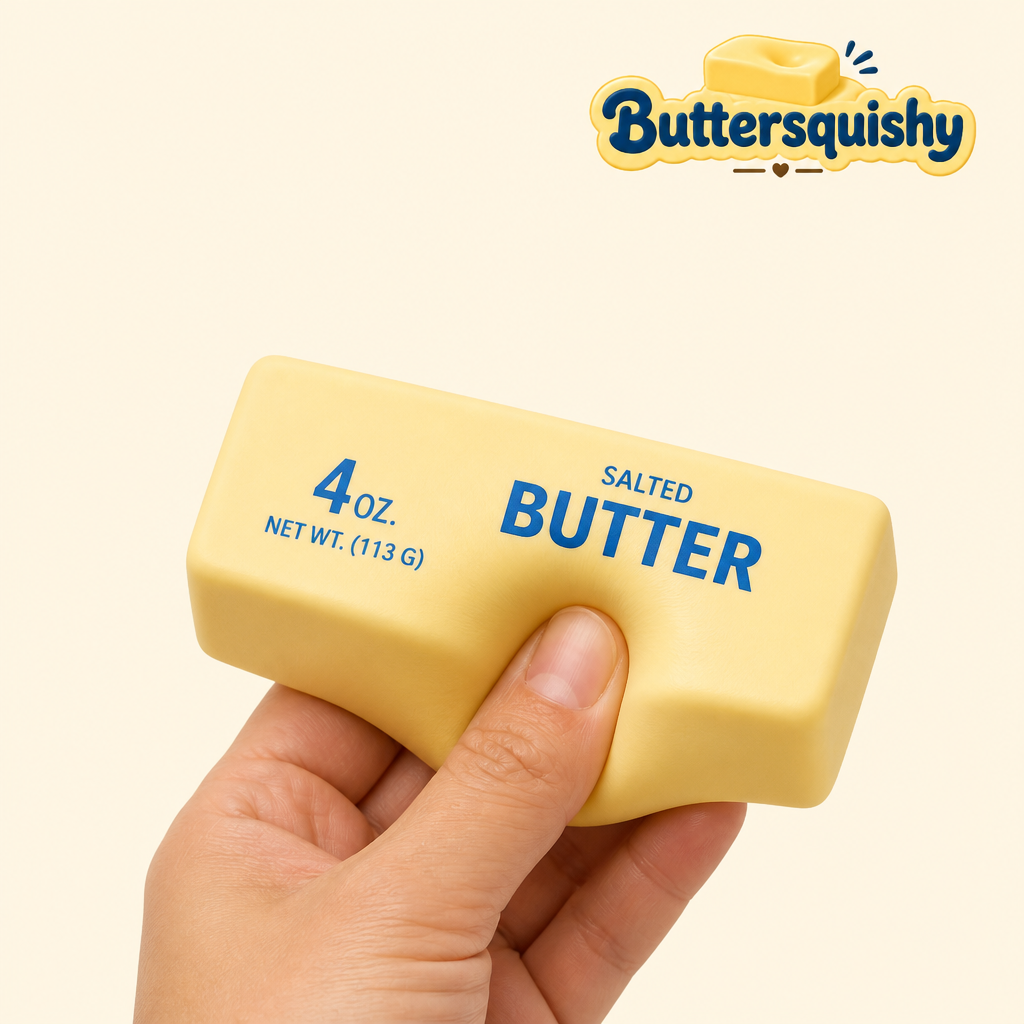 Sunset Trio Butter 3-Pack
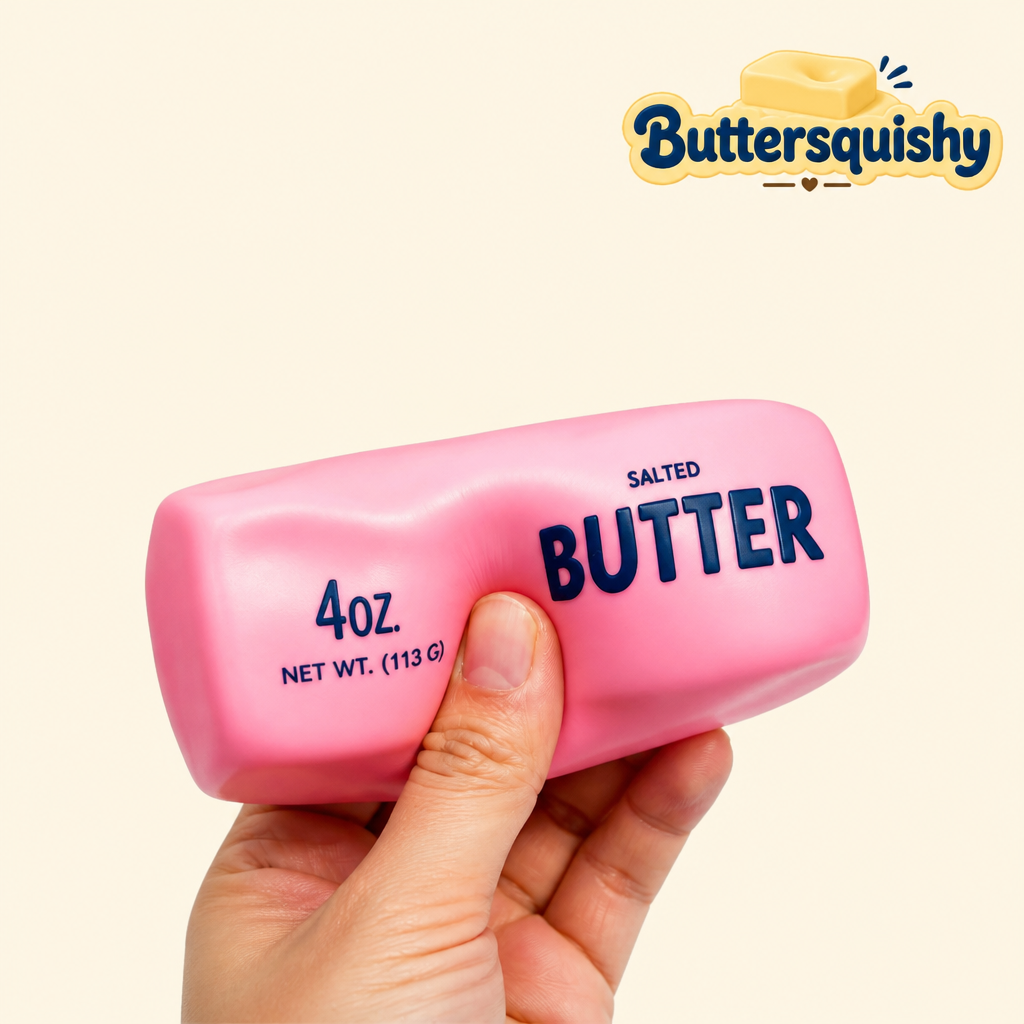 Pink Orange Crunch Butter 2-Pack
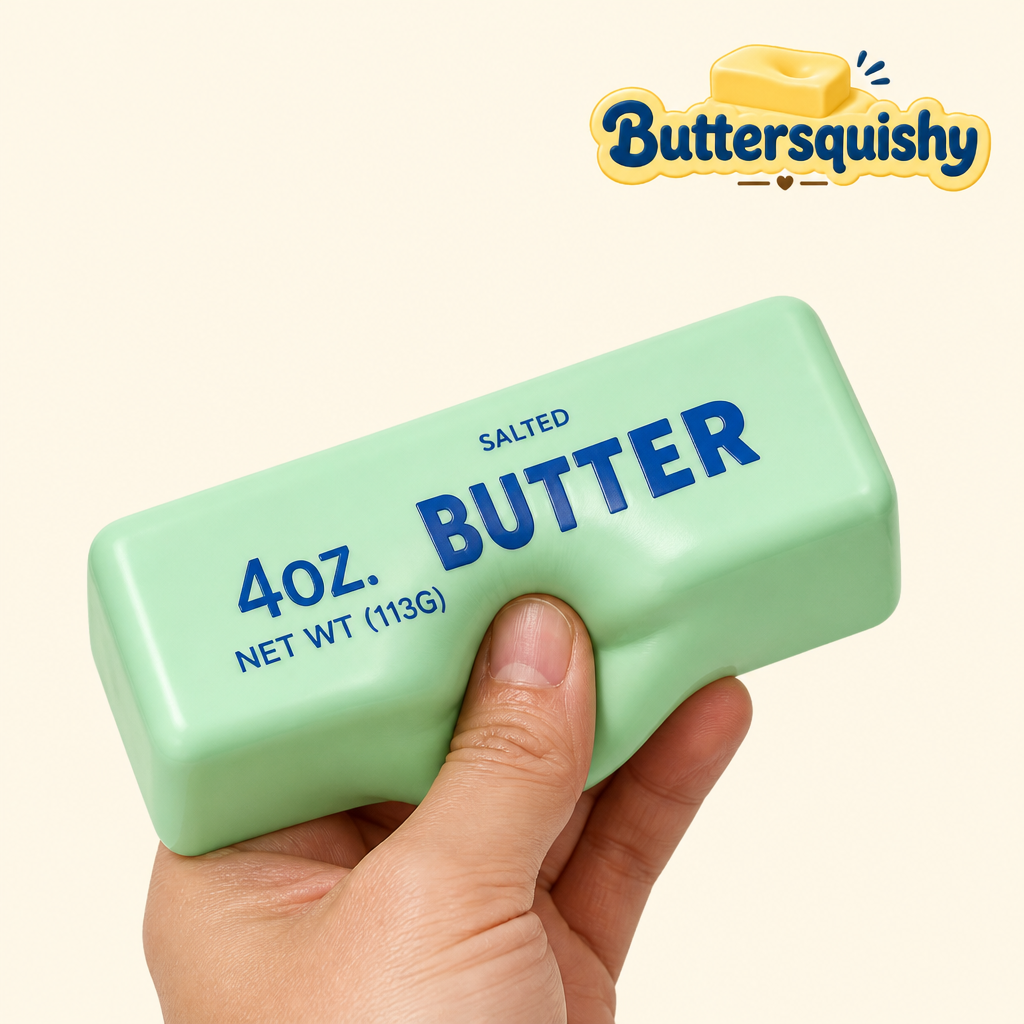 Mint Berry Crunch Butter 2-Pack
Stress Ball Blue: Practical Care, Cleaning, and Longevity Guide
A stress ball blue in color stays clean and slow-rising with simple habits. Wash your hands before squeezing, wipe the shell with a damp cloth and mild soap, and air-dry it away from heat. In addition, pouch storage blocks desk dust, and prompt disposal after any tear keeps children safe.
What verified details matter before you clean a stress ball blue?
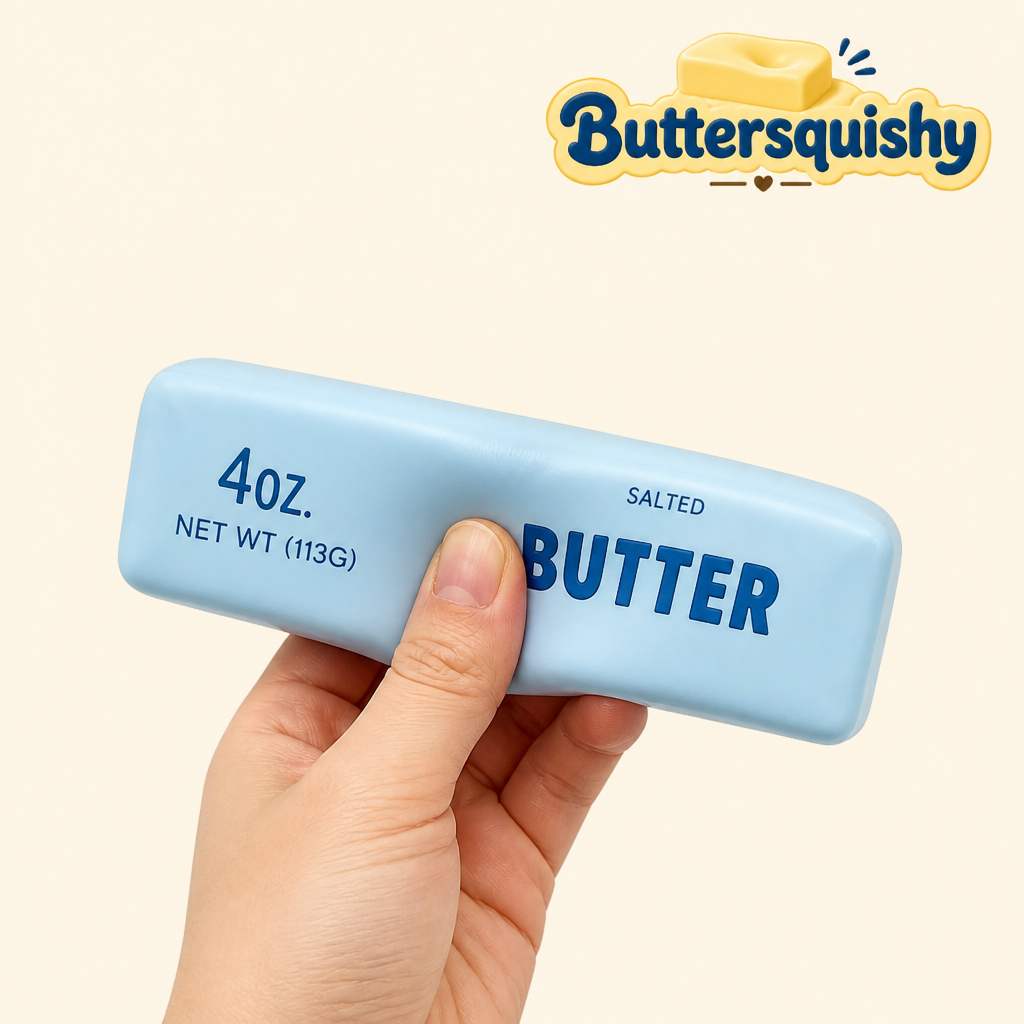
A stress ball blue in shade can use different shell coatings, so checking published specs first prevents surface damage. On Buttersquishy, the Lemon Blue Crunch Butter 2-Pack is listed at $25.99 USD. It is a 2-pack slow-rise, crunchy butter squishy that rebounds after squeezing, with a rise index of 3.0. Because it is a non-food squeeze toy, light surface wiping is the right care baseline.
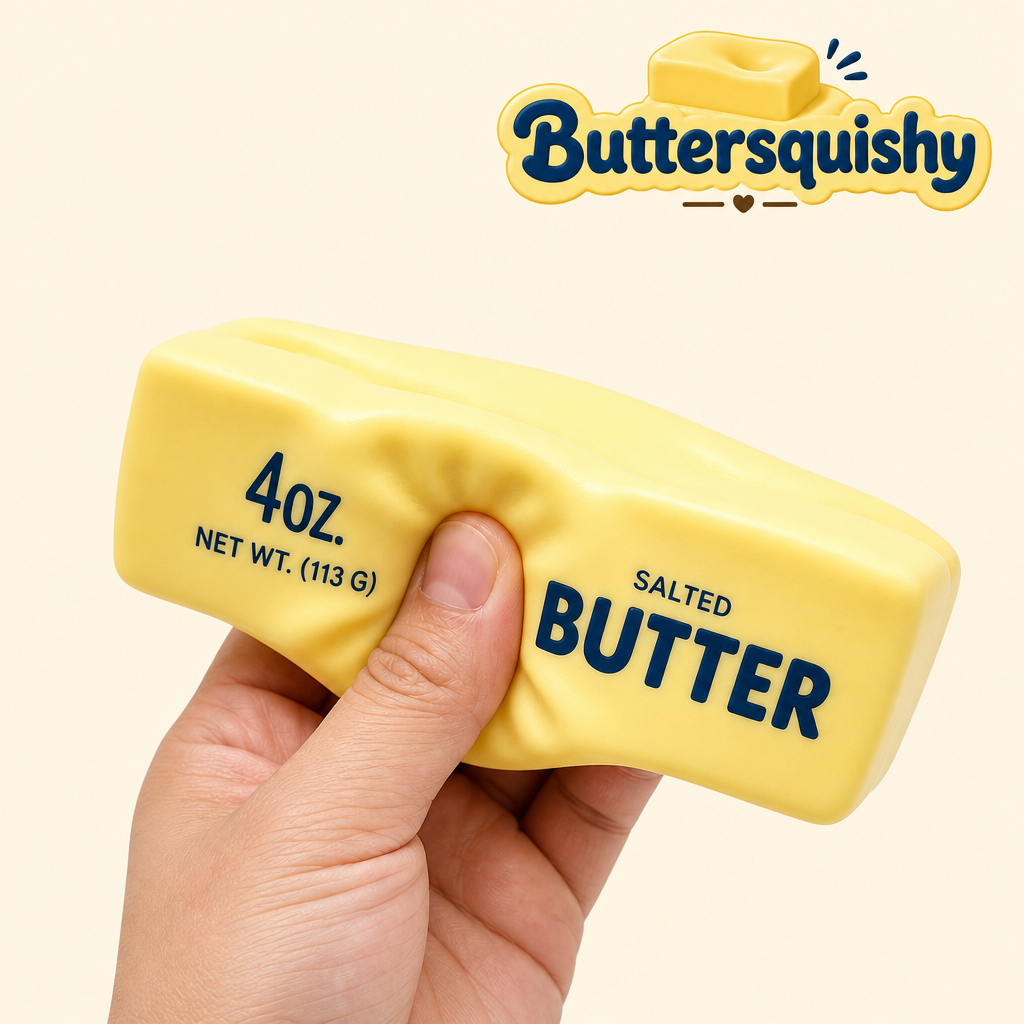
For example, the product photo shows two butter-stick squeeze toys, one pale yellow and one pale blue. Each piece carries printed butter wrapper lettering on the outer surface. However, abrasive sponges or strong cleaners can dull printed ink and roughen soft coatings. Therefore, sticking to mild moisture protects both the light blue finish and the slow-rise feel.
Quick care and spec reference
Review the confirmed listing details and category care boundaries in the table below. Each row separates Buttersquishy product facts from general care guidance so you can match the right cleaning routine, de-sticking method, and replacement rule to your blue squeeze toy.
| Attribute or Care Area | Verified Detail or Guidance | Practical Takeaway |
|---|---|---|
| Product format | Lemon Blue Crunch Butter 2-Pack, 2-pack slow-rise crunchy butter squishy | Rotate both sticks so each piece rests between desk sessions |
| Listed price | $25.99 USD on Buttersquishy | Replacing a ruined set costs more than a quick weekly wipe |
| Rebound rating | Rise index of 3.0 | Avoid soaking or heat so the slow-rise rebound stays even |
| Cleaning method | Damp cloth, one drop of mild dish soap, clean damp rinse cloth | Skip faucets, dishwashers, alcohol wipes, and soaking bowls |
| De-sticking option | Light dusting of cornstarch or unscented baby powder on tacky shells | Rub in lightly and wipe off extra powder before desk use |
| Discard trigger | Any split, tear, or loose piece per CPSC small-parts guidance | Throw away torn squeeze toys right away around children under 3 |
How do you wash a blue squishy without ruining its slow-rise feel?
According to MindPanda’s 4-step stress ball cleaning guide, the safest cleaning routine uses a damp soft cloth with 1 drop of mild dish soap. Next, wipe the surface again with a clean damp cloth and let it air-dry. In practice, this 2-cloth method lifts hand oils and desk dust without forcing water into seams.
By contrast, holding a squeeze toy under a faucet or soaking it in a bowl traps water inside. Similarly, dishwashers, hair dryers, radiators, and alcohol wipes break down soft coatings and cause cracking. Instead, rest the toy on a clean towel at room temperature until every side feels dry.
Follow this quick checklist whenever your stress ball blue finish looks dull or feels grimy:
- Wash and dry your hands first so fresh skin oils stay off the toy.
- Dampen a soft microfiber or cotton cloth with cool water and wring it out well.
- Add one drop of mild dish soap and wipe in light circles away from heavy scrubbing.
- Wipe a second time using a separate clean damp cloth to lift soap film.
- Air-dry the toy flat on a clean towel away from direct sun or heaters.
- Check seams and edges once dry before storing the toy in a pouch.
How can you prevent lint, skin oils, and surface tackiness?
Surface tackiness and lint buildup are caused by hand oils and airborne dust, according to Squishy Bakery’s care guide. Washing your hands with soap and water before handling squishies blocks skin oils, dirt, and food crumbs. Because pale blue finishes show dark pocket fuzz faster than dark colors, clean hands make a clear difference. For instance, one afternoon of unwashed typing leaves visible gray smudges along the edges.
Meanwhile, proper storage prevents most surface buildup between sessions. Squishy Bakery recommends keeping squishies inside their original packaging or a clean pouch when not in use. Enclosed storage blocks dust, hair, and airborne lint. By contrast, tossing a loose blue squeeze toy into a backpack pocket turns it into a lint magnet fast.
If a silicone-style squishy feels tacky after drying, Squishy Bakery suggests lightly dusting it with unscented baby powder or cornstarch. Rub the powder over the shell with your fingers, then wipe off any extra dust. However, keep the layer thin so powder does not collect in creases. To compare other butter and loaf styles, browse the Shop collection on Buttersquishy.
How do squeezing habits and safety rules affect longevity?
Stress ball longevity is determined by squeezing force and outer shell wear, even with careful wiping and pouch storage. In an r/fidgettoys thread on durable stress balls, a commenter noted that soft sugar-filled squeeze toys break eventually. They added that squeezing less aggressively puts less pressure on the plug. Therefore, steady palm pressure helps any slow-rise stress ball blue in your rotation last longer.
In addition, heavy squeezers sometimes prefer a different outer build. In another r/fidgettoys discussion seeking an indestructible stress ball, a commenter recommended soft squishy rubber with a fabric coating for durability. By contrast, the Lemon Blue Crunch Butter 2-Pack ($25.99 USD, rise index 3.0) focuses on slow-rise, crunchy hand feel rather than a fabric shell. In practice, rotating between both pieces in the 2-pack spreads out daily wear.
Safety rules also set a clear stopping point for damaged toys. According to the U.S. Consumer Product Safety Commission small-parts guidance under 16 C.F.R. part 1501, toys intended for children under 3 years old that pose a choking, aspiration, or ingestion hazard from small parts are banned hazardous substances. That rule includes pieces that break off during use. Consequently, throw away any split or flaking squeeze toy right away instead of taping it.
Frequently Asked Questions
Can you use baby powder or cornstarch on a tacky silicone-style squishy?
Unscented baby powder or cornstarch is a simple de-sticking fix after the shell finishes air-drying. For example, smooth a light pinch across sticky spots with clean fingers, then buff away loose residue with a dry cloth. Keep the dusting light so white streaks do not settle onto dark fabric or desk mats.
Why does a stress ball blue in shade pick up desk lint faster?
Pale blue tones create high visual contrast against dark clothing fibers, pet hair, and pocket fuzz. Keeping the toy inside a zip bag or lidded box between sessions stops most debris from landing on the shell. Quick handwashing before desk breaks also reduces the oil film that traps loose particles.
What should you do if a slow-rise squeeze toy starts tearing?
Prompt disposal is the safest response as soon as a seam splits or the outer skin flakes. In practice, tape or glue cannot reliably seal a flexing shell during compression. Throwing torn pieces away matters most in households with children under 3 years old, where detached fragments create a choking risk under CPSC 16 C.F.R. part 1501.