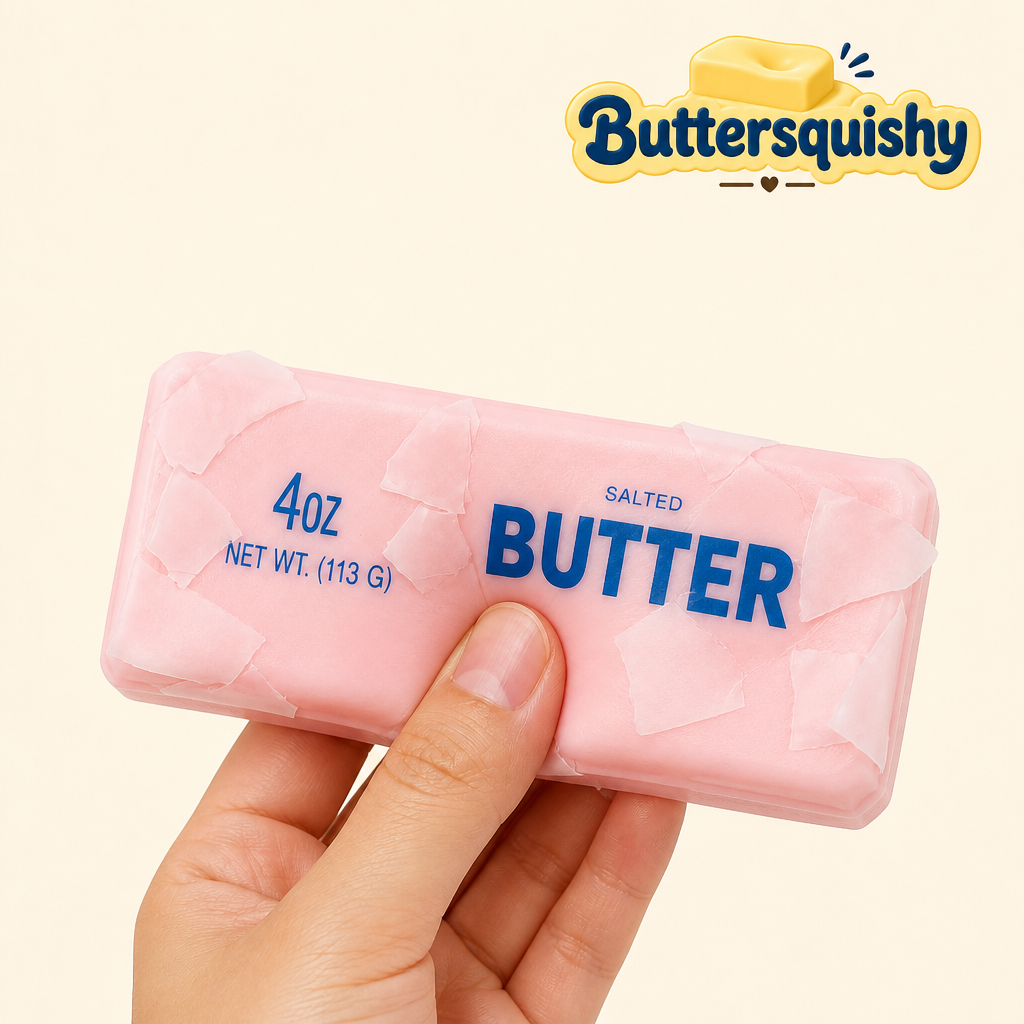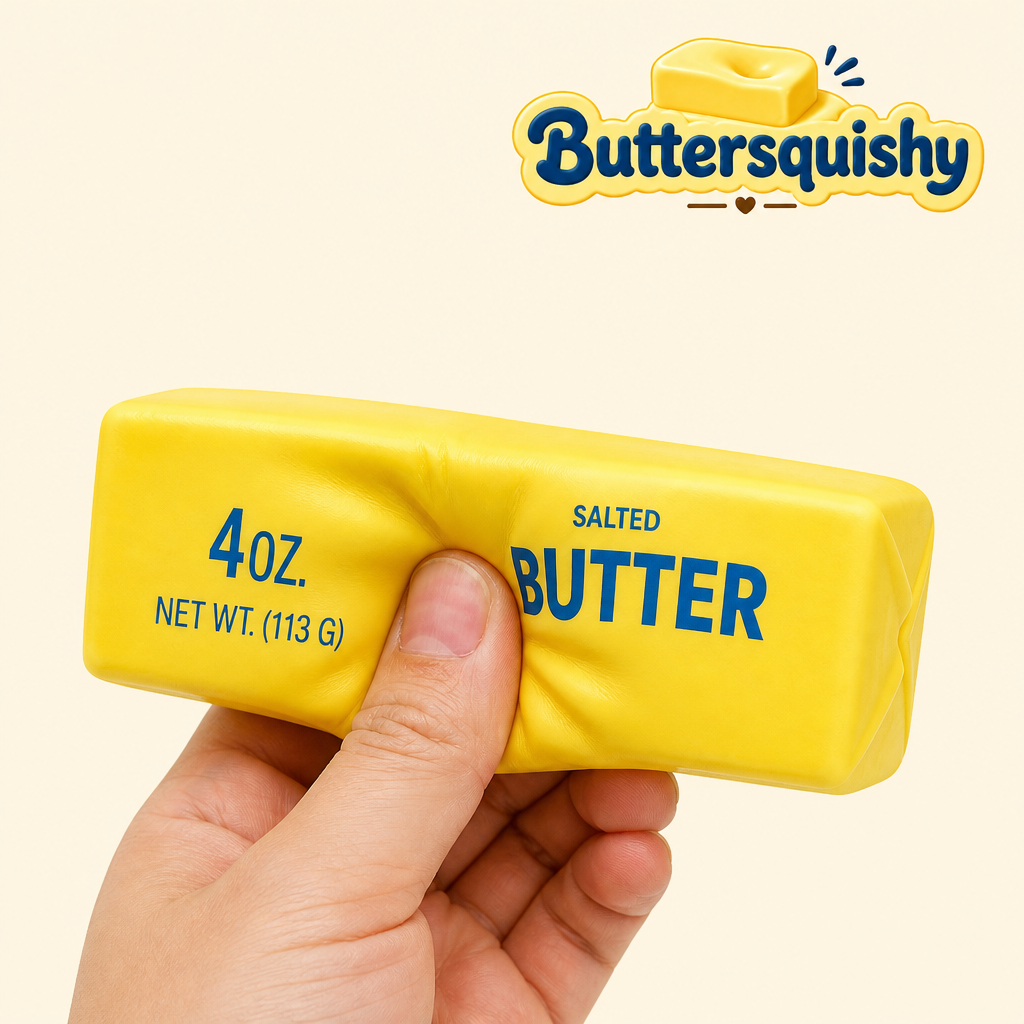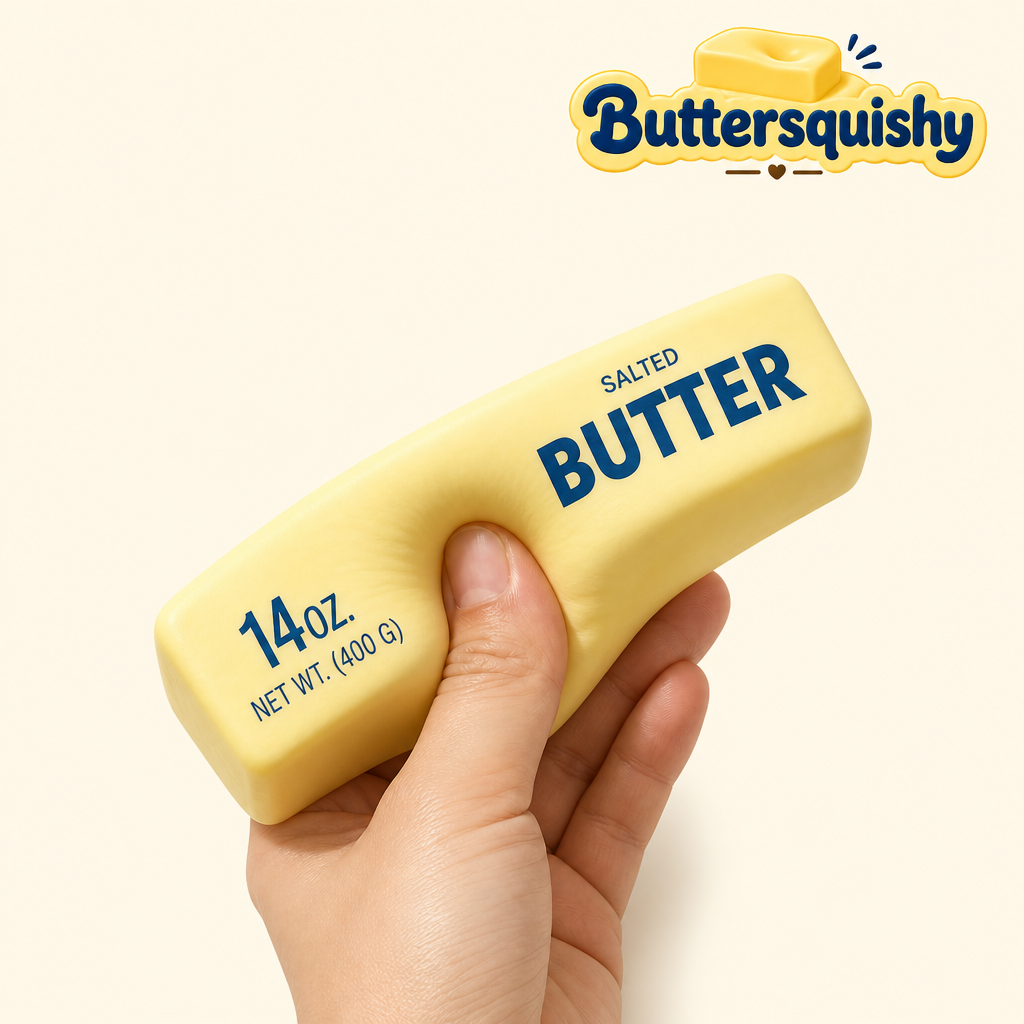
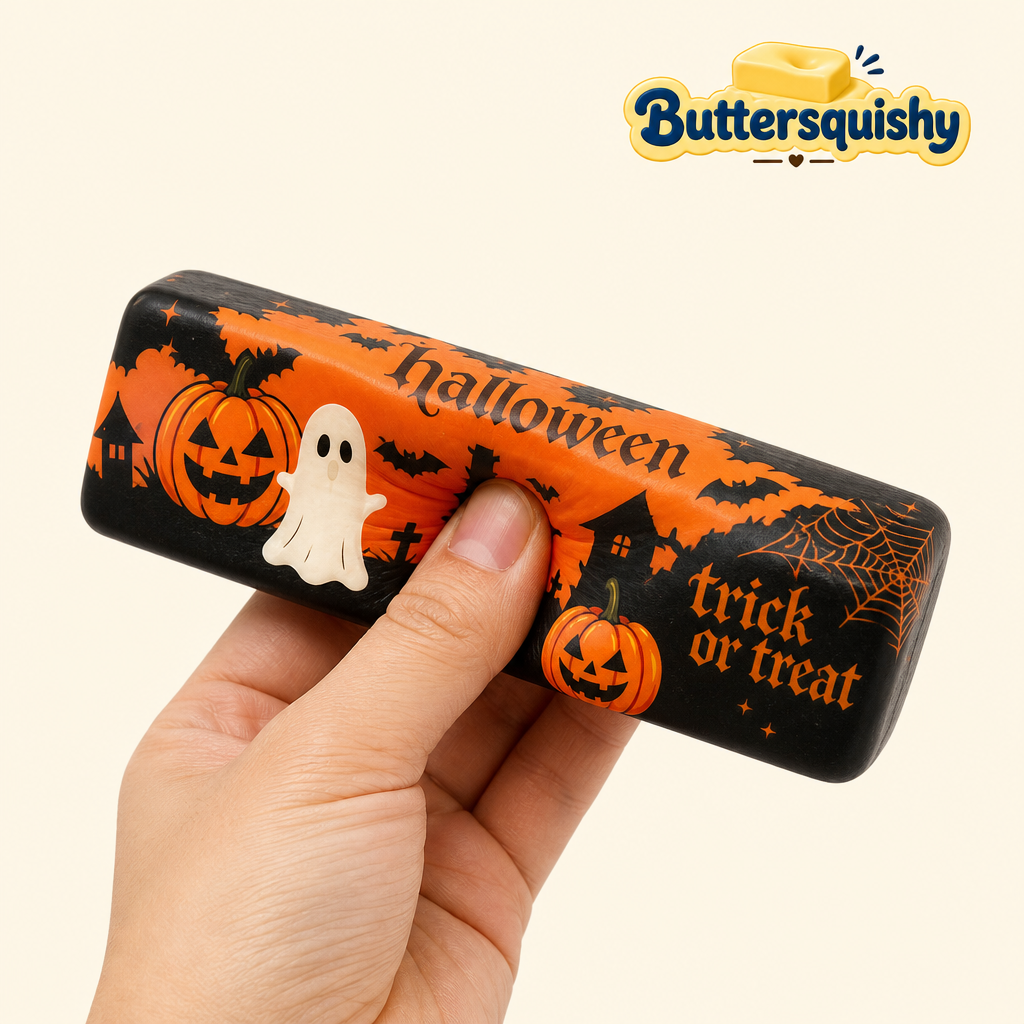
 Halloween Ghost Butter 3-Pack
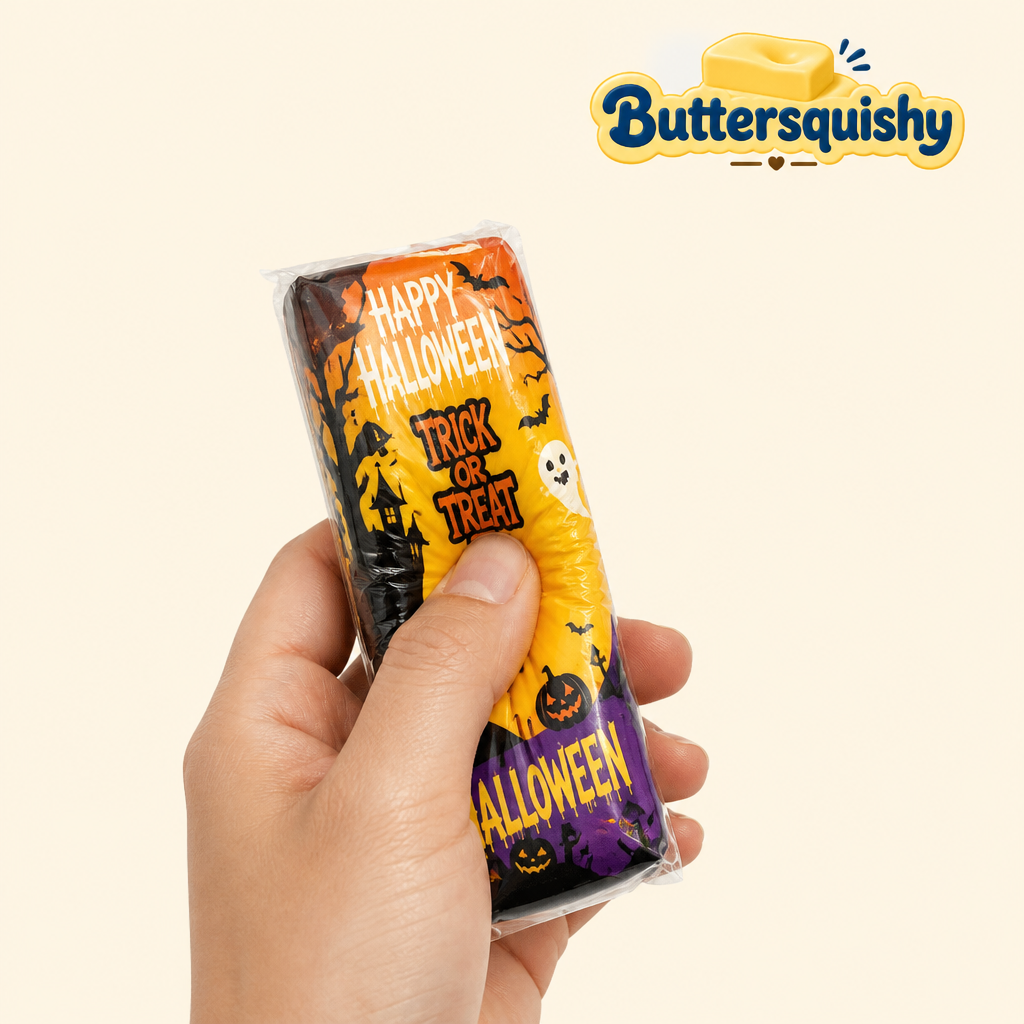 Halloween Ghost Butter 12-Pack
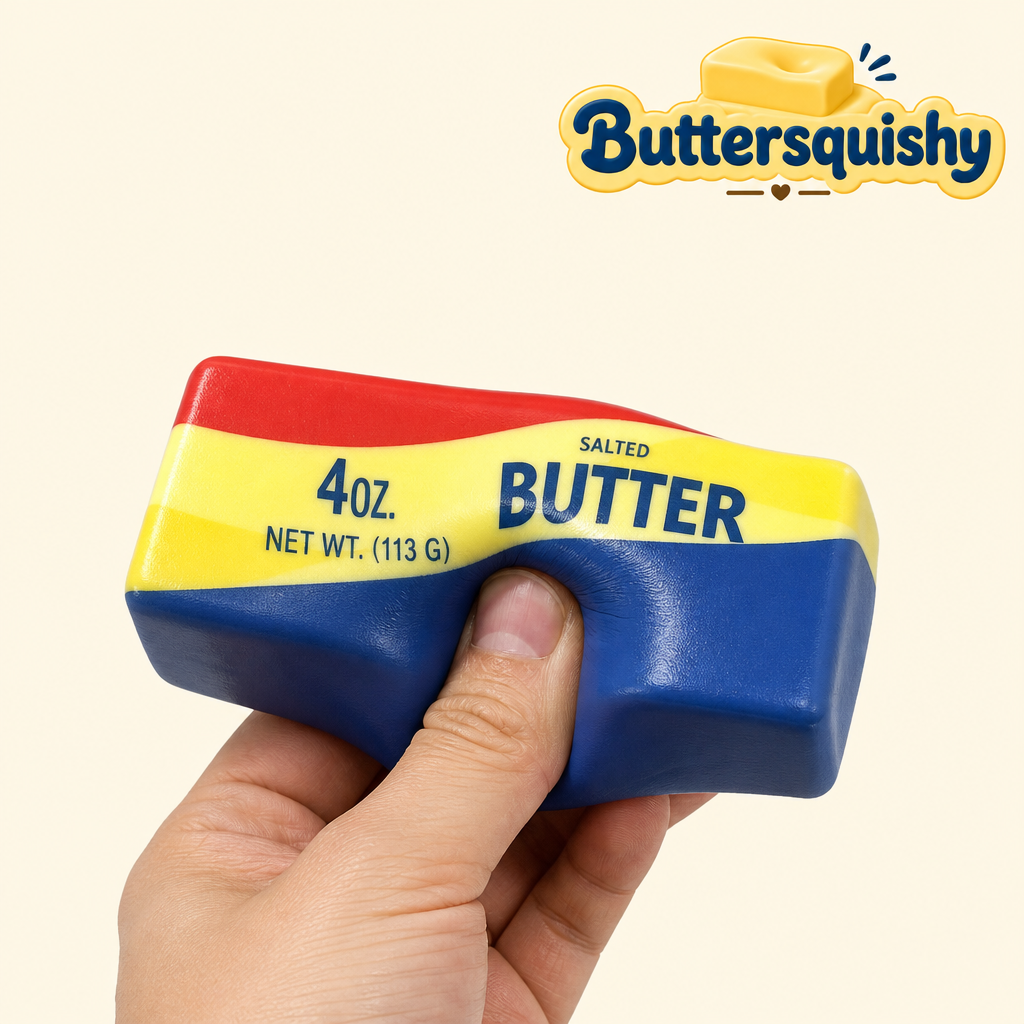 Rainbow Stripe Butter
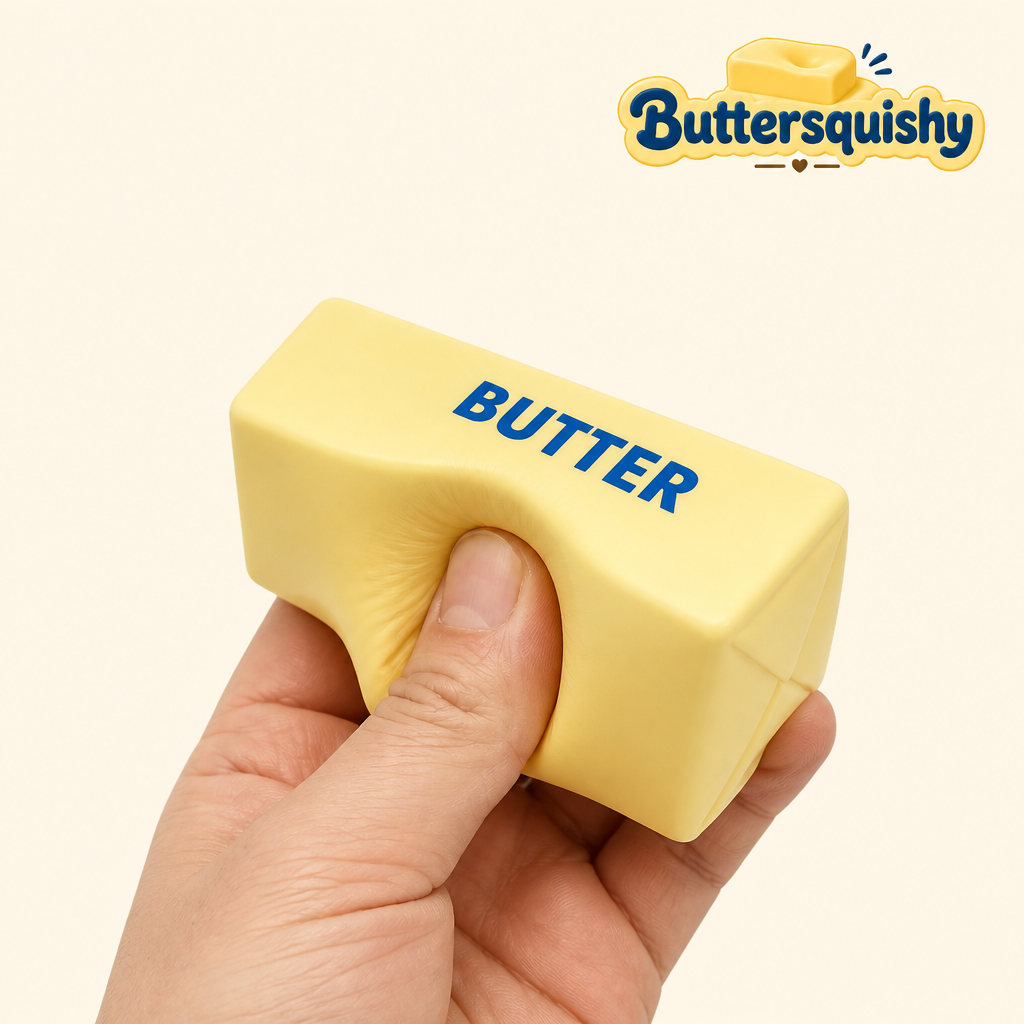 Chocolate Berry Butter 3-Pack
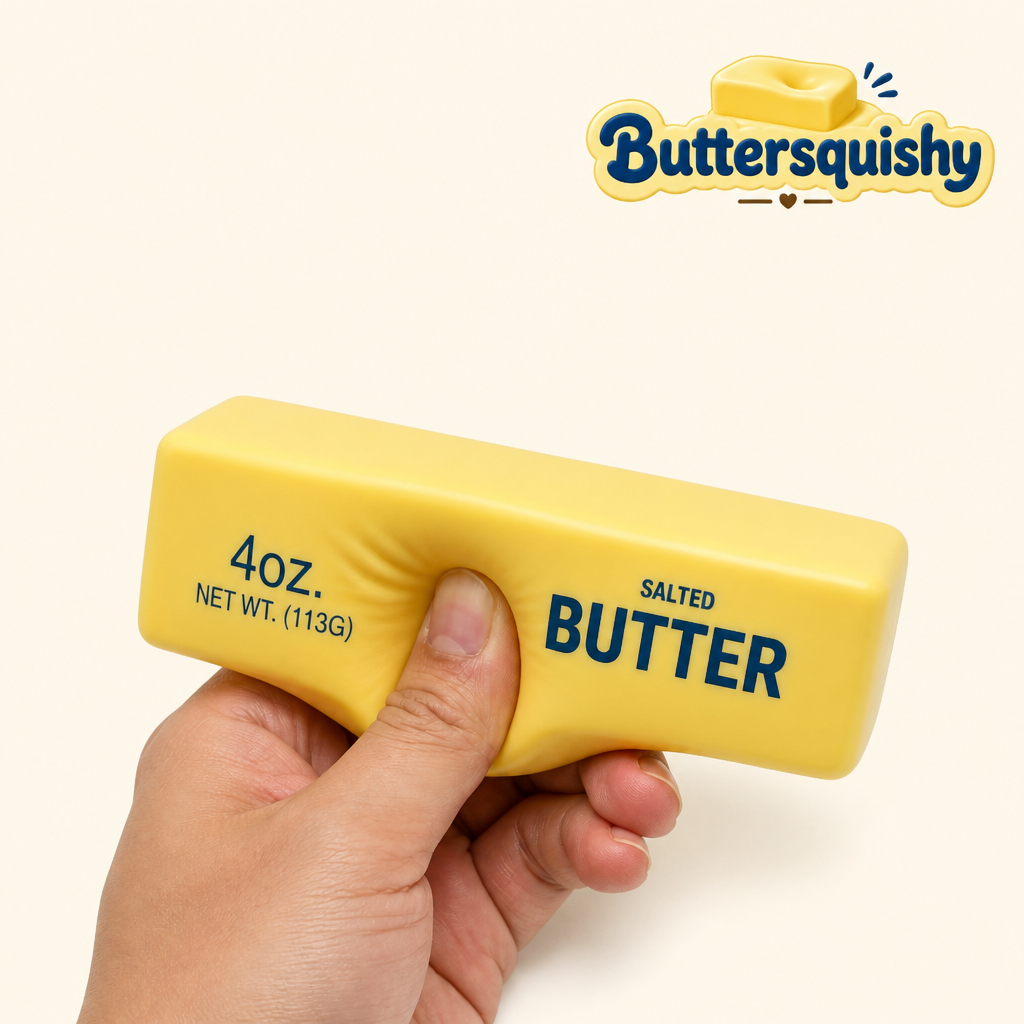 Strawberry Chocolate Butter 4-Pack
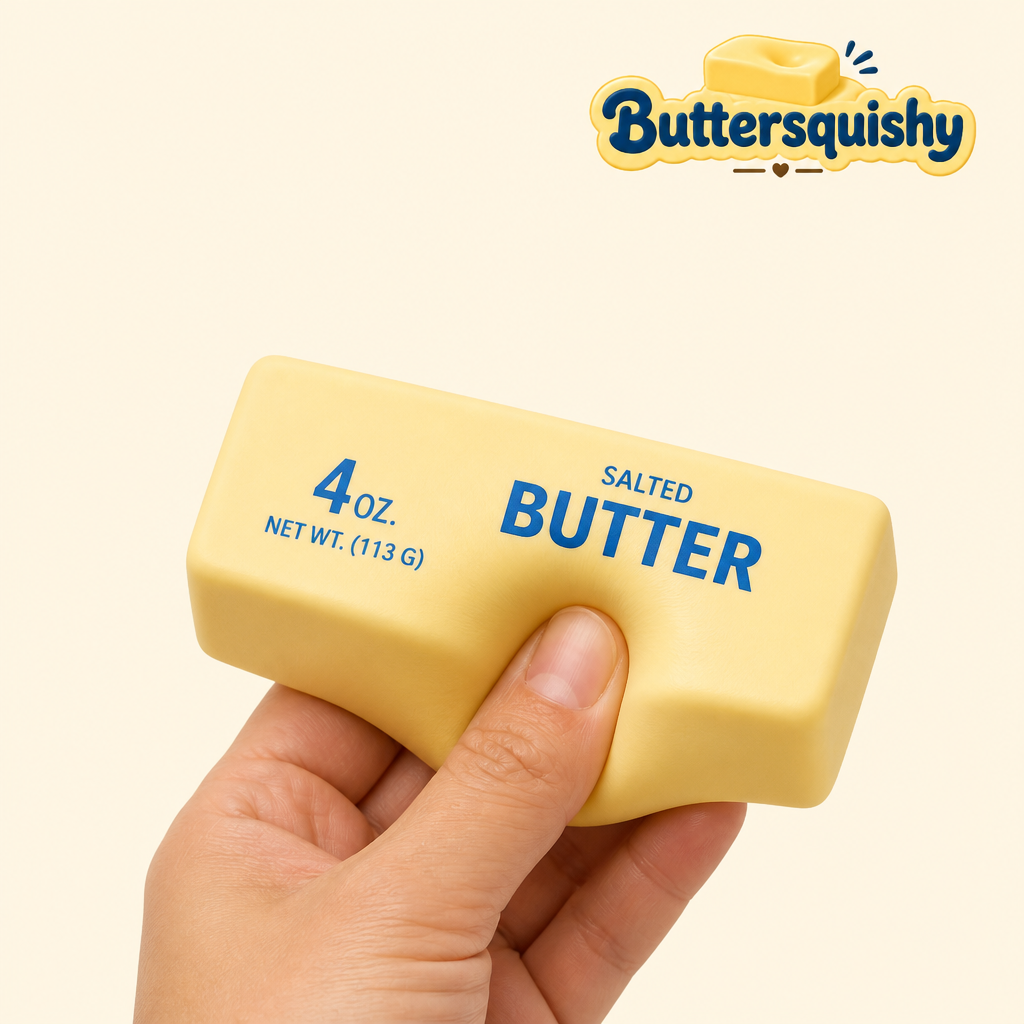 Sunset Trio Butter 3-Pack
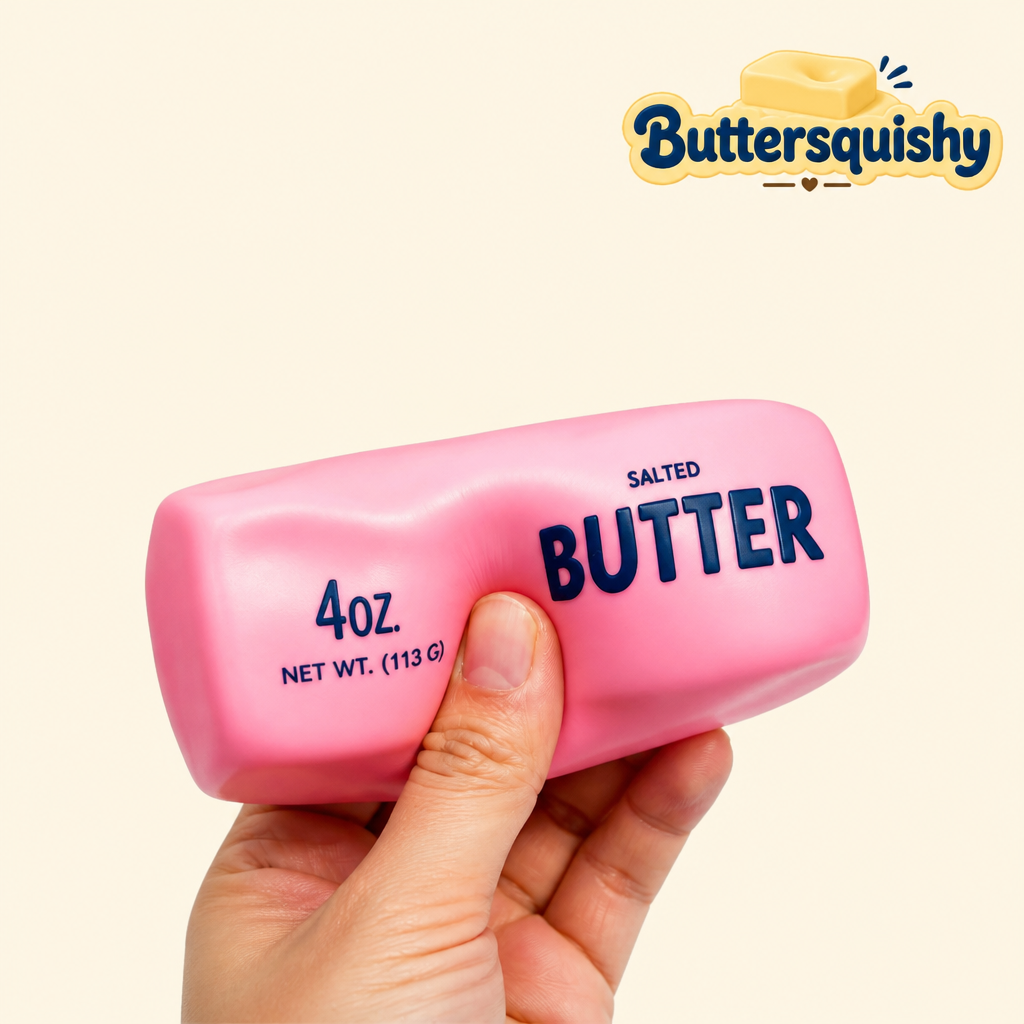 Pink Orange Crunch Butter 2-Pack
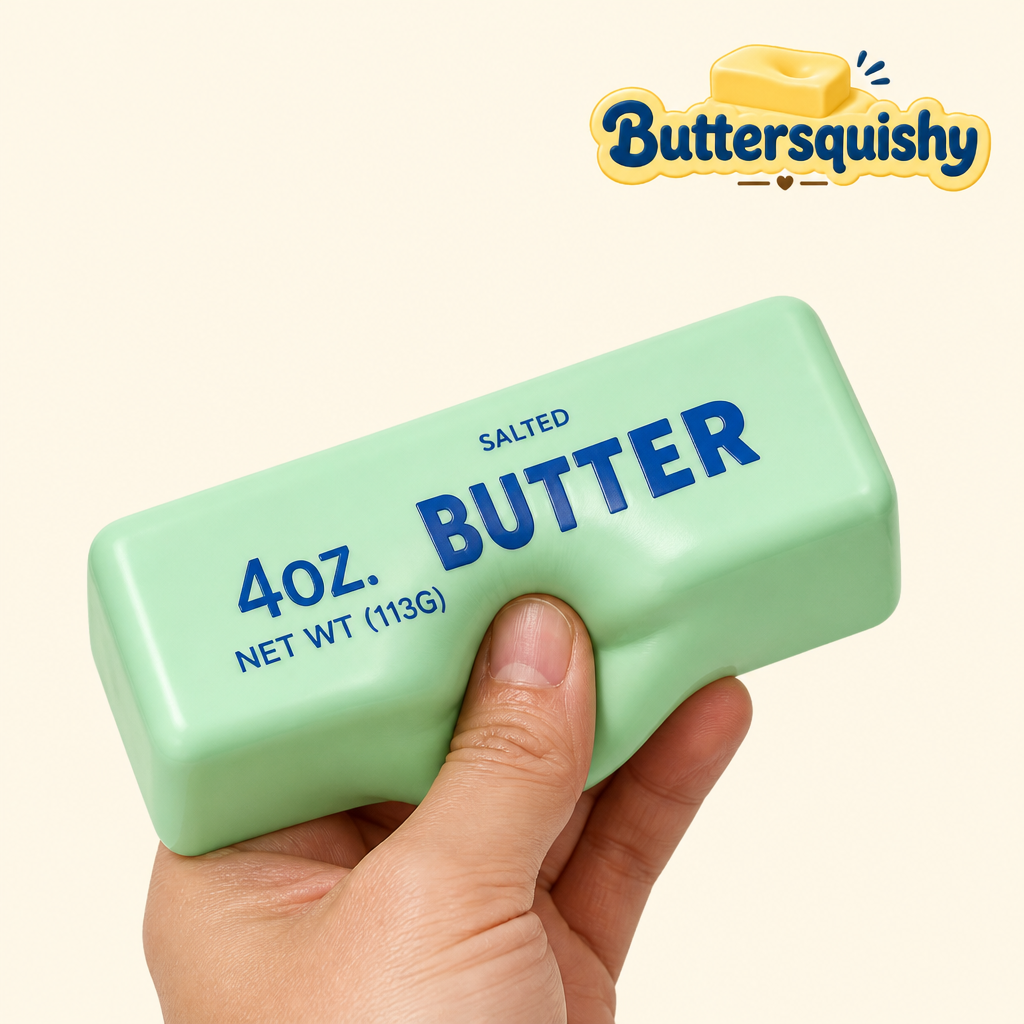 Mint Berry Crunch Butter 2-Pack
Paper Butter Squishy vs Store-Bought Slow-Rising Butter Stick: Feel & Durability
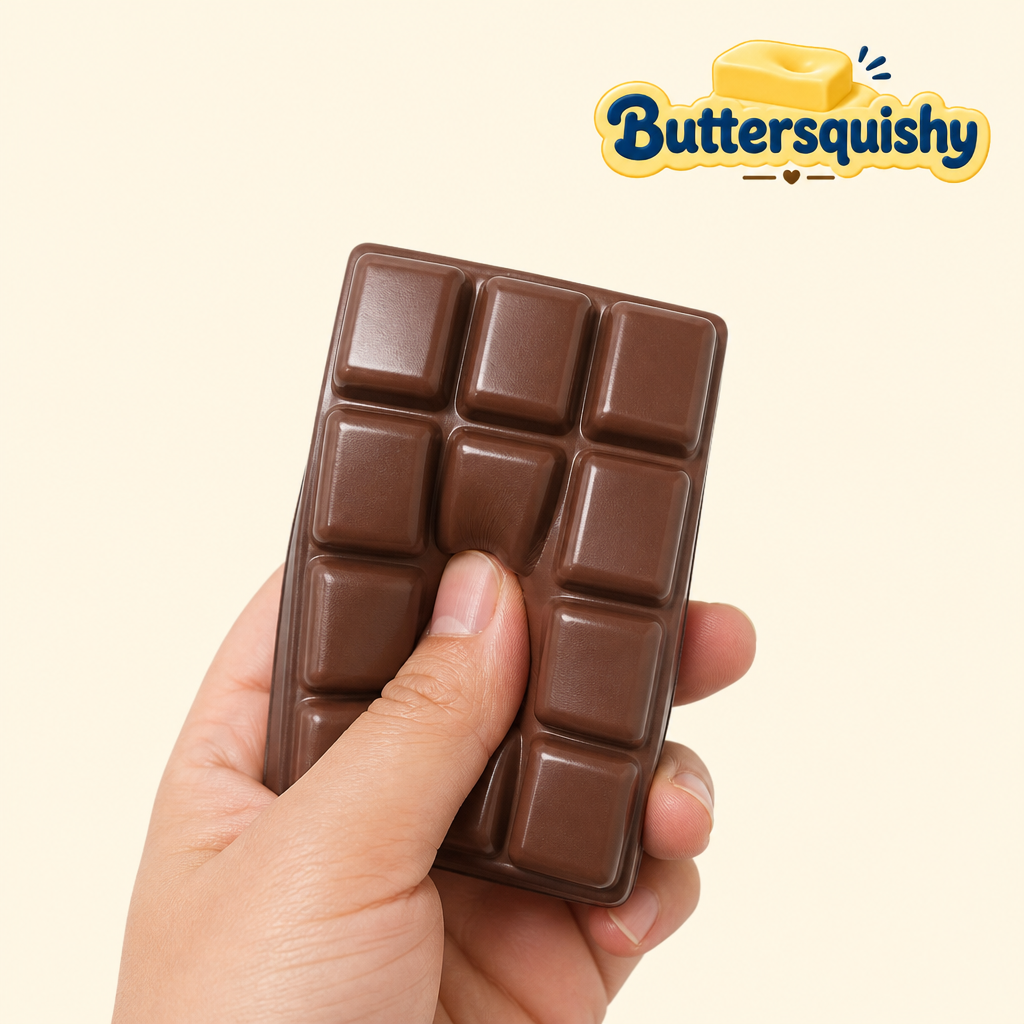
If you want to learn how to make paper butter squishy crafts, plan about 20 minutes at the table. Grab printer paper, coloring tools, scissors, clear packing tape, and loose stuffing. Homemade builds shine for original wrapper art, yet taped corners split after steady squeezing. By contrast, the molded Chocolate Butter Stick costs $9.99 USD and provides soft, slow-rise rebound rated at a rise index of 3.
Deciding between a DIY paper build and a store-bought stick hinges on prep time, interior feel, and seam life. Below, you will find assembly steps, stuffing comparisons, foam care, and U.S. toy safety rules.
How to Make Paper Butter Squishy Step by Step?
You build a paper butter squishy by laminating two matching drawings with clear packing tape, sealing three edges, adding loose fill, and closing the final seam. According to the Squishy Template step-by-step guide, the full craft takes roughly 20 minutes. Gather ordinary printer paper, markers or colored pencils, scissors, clear packing tape, and soft stuffing such as cut plastic grocery bags or cotton balls.
Before cutting out both rectangles, leave a narrow white margin around each piece. That border helps clear packing tape bond directly to tape instead of thin paper edges. Next, layer overlapping tape strips across both drawings. According to Craft Gossip Lesson Plans, clear tape works as a homemade laminate that protects the ink, adds a glossy finish, and resists tearing.
Once laminated, align both halves, fold clear tape over three sides, and press each corner flat with a fingernail while leaving one gap open. Then tear plastic grocery bags into loose strips or pull apart cotton balls before filling. Stop before the pouch feels tight so trapped air can move freely, then seal the final edge with a second strip of tape.
Custom artwork is the biggest draw for home crafters. For example, in a Reddit r/CoolCollections thread showcasing homemade paper food squishies, commenters praised the original drawings and shiny taped surfaces. One commenter even suggested testing felt and hot glue for future builds. Therefore, a homemade craft wins whenever drawing your own butter label is half the fun.
How Do Paper Stuffing Feel and a Slow-Rising Butter Stick Compare?
Hand feel separates a taped paper pocket from a molded slow-rising butter stick, because paper crafts compress trapped air while molded pieces flex continuous soft foam. According to Craft Gossip Lesson Plans, lightly crumpled plastic produces a crunchier texture, whereas soft sponge or foam scraps give a gentler bounce. Meanwhile, Squishy Template warns that overstuffing cotton or plastic turns the pouch firm instead of slow-rising.
Store-bought butter toys also differ across brands. For instance, in a Reddit r/OutOfTheLoop thread about viral squishy butter toys, commenters said creators promoted them because viewers enjoyed the feel. One parent compared their child’s stick to a latex stress ball, while another disliked a strong butter smell. By contrast, Buttersquishy lists the Chocolate Butter Stick at $9.99 USD as a soft, slow-rise butter squishy rated at a rise index of 3. Its segmented brown bar indents under a thumb press without tape crinkle.
Compare build time, shell construction, interior rebound, weak points, and cost side by side before picking a route. A paper craft uses household supplies for minimal cash outlay, whereas a molded stick trades custom drawing for one-piece durability and quieter daily handling.
| Factor | DIY Paper Butter Squishy | Chocolate Butter Stick |
|---|---|---|
| Prep Time | About 20 minutes of drawing, taping, and stuffing | Ready to squeeze out of the box |
| Outer Shell | Printer paper laminated with clear packing tape | One-piece molded soft butter squishy |
| Interior & Rebound | Loose bags, cotton, or sponge; depends on air room | Soft, slow-rise rebound at rise index 3 |
| Sound & Weak Point | Plastic crinkles; taped corners open first | Quiet thumb press; watch paint if scrubbed |
| Price | Everyday craft supplies | $9.99 USD |
Durability, Seam Failure, and Ongoing Care
Homemade paper squishies last longest under light play, because rectangular corners absorb peak air pressure on every squeeze. According to Craft Gossip Lesson Plans, corners are usually the first seams to open if tape is not pressed down firmly. In addition, Squishy Template suggests removing extra stuffing when seams pop open, then wrapping a second perimeter tape strip. Even reinforced tape adhesive loosens after heavy daily handling.
Painted slow-rising PU foam squishies avoid taped-seam blowouts, yet their surface coating still demands careful cleaning. According to the Ruiwo Toys safety and cleaning checklist, always lift dust and lint with a dry soft cloth first. If spot cleaning is necessary, wring out a lightly damp cloth and dab instead of scrubbing. Stop at once if any paint transfers, never soak or machine-wash foam squishies, and air-dry them away from direct heat.
Keep this quick build and care checklist handy before crafting or wiping down a desk piece:
- Leave a narrow white paper border so clear packing tape bonds tape-to-tape.
- Add loose torn plastic strips, cotton balls, or sponge scraps so air can move inside.
- Press every corner flat and apply a second perimeter tape layer if edges lift.
- Dust painted foam squishies with a dry soft cloth before trying damp spot-dabbing.
- Air-dry damp foam away from direct heat and store pieces out of linty pockets.
Age Safety, Toy Standards, and Retirement Checks
Neither a paper craft nor a molded butter squishy is edible food or a medical device. Also, a soft texture never makes a squeeze toy safe for toddlers. According to Ruiwo Toys, keep food-shaped toys away from real snacks and keep small pieces or discarded bags away from young children. Likewise, craft safety notes advise keeping loose stuffing away from toddlers and skipping plastic-bag fill altogether for children under 3.
When buying manufactured toys in the United States, federal rules set clear scope boundaries. According to U.S. CPSC toy safety business guidance, Section 106 of the CPSIA under 16 C.F.R. part 1250 makes ASTM F963 mandatory for children’s toys intended for children under 14. Meanwhile, CPSC third-party lab testing and a Children’s Product Certificate apply to products designed or intended primarily for children 12 and under. Before play, inspect every seam and painted surface, and retire any squishy once seams split or coatings peel.
Should You Craft at Home or Buy the Chocolate Butter Stick?
Pick a 20-minute craft session when custom artwork is your goal. Following how to make paper butter squishy steps lets crafters test cotton against sponge fill using printer paper and packing tape.
Choose a molded stick for steady daily squeezing without peeling tape corners. The Chocolate Butter Stick is a soft, slow-rise butter squishy rated at a rise index of 3 for $9.99 USD. Routine care takes only a dry cloth or light damp wipe before air-drying. You can also compare other butter designs in the Shop.
Frequently Asked Questions
How to make paper butter squishy crafts rebound slower?
Leave space for trapped air instead of stuffing the laminated pocket tight. Loose cotton balls or cut plastic grocery bags compress softer than dense fill, which makes the shape stiff. For example, switching from crumpled plastic to soft sponge or foam scraps cuts down crinkling and produces a steadier bounce. Still, a taped paper pocket rebounds faster than a one-piece foam stick.
Why do paper butter squishy corners split during squeezing?
Internal air pressure concentrates at sharp corners whenever fingers press the middle of a rectangular pouch, so loose tape lifts there first. In practice, leaving a narrow white border for tape-to-tape contact reduces seam strain. Removing a pinch of stuffing and wrapping a second tape strip around the perimeter helps too. Discard the craft once split seams expose loose fill.
Are homemade or store-bought butter squishies safe for children under 3?
No, because loose cotton, torn plastic-bag strips, and peeling foam fragments create hazards for toddlers. For instance, keep food-shaped squeeze toys away from real snacks so young kids do not confuse them with food. Avoid plastic-bag stuffing around children under 3, and retire any paper or foam piece once seams open or coatings peel.