

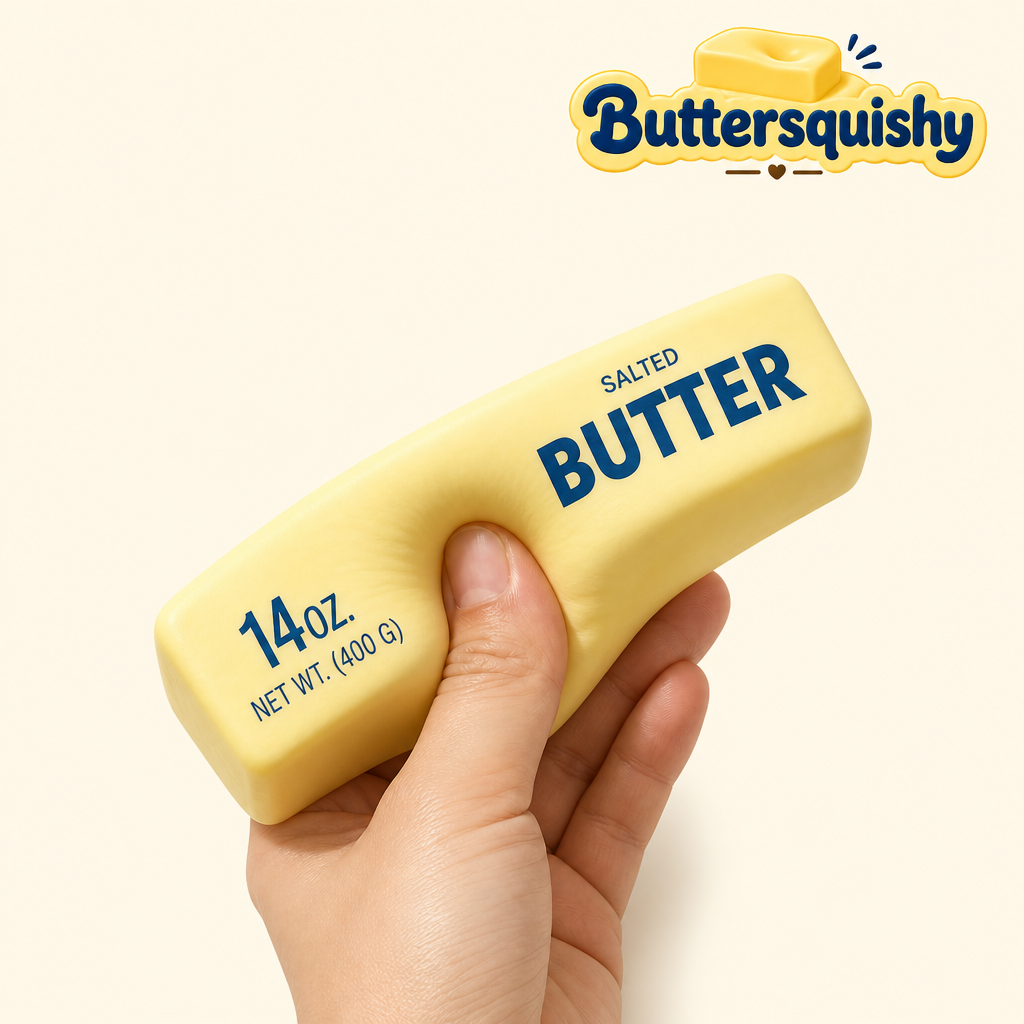
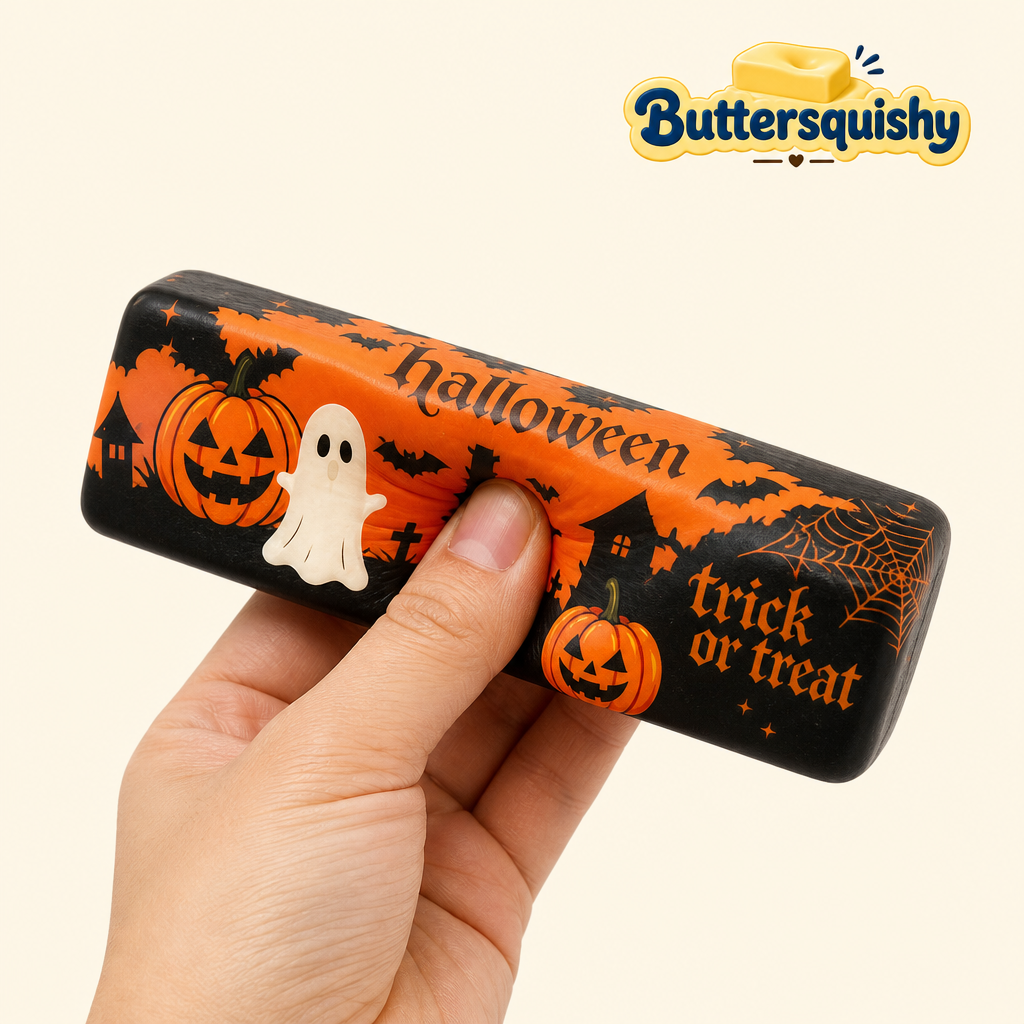
 Halloween Ghost Butter 3-Pack
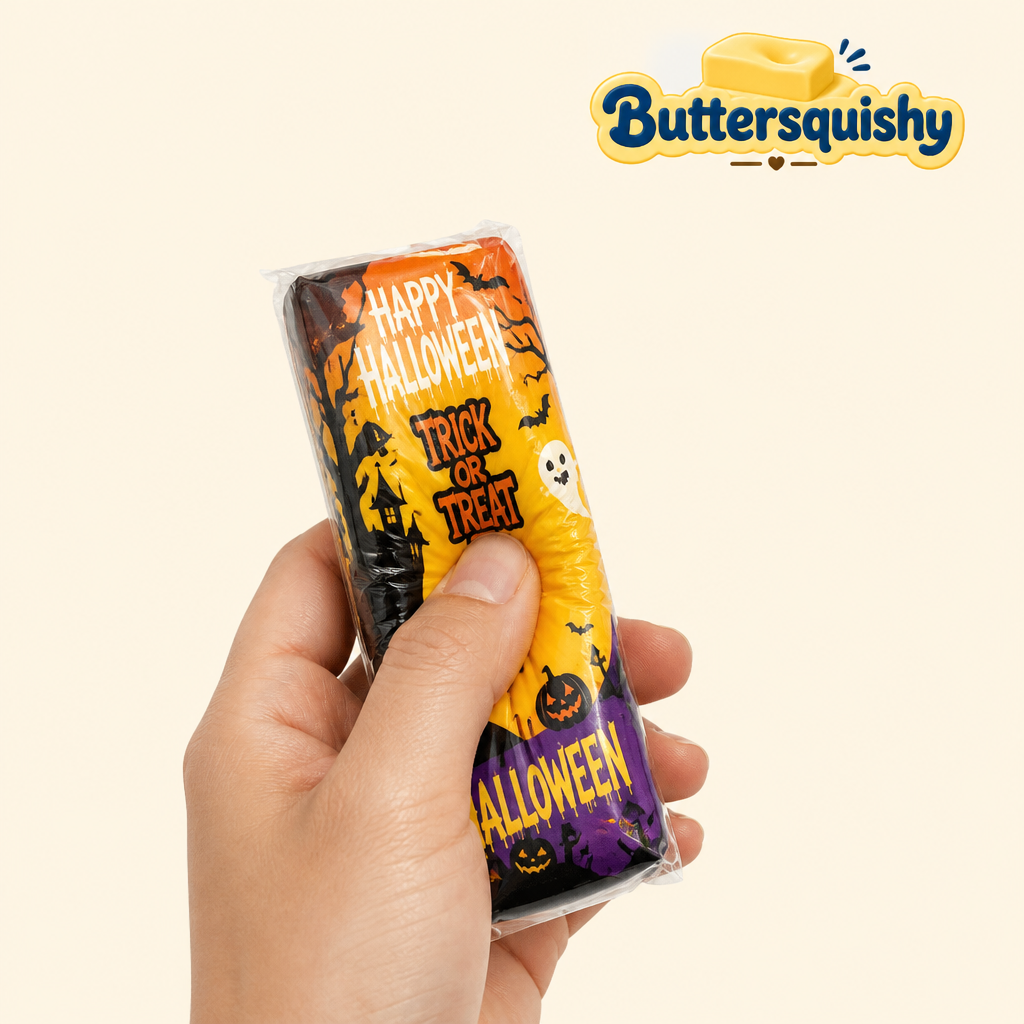 Halloween Ghost Butter 12-Pack
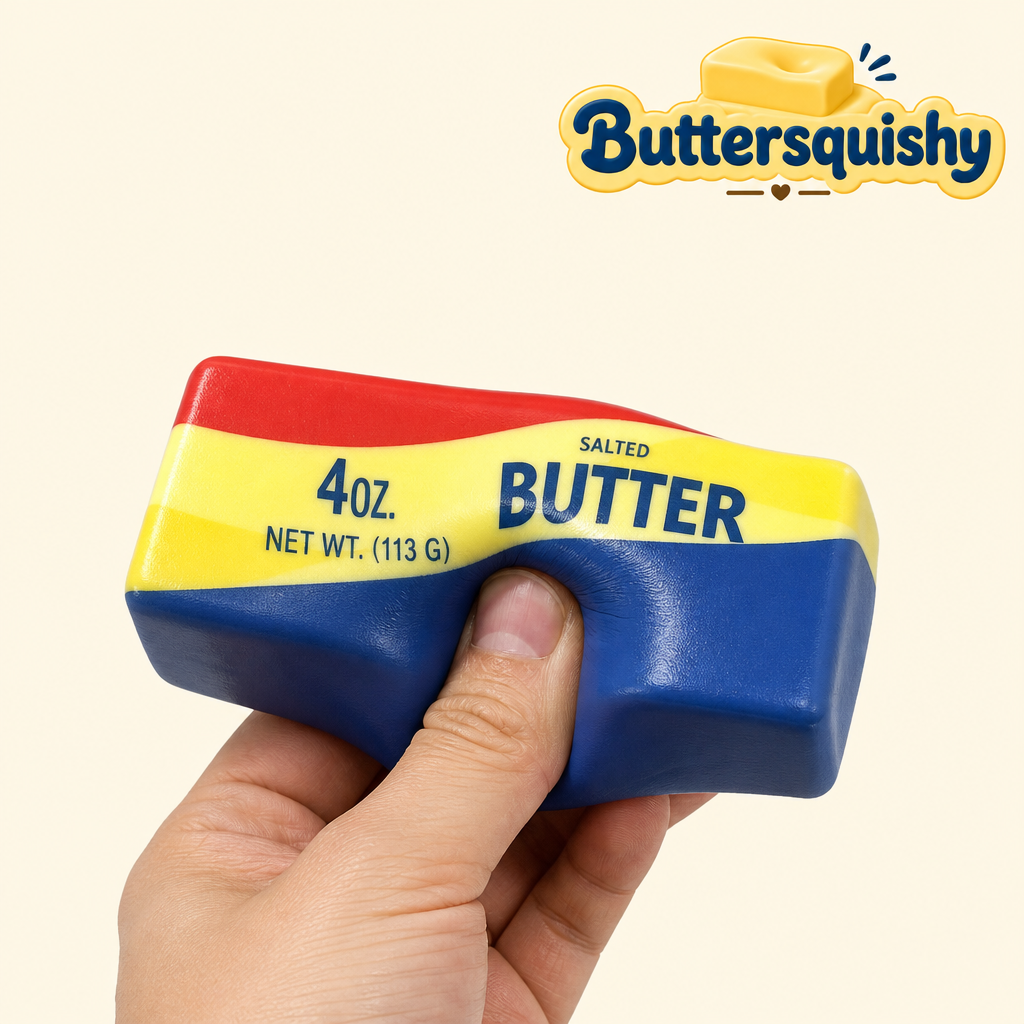 Rainbow Stripe Butter
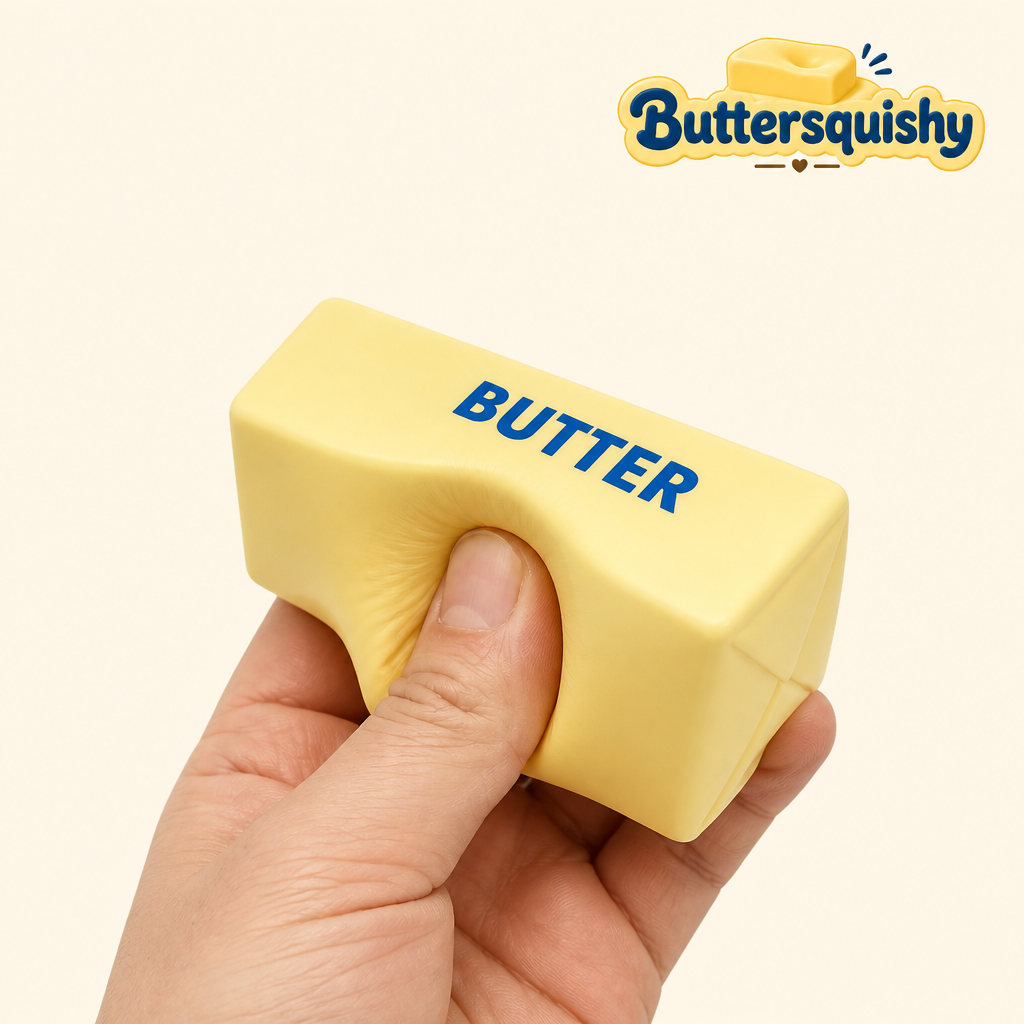 Chocolate Berry Butter 3-Pack
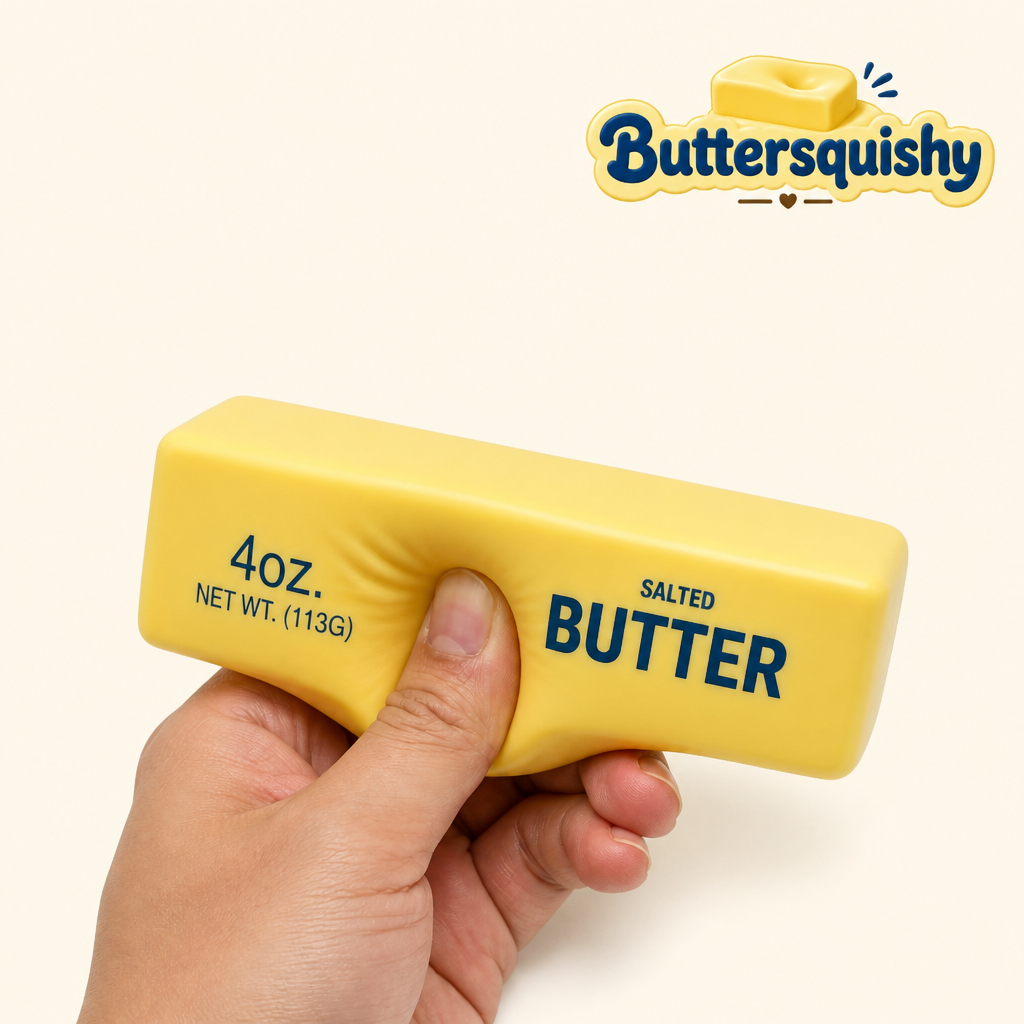 Strawberry Chocolate Butter 4-Pack
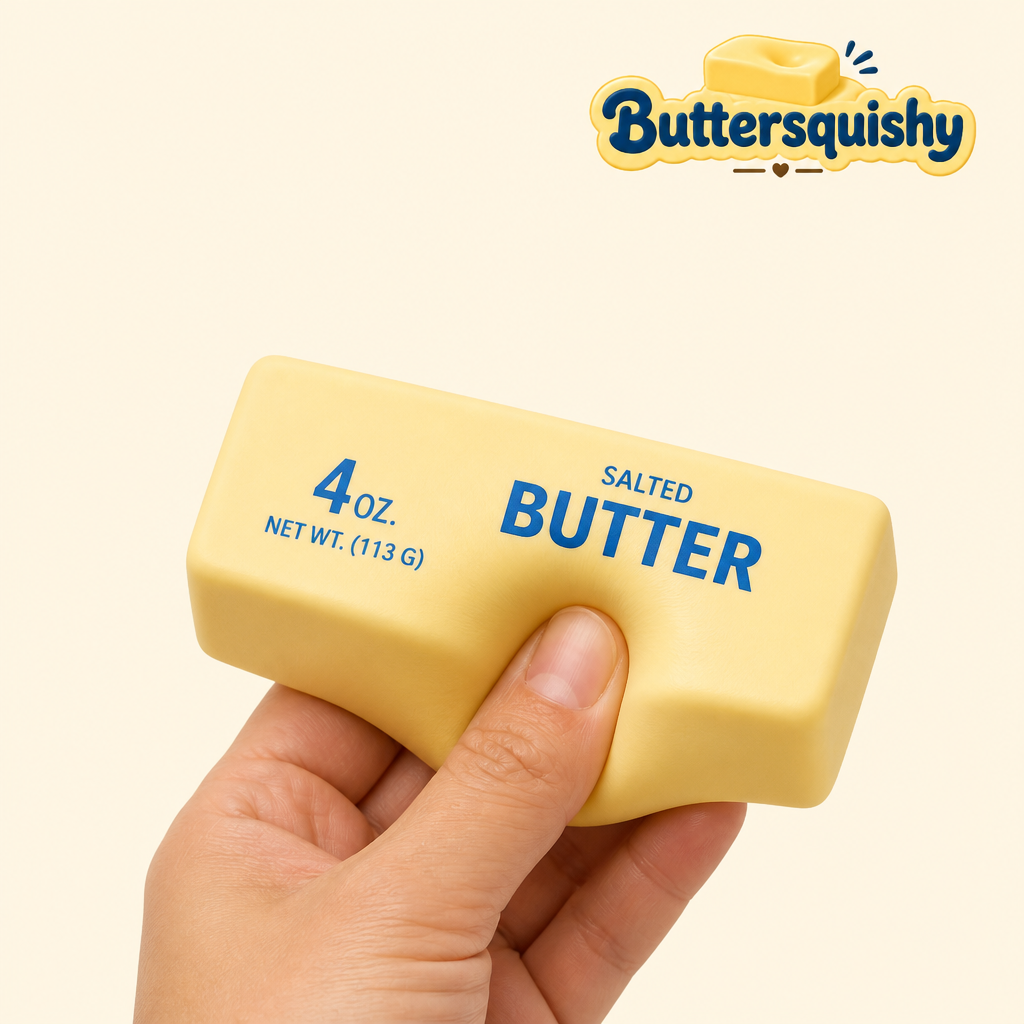 Sunset Trio Butter 3-Pack
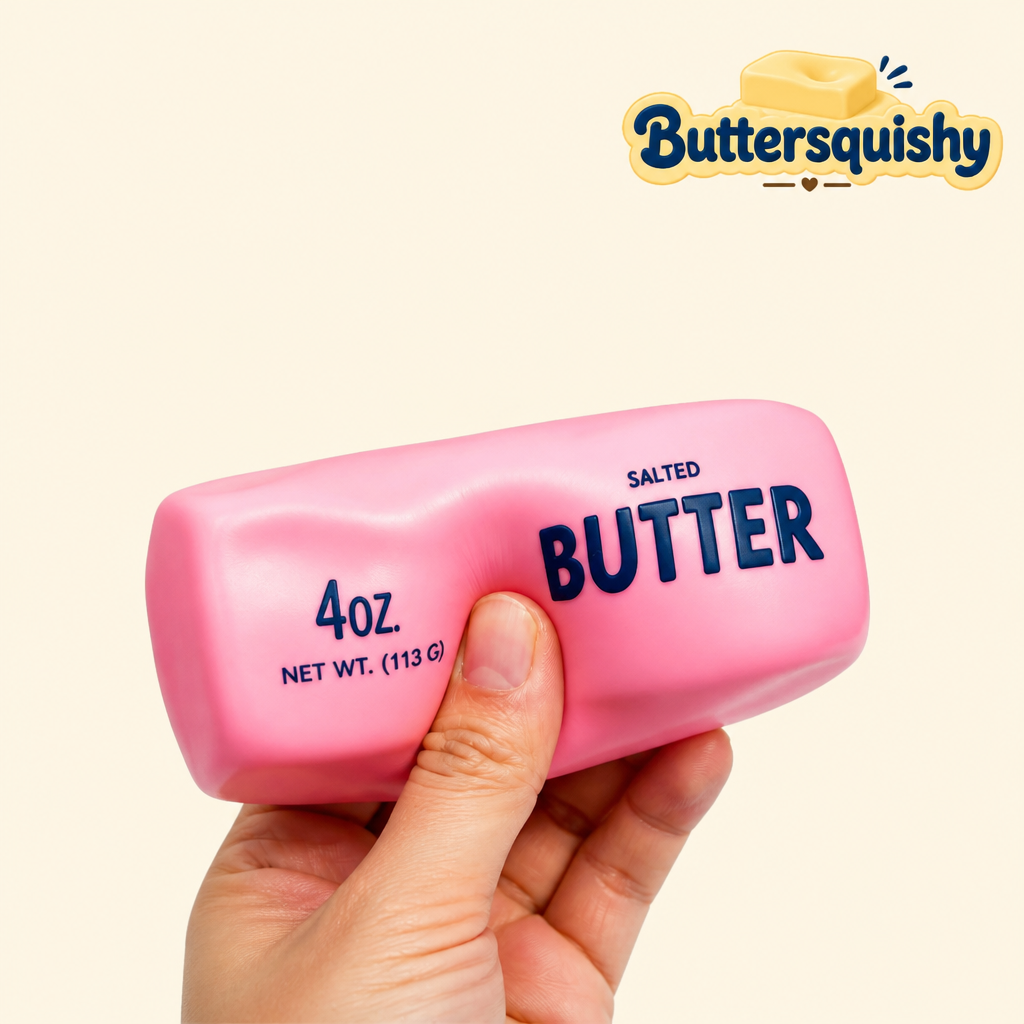 Pink Orange Crunch Butter 2-Pack
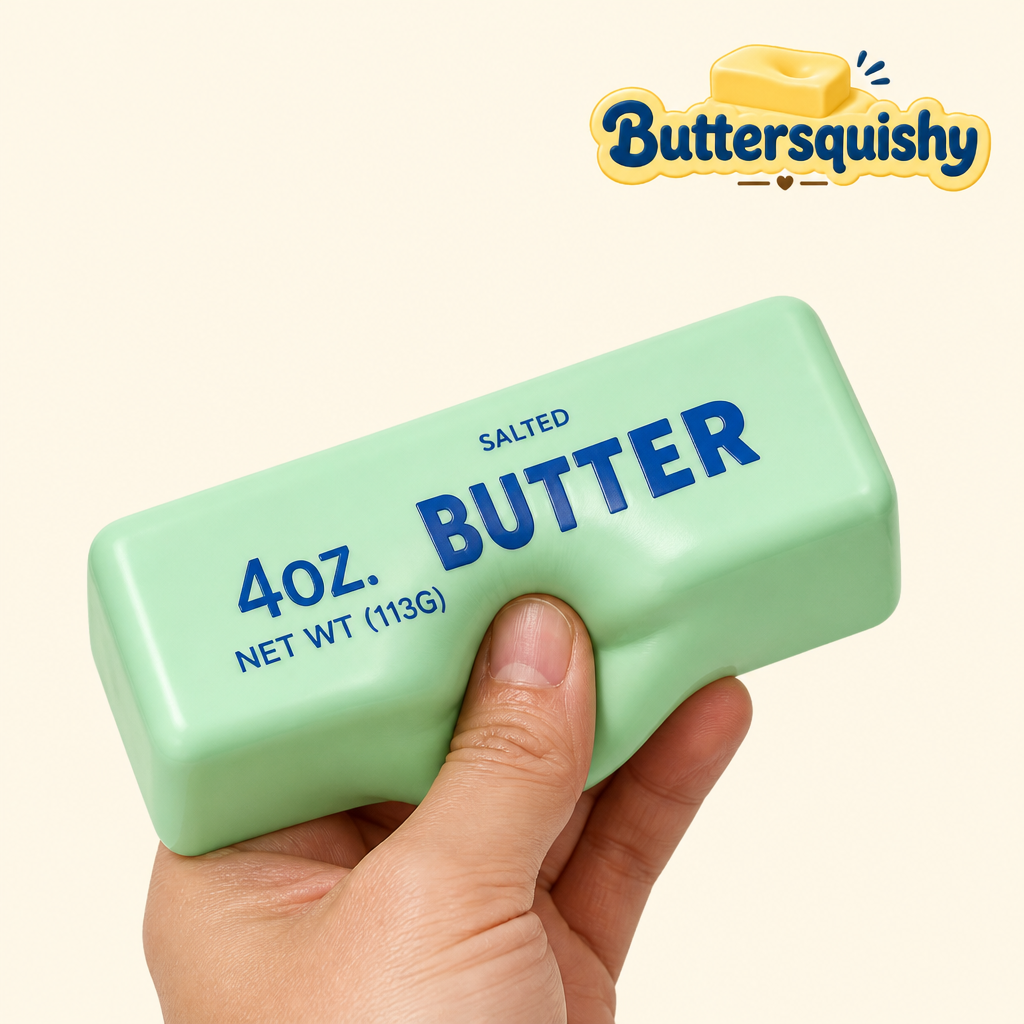 Mint Berry Crunch Butter 2-Pack
Dough Stress Ball Guide: Quiet Desk Grip, Care, and Holder Tips
A dough stress ball offers a firm squeeze that holds finger dents. By contrast, Mint Lemon Crunch Butter is a contained slow-rise squishy priced at $23.99 USD that springs back into a tidy block. Shared offices and study halls call for low noise and clean hands. Therefore, picking the right core and pairing it with a desk holder protects both focus and finish.
How Does a Dough Stress Ball Compare to Foam, Gel, and TPR?
Core material controls grip resistance, rebound pace, and moisture tolerance at your workstation. According to MindPanda’s care guide, 3 common retail constructions act differently under daily squeezing. Slow-rise foam yields at a measured pace like a firm marshmallow, yet it breaks down fast in water. Meanwhile, gel cores shift weight across your palm, whereas smooth TPR shells bounce back fast and handle light dampness better.
User feedback explains why dense dough cores feel distinct from factory foam. In a community thread on dough balls, one buyer praised doughy filling with minimal trapped air because it holds pressed shapes. However, another participant noted that a dough ball can feel stiff to squeeze. For example, buyers wanting firm hand resistance pick dense dough, while callers wanting light rebound pick slow-rise foam.
Before choosing one model, compare how these 4 squeeze toy styles behave under daily handling. Matching core resistance to your maintenance habits stops early stickiness and hand strain.
| Squeeze Toy Format | Core Feel and Grip | Shape Recovery | Surface Care Sensitivity |
|---|---|---|---|
| Dense dough-filled ball | Firm press with minimal trapped air | Holds finger impressions | Keep dry and avoid sharp nails |
| Slow-rise foam squishy | Spongy press like a firm marshmallow | Gradual rebound after release | Water sensitive; never soak |
| Gel-filled stress ball | Weight shifts across the palm | Moderate return to round shape | Avoid soaking, heat, alcohol, bleach |
| Smooth TPR or plastic shell | Slick shell with brisk pushback | Fast bounce back | Tolerates light damp wiping best |
Contained Dough Stress Ball vs Loose Putty and DIY Balloons
A contained squeeze toy is a sealed desk fidget that keeps one fixed outline under steady finger pressure. By contrast, open putty stretches into loose strands that pull dust beside your keyboard and trackpads. In a fidget community thread on playdough-style toys, one poster asked for a pressable toy that holds its silhouette without pulling apart. Consequently, commenters suggested 2 contained alternatives: retail factory squishies and flour-filled stress balls.
Both formats still carry clear durability limits during long workdays. Commenters cautioned that thin squishies tear when pinched hard, while flour-filled balls split if pierced or stressed too far. Similarly, in the dough ball buyer thread, one owner reported that 1 homemade clay balloon broke during routine handling. For example, trimming nails and choosing a sealed dough stress ball cuts split risks compared with thin DIY crafts.
What Quiet Desk Grip and Holder Habits Work in Shared Spaces?
Quiet desk etiquette pairs low-noise hardware with clear storage habits between focus blocks. According to The OT Toolbox guide on quiet fidget tools, clicking gadgets and spinners distract people nearby in shared rooms. Instead, a small squeeze ball fits quiet work better when stored inside a pencil pouch or closed box during breaks. For instance, keeping 1 tray or zippered pouch beside your monitor stops tacky skins from catching keyboard crumbs.
Grip sizing also affects how discreetly a toy works during calls. For single-hand use, a palm-sized sphere or compact block fits below the desk edge without crowding your mouse or notebook. However, always test textured or crunchy squishies at home before bringing them into a silent office. Surface crunch can carry farther than smooth foam across a still room.
Mint Lemon Crunch Butter: Verified Details and Desk Fit
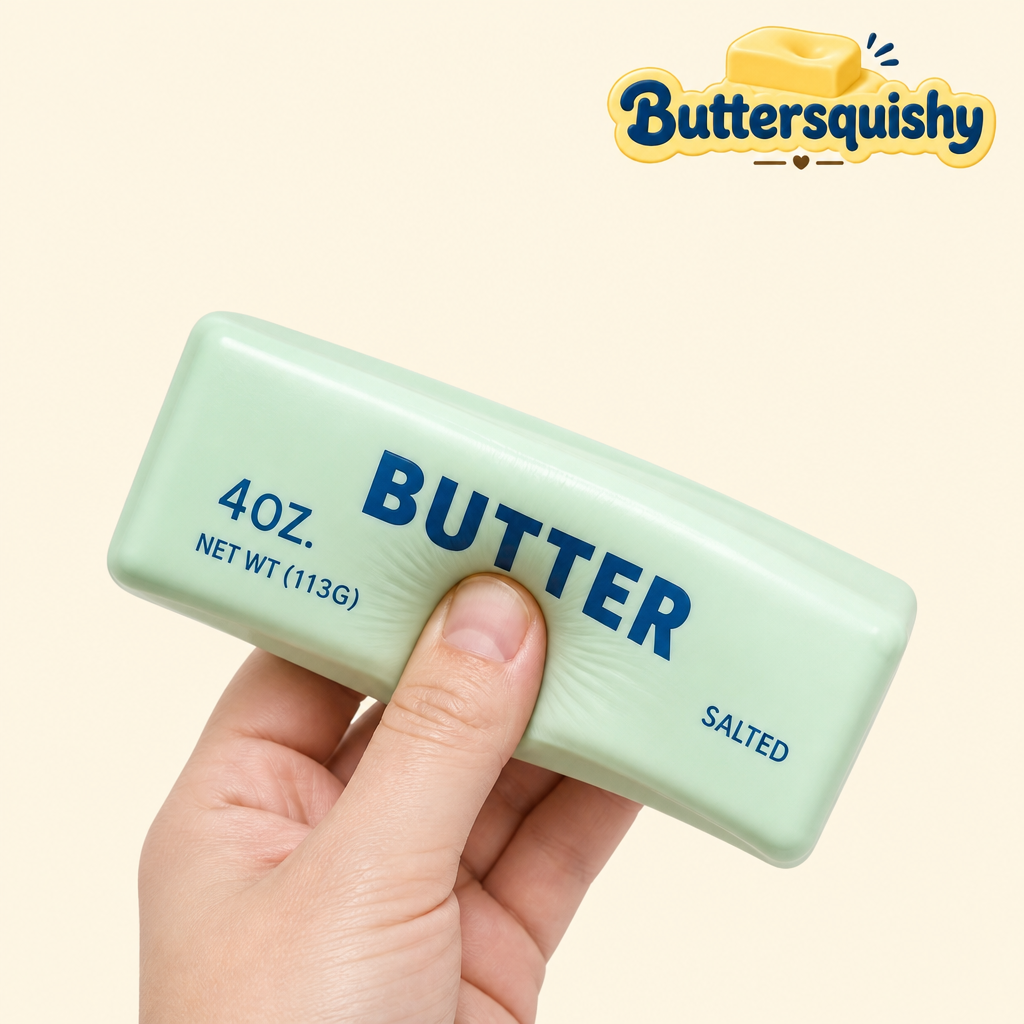
Mint Lemon Crunch Butter is a contained slow-rise, crunchy butter squishy listed by Buttersquishy at $23.99 USD with a 3-second rise index. Because it rebounds after each squeeze, it fits buyers who want automatic shape recovery instead of reshaping a dense ball by hand.
Treat this rectangular mint-green block strictly as a non-food squeeze toy rather than an edible snack or medical device. Because Buttersquishy describes its feel as crunchy, test its squeeze sound in a private room before using it at a quiet shared desk. Meanwhile, shoppers comparing other rebound styles and shapes can browse the full Shop.
How Should You Clean and Retire a Desk Squeeze Toy?
Proper stress ball care relies on dry handling, light wiping, and strict heat limits. According to MindPanda’s 4-step cleaning guide, soaking slow-rise foam causes stickiness and ruins texture. Instead, MindPanda advises spot-testing first, then wiping with a damp soft cloth plus 1 drop of mild dish soap. Follow with a clean damp cloth, air-dry thoroughly, and skip dishwashers, alcohol wipes, or bleach.
Drying choices matter just as much as soap. According to Stressball Planet’s care guide, hot water and hairdryers can melt the shell, while paper towels leave lint behind. Therefore, turn the toy while air-drying so all sides dry evenly. For example, resting it on clean microfiber away from windows prevents damp spots.
Use this 5-step weekly care and safety checklist at your desk:
- Wash and dry hands before focus blocks so skin oil stays off the shell.
- Store the toy in 1 clean pouch or tray between work sessions.
- Spot-test first, wipe with a damp soft cloth and 1 drop of mild soap, then rinse-wipe clean.
- Turn the toy while air-drying away from sunlight, heaters, hot cars, hairdryers, and paper towels.
- Discard any toy that tears, leaks, smells strongly of chemicals, or turns oily.
According to a 2026 U.S. Consumer Product Safety Commission alert, buyers should skip counterfeit squishies. Retire any leaking, chemical-smelling, or oily dough stress ball right away. Also, the CPSC warns never to microwave squishies or leave them in direct sun, hot cars, or near heaters. Heated shells can burst and cause severe burns.
Frequently Asked Questions
Why do homemade clay balloon fidgets split during office use?
Homemade latex balloons stretch thin around dense clay or flour cores, so routine pinching creates pinhole leaks and weak seams fast. In community feedback on DIY dough toys, 1 owner reported that an air-dry clay balloon craft broke under regular use, while flour ball threads warn about sudden splits when poked or over-squeezed. For example, switching to a thicker retail squishy avoids dusty spills across your keyboard.
Will a crunchy butter squishy disturb coworkers in a silent library?
A crunchy texture may produce subtle audible feedback in whisper-silent study rooms, depending on how hard you compress it. Although The OT Toolbox favors squeeze toys over clicking spinners for shared tables, Buttersquishy describes Mint Lemon Crunch Butter ($23.99 USD) as crunchy without publishing decibel figures. In practice, test 2 or 3 presses at home first to judge whether your grip stays unnoticed.
What happens if you leave a squishy toy inside a parked summer car?
High cabin heat can soften outer seams, overheat internal fillings, and trigger sudden ruptures. According to the 2026 CPSC consumer warning, squishies left in parked vehicles, direct sunlight, or near room heaters can get dangerously hot, burst, and burn skin. For instance, if a squeeze toy overheats in a glove box, turns oily, or emits a sharp chemical odor, discard it right away.