

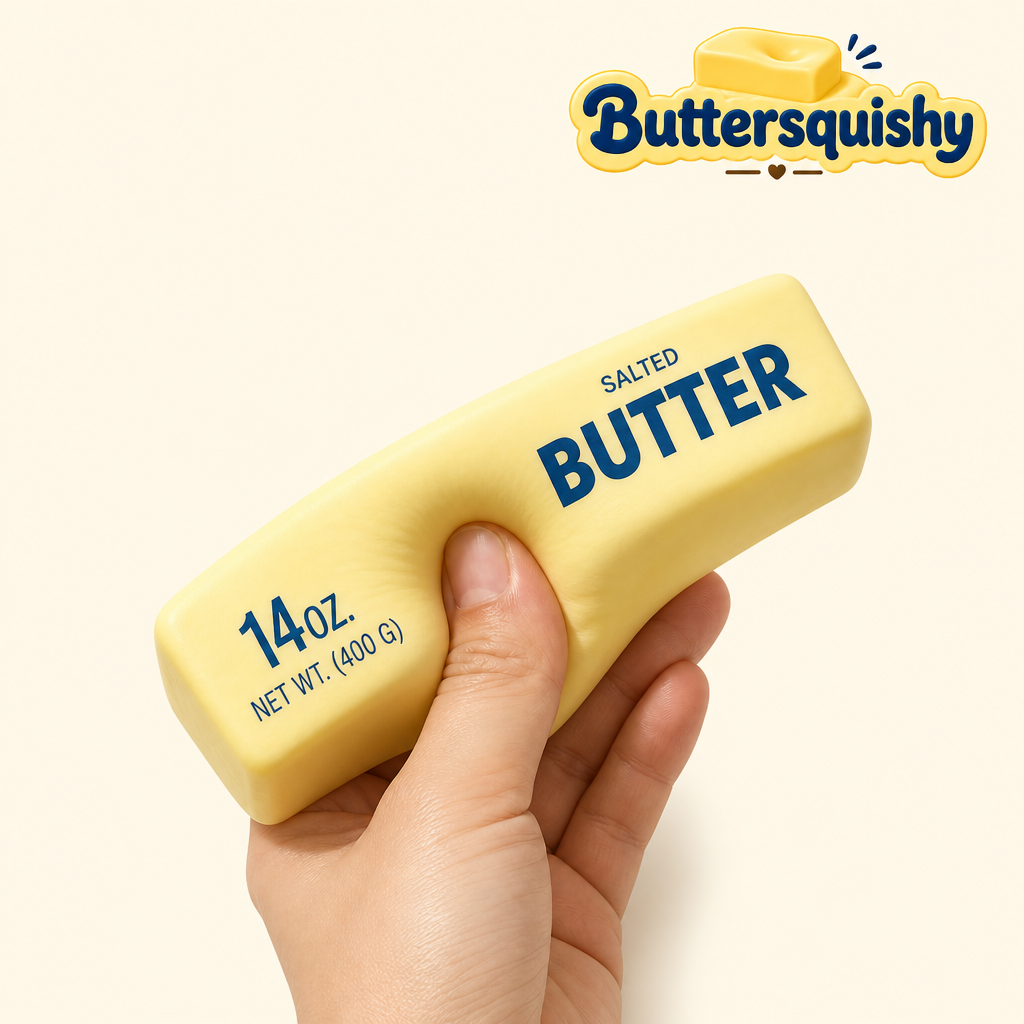
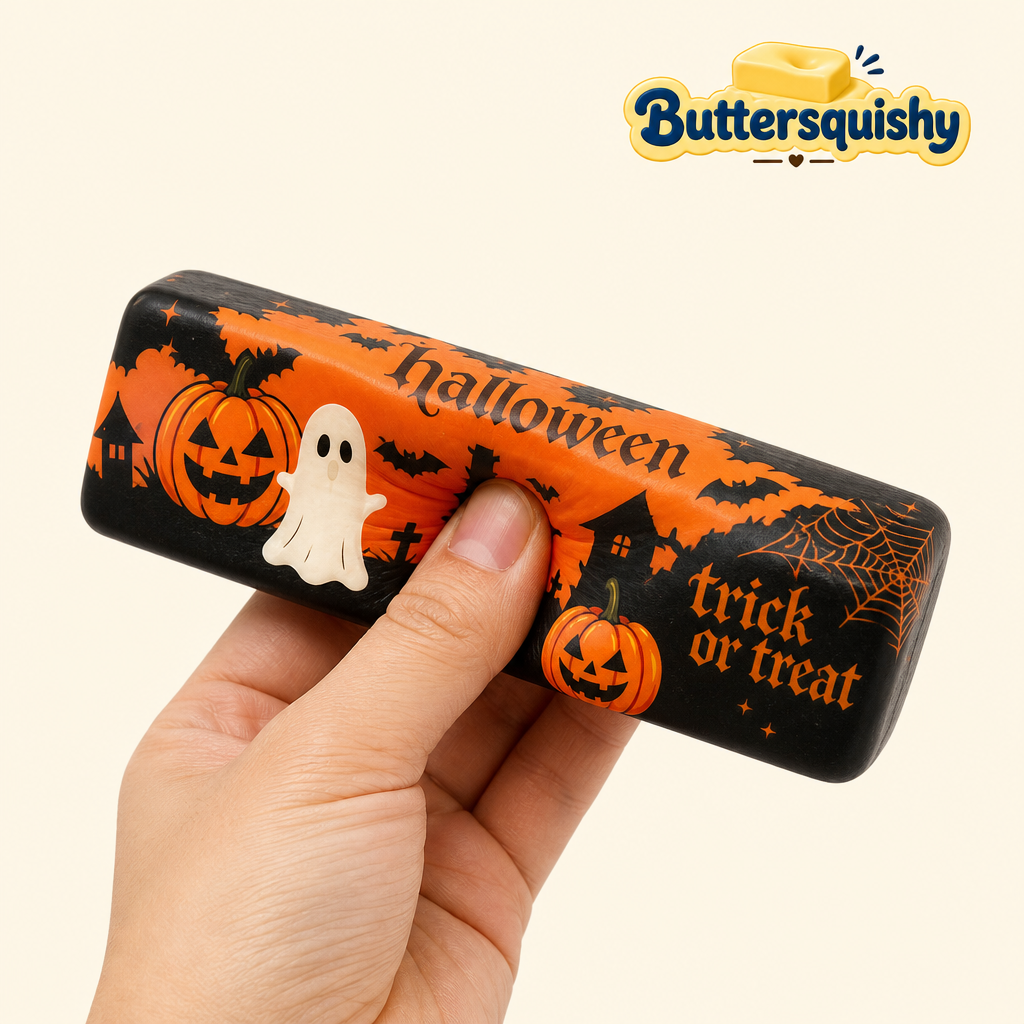
 Halloween Ghost Butter 3-Pack
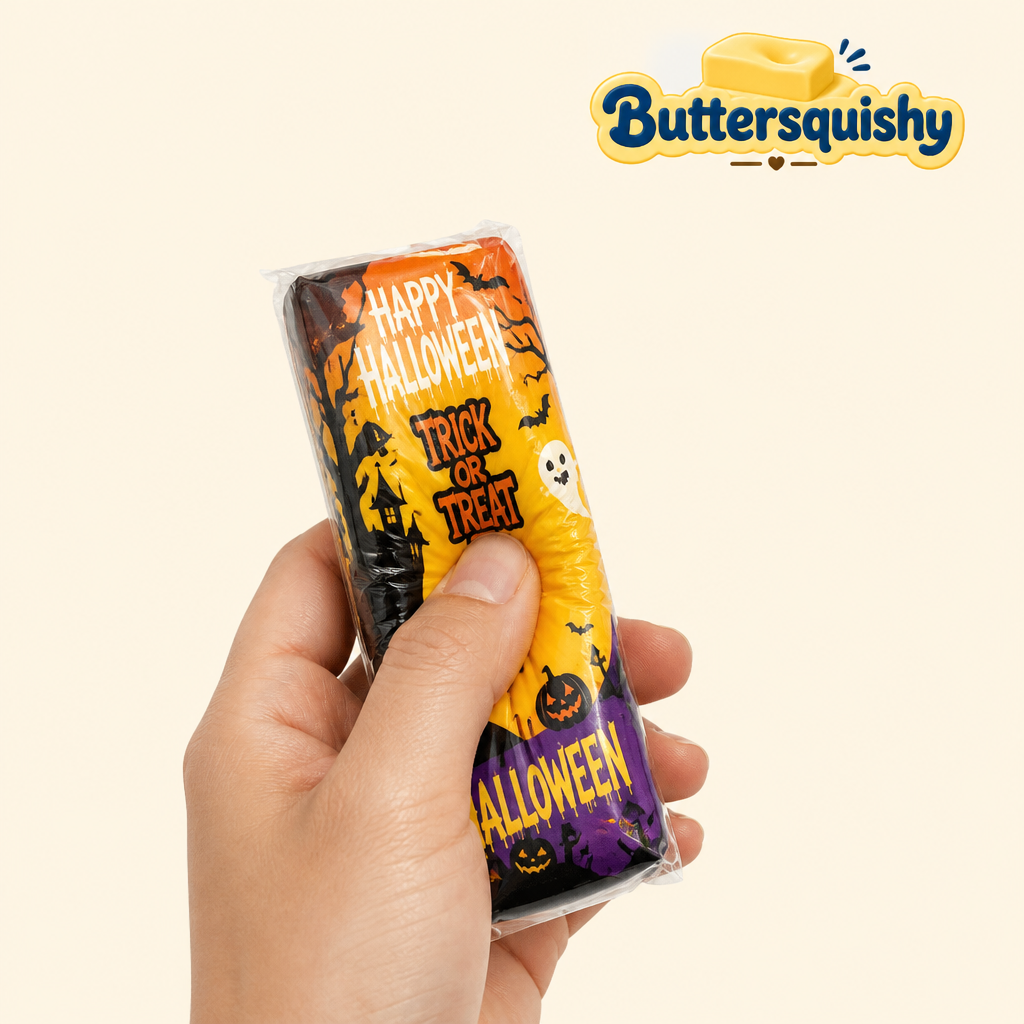 Halloween Ghost Butter 12-Pack
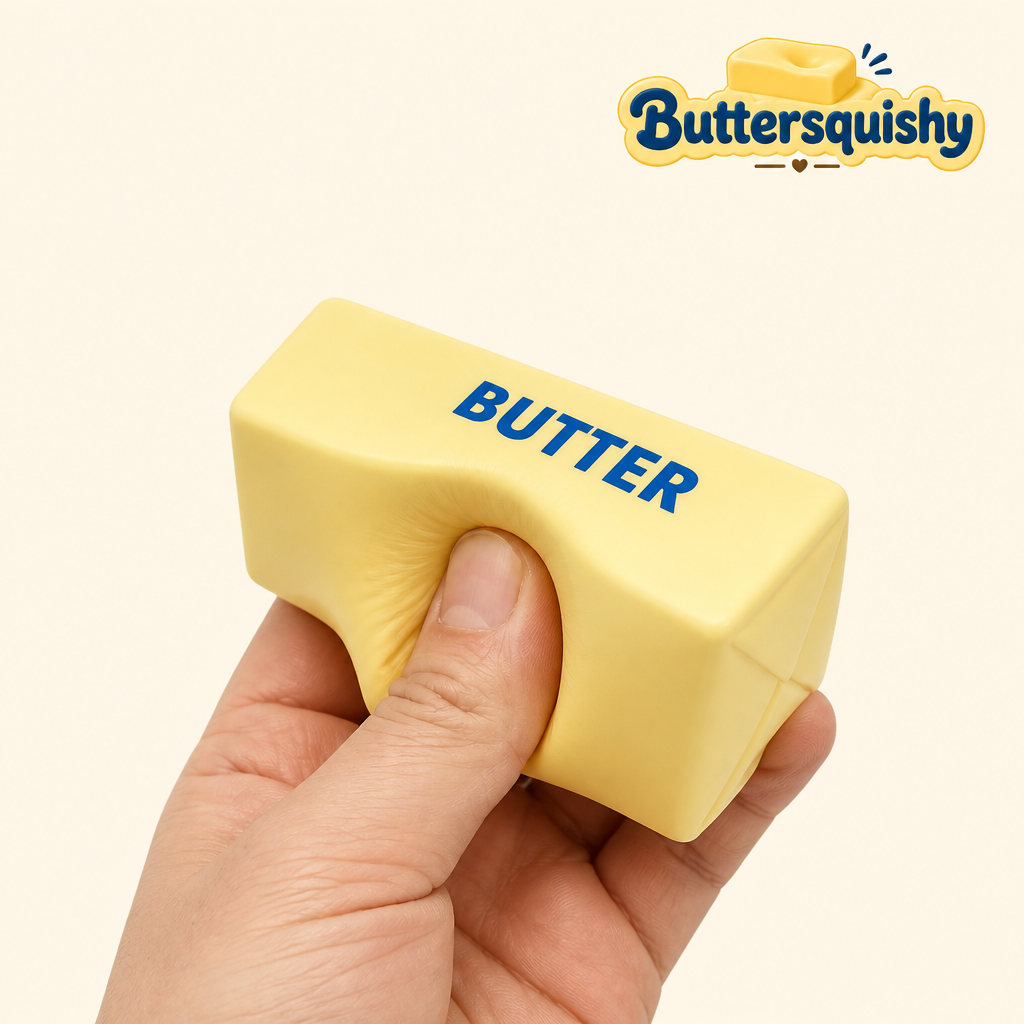 Chocolate Berry Butter 3-Pack
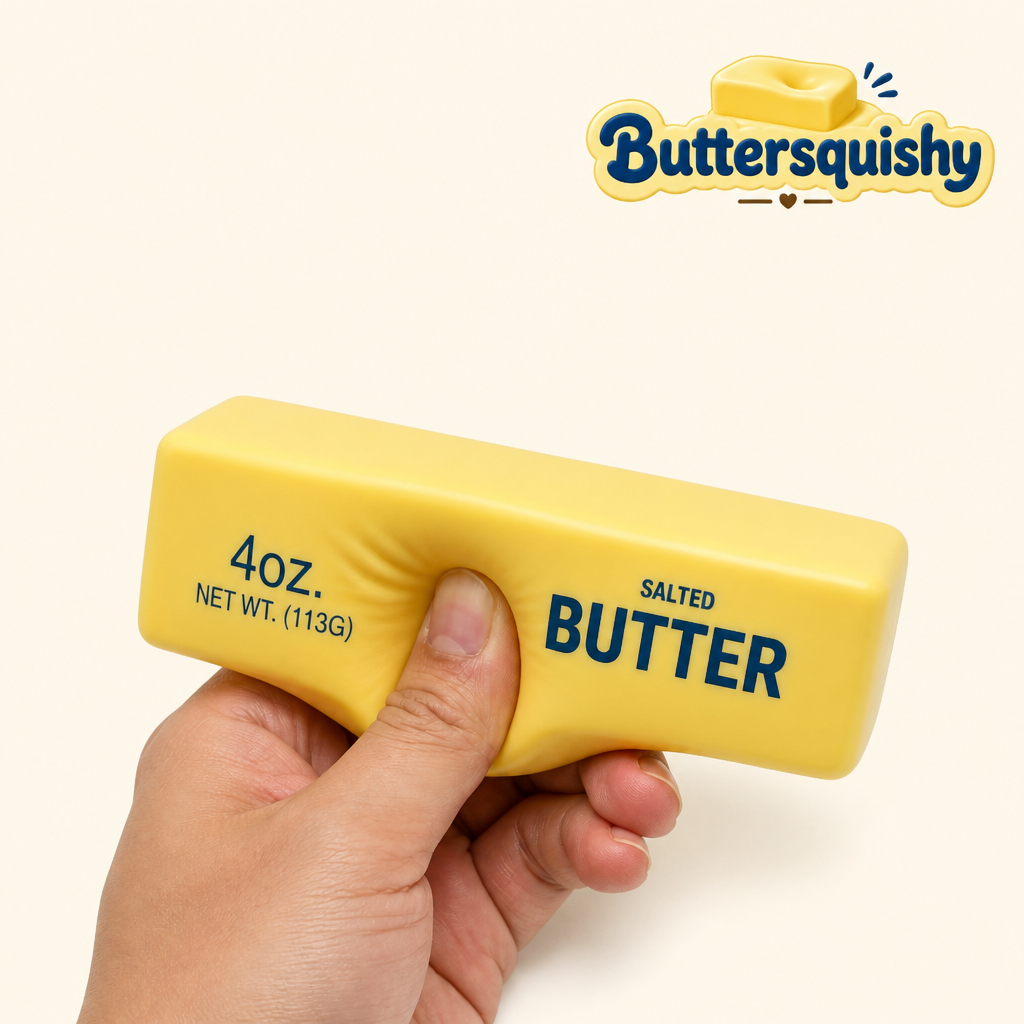 Strawberry Chocolate Butter 4-Pack
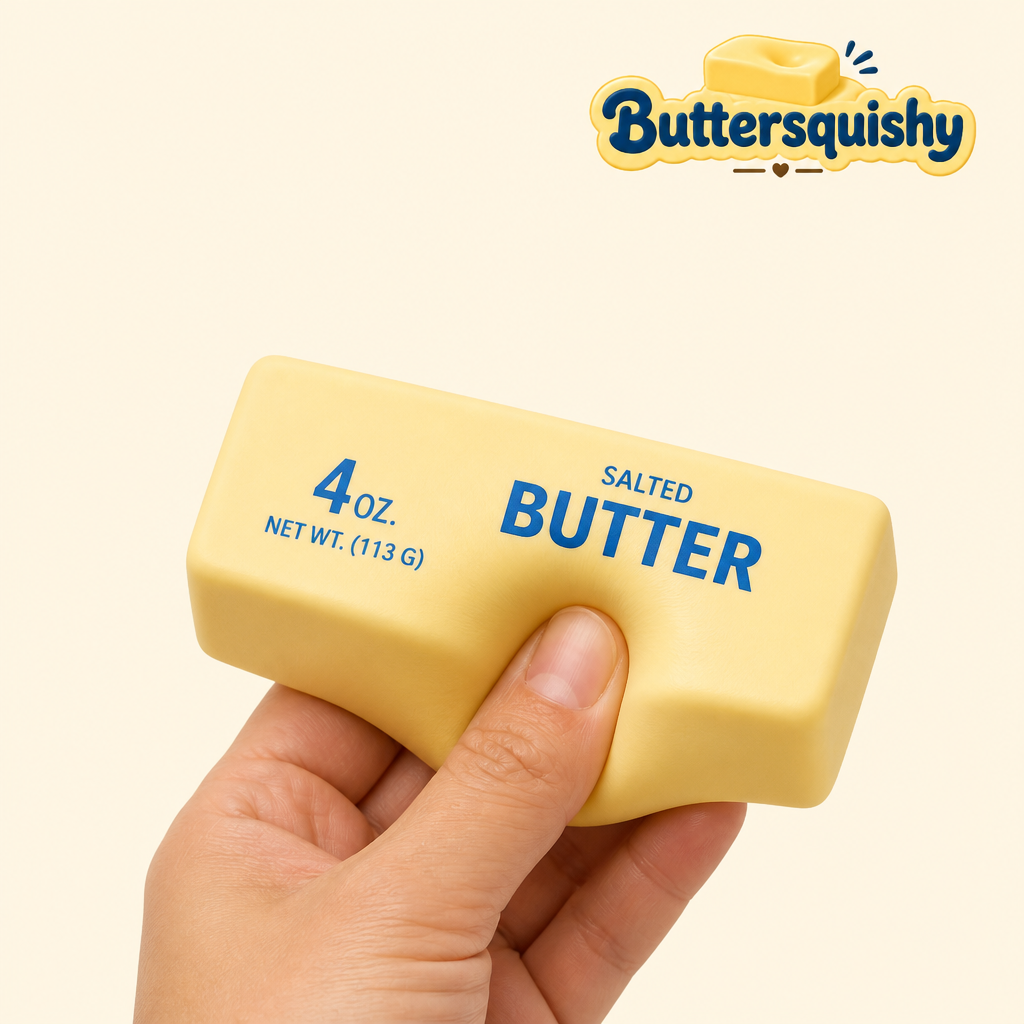 Sunset Trio Butter 3-Pack
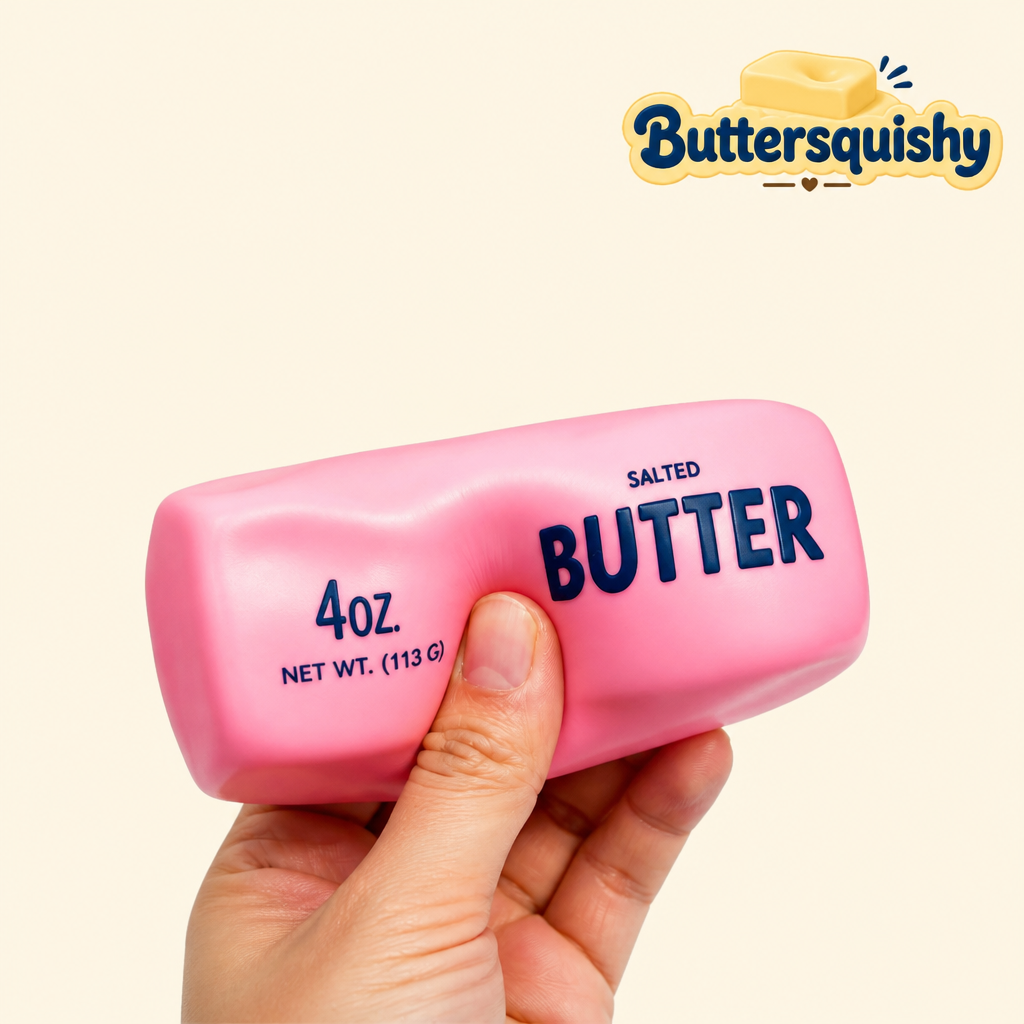 Pink Orange Crunch Butter 2-Pack
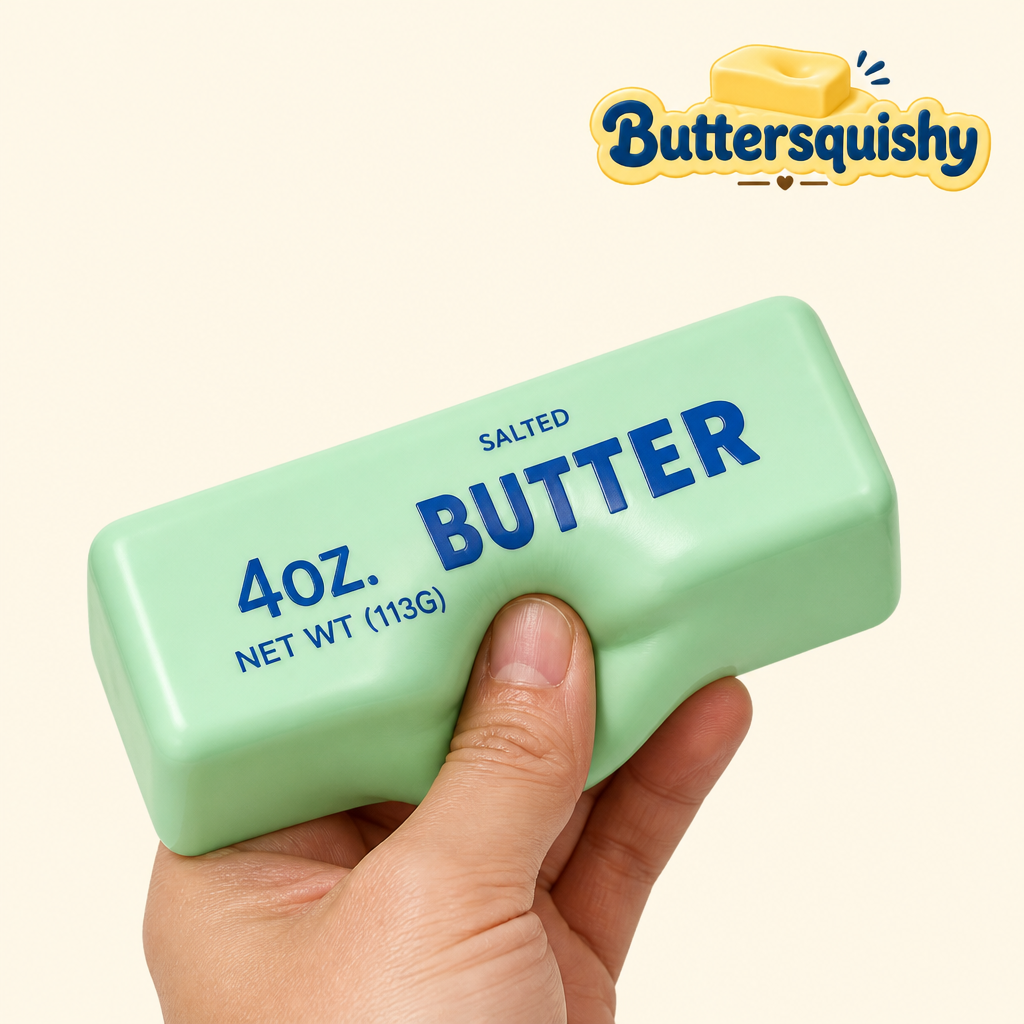 Mint Berry Crunch Butter 2-Pack
Fidget Dough: Practical Care, Cleaning, and Longevity Guide
Fidget dough and soft slow-rise squishies stay clean longest with a cool damp cloth and mild dish soap. Spot-test one drop of diluted soap on a hidden patch first, then wipe the outer skin and follow with a plain damp cloth. Air-dry the toy flat on a clean towel away from direct heat. For example, MindPanda warns that soaking slow-rise foam is the top cause of stickiness and lost texture. Never machine-wash squeeze toys or use bleach or alcohol, and discard any piece that tears, leaks, smells chemical, or stays sticky.
What Makes Fidget Dough and Soft Slow-Rise Squishies Sensitive to Water?
Shell construction determines how much water a squeeze toy tolerates, and slow-rise foam is the most fragile style. According to the National Capital Poison Center (Poison Control), squishy outer shells use latex, polyvinyl alcohol (PVA), polyurethane foam, silicone elastomer, or thermoplastic rubber. Meanwhile, interiors range from gels to solids like clay, cornstarch, flour, sand, or foam. Because each material handles moisture differently, a rinse method safe for solid rubber can ruin a porous slow-rise block.
For instance, MindPanda notes that slow-rise foam stress balls feel like a firm marshmallow and absorb moisture faster than smooth thermoplastic rubber. Holding foam under a faucet traps water inside and destroys its slow rebound. In contrast, a quick wipe clears skin oils and desk dust without pushing water past seams.
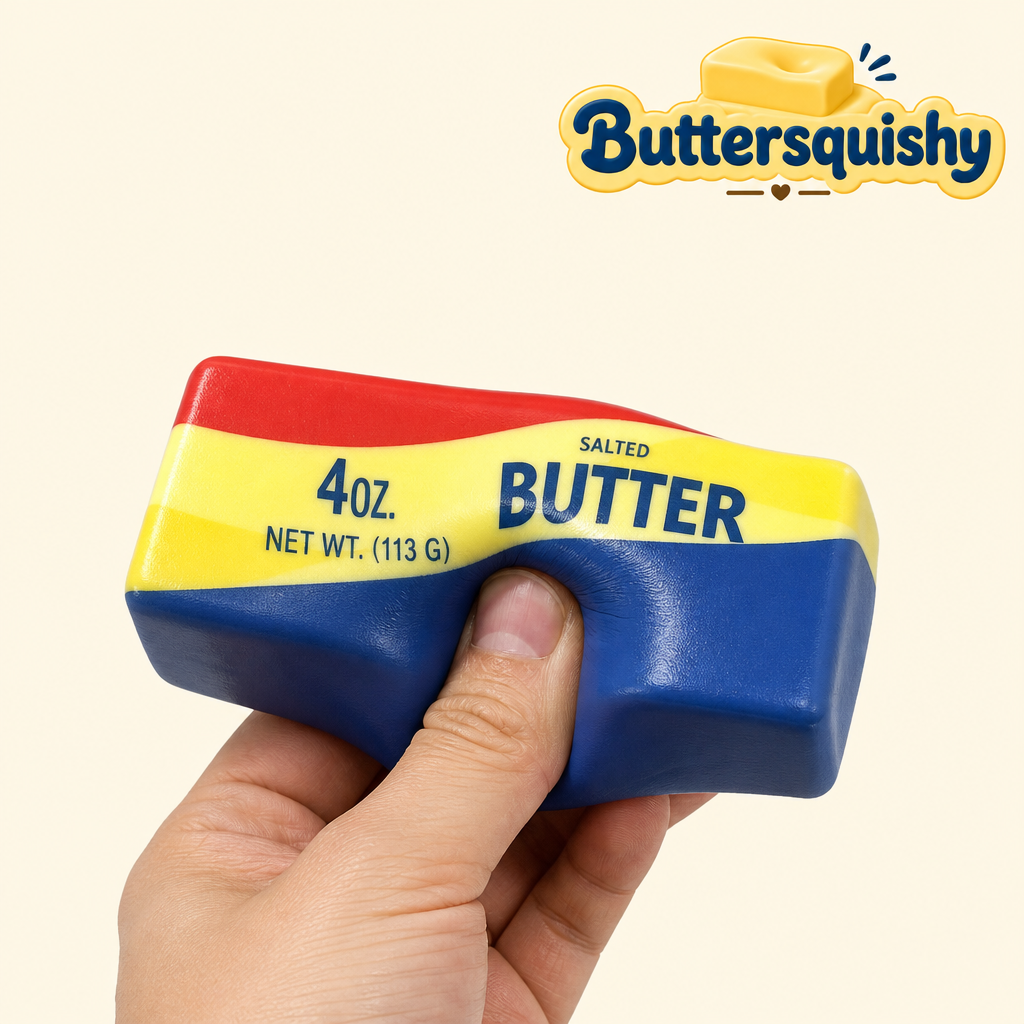
On Buttersquishy, Rainbow Stripe Butter is priced at $9.99 USD as a slow-rise, soft butter squishy. In practice, treating it as a moisture-sensitive non-food toy protects its red, yellow, and blue striped stick design. The table below matches common squeeze toy types with verified details, care steps, and retirement signs.
| Toy Type or Model | Verified Details | Moisture and Care Rule | When to Retire |
|---|---|---|---|
| Rainbow Stripe Butter | $9.99 USD; slow-rise soft butter squishy | Cool damp cloth; air-dry off heat | Tear, split, odor, or stickiness |
| Slow-rise foam toys | Spongy marshmallow feel (MindPanda) | Never soak or rinse under faucet | Trapped water or shedding bits |
| Dough-style TPR or gel | Shell over clay, starch, flour, sand, or gel (Poison Control) | Mild soap wipe, then plain damp cloth | Cracks, splits, or leaking fill |
| Thera-Band hand balls | Five firmness levels, two sizes (Reddit peer) | Firmer pick for heavy hands | Visible cracks or surface tears |
How Do You Clean Fidget Dough Without Causing Stickiness?
A four-step damp-cloth routine lifts hand oils off fidget dough and soft squishies while keeping moisture out of the core. According to MindPanda and Squeeze Toys, cool water, one drop of mild dish soap, and a soft cloth clean outer skins without stripping coatings. First, check seams, corners, and colored stripes for pinhole leaks or cracks before wetting the toy. If the skin is split, skip washing and throw the toy out.
Next, dilute one drop of mild dish soap in cool water and dab an unseen patch. Wait one minute to confirm there is no color transfer or texture change. After that test passes, wring out a soft cloth until it feels damp instead of dripping and wipe with light strokes. Immediately follow with a plain cool damp cloth to clear detergent film, because leftover soap triggers tackiness. Finally, air-dry the toy on a clean towel away from dryers or radiators, then press lightly in a couple of spots to check for trapped water.
Safe Care and Storage Checklist
One steady habit prevents soap film, soggy cores, and seam tears during desk use. For example, clean hands reduce oil transfer, while closed storage blocks lint.
- Inspect edges, seams, and colored stripes for cracks, tears, or leaks.
- Wash and dry hands before squeezing so skin oils stay off the shell.
- Spot-test diluted mild dish soap on a hidden patch for one minute.
- Wipe again with a plain cool damp cloth to lift detergent residue.
- Air-dry flat on a clean towel away from dryers, radiators, and sun.
- Skip soaking, faucet rinses, washers, bleach, alcohol sprays, and rough sponges.
- Store dry squishies in a drawer or closed box away from sharp tools.
Why Do Squishy Toys Turn Sticky or Grab Lint After Cleaning?
Stickiness after cleaning comes from either removable soap residue or permanent outer-layer breakdown. According to Squeeze Toys, a dough-style toy that turns tacky right after washing often has soap film sitting on its skin. Therefore, a second pass with a plain cool damp cloth followed by full air-drying solves soap tackiness without harsh chemicals.
However, light surface grip is different from dirt-grabbing tackiness. In an r/autism thread on non-sticky squishies, one commenter noted that a classic gel stress ball cube felt a little tacky outside yet left no residue on their fingers. By contrast, other posters disliked gummy exteriors that collect dust and dirt particles during everyday handling. If fidget dough still feels sticky once dry after a plain water wipe, the coating has worn down. Bleach, alcohol sprays, and rough sponges speed up that breakdown and split seams, so retire worn toys and browse fresh designs in the Buttersquishy Shop.
How Do Handling and Storage Habits Affect Lifespan?
Clean hands, moderate squeeze pressure, and enclosed storage protect soft squishies longer than frequent washing. According to Squeeze Toys, storing squeeze toys in a drawer or container keeps out dust, crumbs, and sharp objects like scissors. Meanwhile, squeezing with clean hands slows oil buildup and cuts how often you need to wipe the surface.
Grip force also sets how fast a soft shell wears down. In an r/fidgettoys thread on durable squishies, rough squeezers shared that they switch to firmer tools when soft toys break down. For instance, one user cited Thera-Band hand exercise balls priced at $11 to $15 USD across two sizes and five firmness levels from extra-soft to extra-firm. Another recommended silicone therapy putty for heavy hands. Consequently, avoiding aggressive pinching and fingernail pokes helps softer options like Rainbow Stripe Butter keep their finish.
Heat, Leak, Odor, and Small-Parts Safety Rules
Temperature limits and regular damage checks prevent burns, chemical irritation, and choking hazards. According to Poison Control, primary squishy toy risks are choking in young children and severe burns when a toy is microwaved, frozen, or left in hot cars or prolonged sunlight. Therefore, never warm a squishy in a microwave or chill it inside a freezer.
Poison Control also advises throwing away any toy with a chemical odor and checking often for holes, tears, or leaking gel. Never touch leaking gel with bare hands during cleanup. In addition, federal U.S. Consumer Product Safety Commission (CPSC) rules under 16 C.F.R. part 1501 ban children’s products for children under 3 that pose choking, aspiration, or ingestion hazards from small parts. That rule covers pieces broken off during use or abuse, while toys with small parts for older kids require warning labels under 16 C.F.R. § 1500.19. As a result, discard any squishy that sheds bits instead of gluing it.
Frequently Asked Questions
Can you put a dough squishy in the washing machine?
No, a washer cycle ruins soft squeeze toys. Tumbling stretches thin outer skins and pulls at weak seams until the shell bursts. Water exposure inside the drum also floods foam interiors and spoils their slow rebound. When everyday grime appears, switch to light hand-wiping with a wrung-out cool cloth and let room air dry the exterior.
Can you repair a torn or leaking squishy toy?
No, household glue and tape will not hold on a flexing squeeze toy. Repeated compression reopens patched seams, letting interior starch, clay, foam, or gel spill out onto hands and clothes. Shedding chunks also create a choking hazard in homes with toddlers under 3. Once any crack, split, or leak shows up, bag the toy and throw it out.
How should you care for Rainbow Stripe Butter day to day?
Rainbow Stripe Butter is a slow-rise butter squishy that holds up best under calm palm presses rather than nail pokes, hard pinching, or twisting. Because everyday dirt transfers from unwashed fingers, wash up before each session. Between uses, tuck the striped block inside a closed box away from hot window glare and pocket keys. However, if any split, leak, or lasting tackiness shows up, discard the toy right away.