

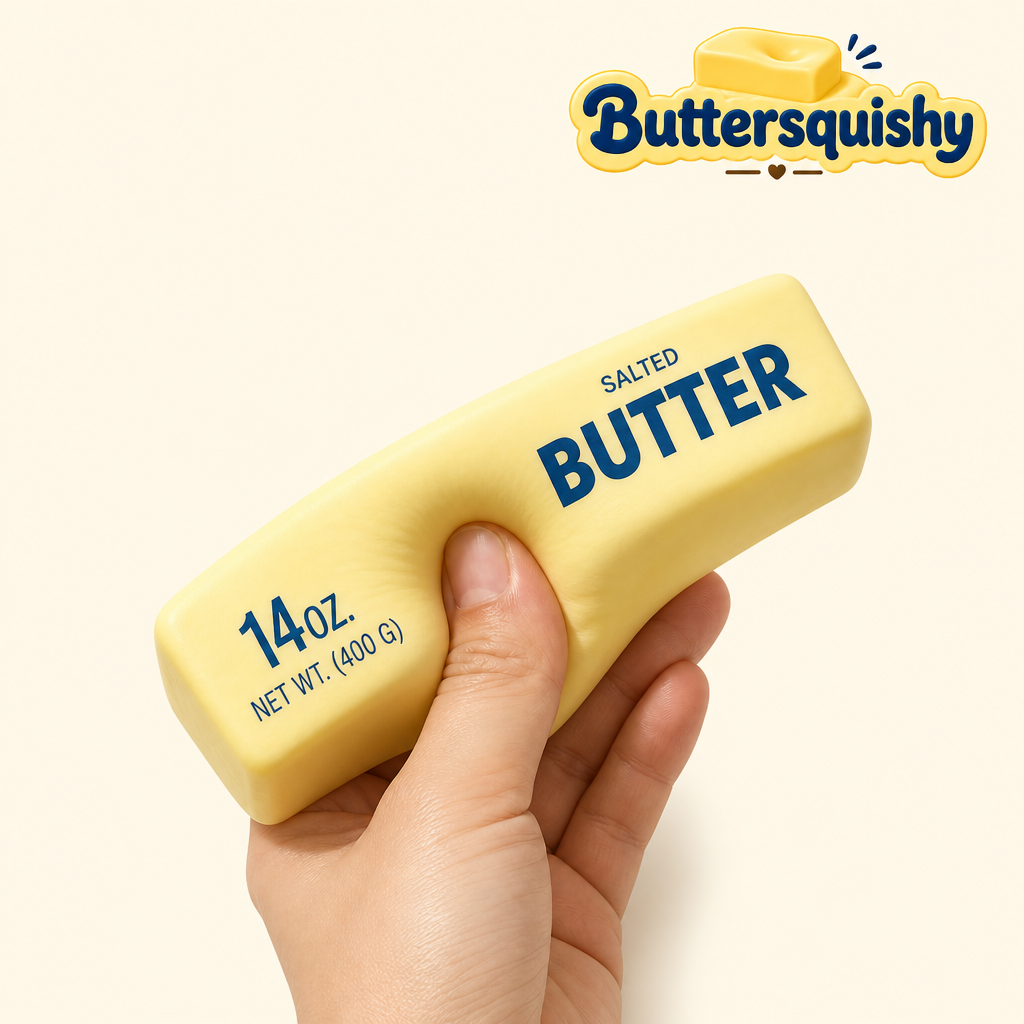
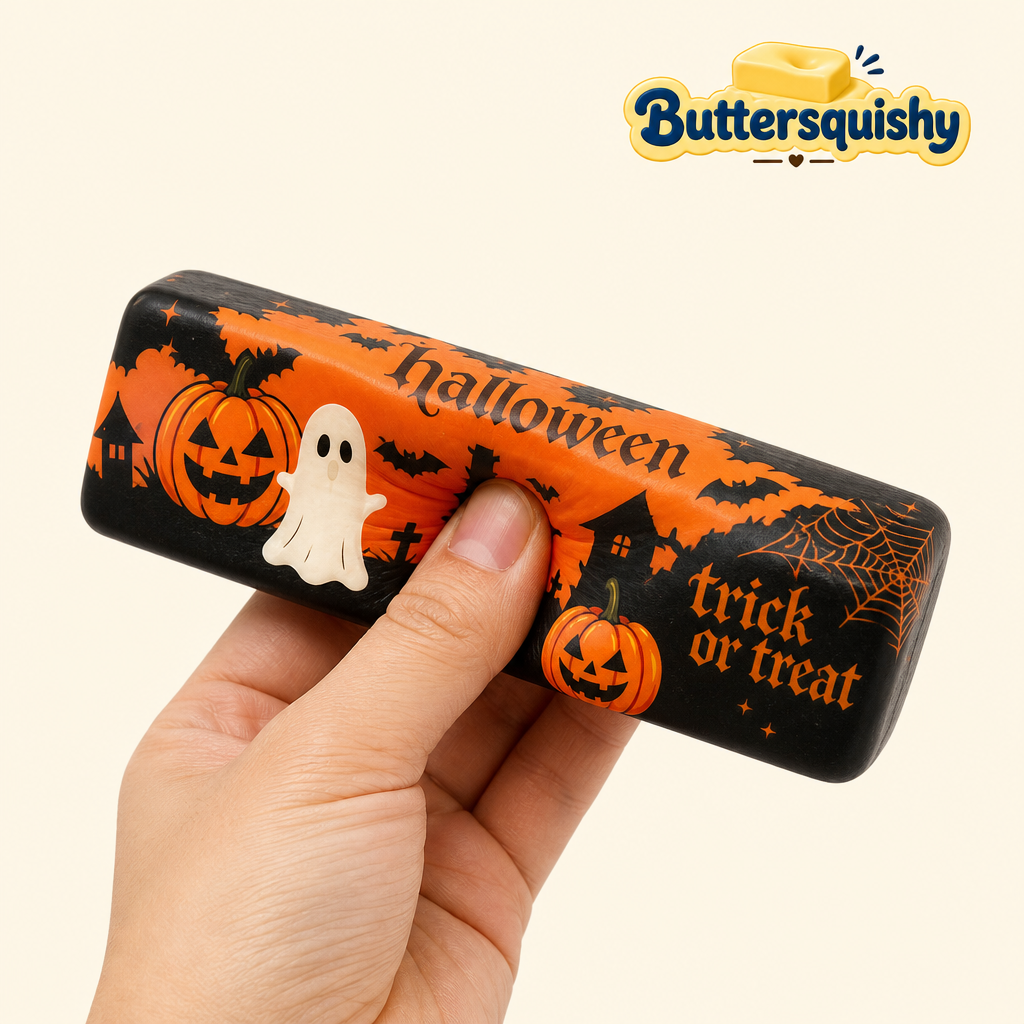
 Halloween Ghost Butter 3-Pack
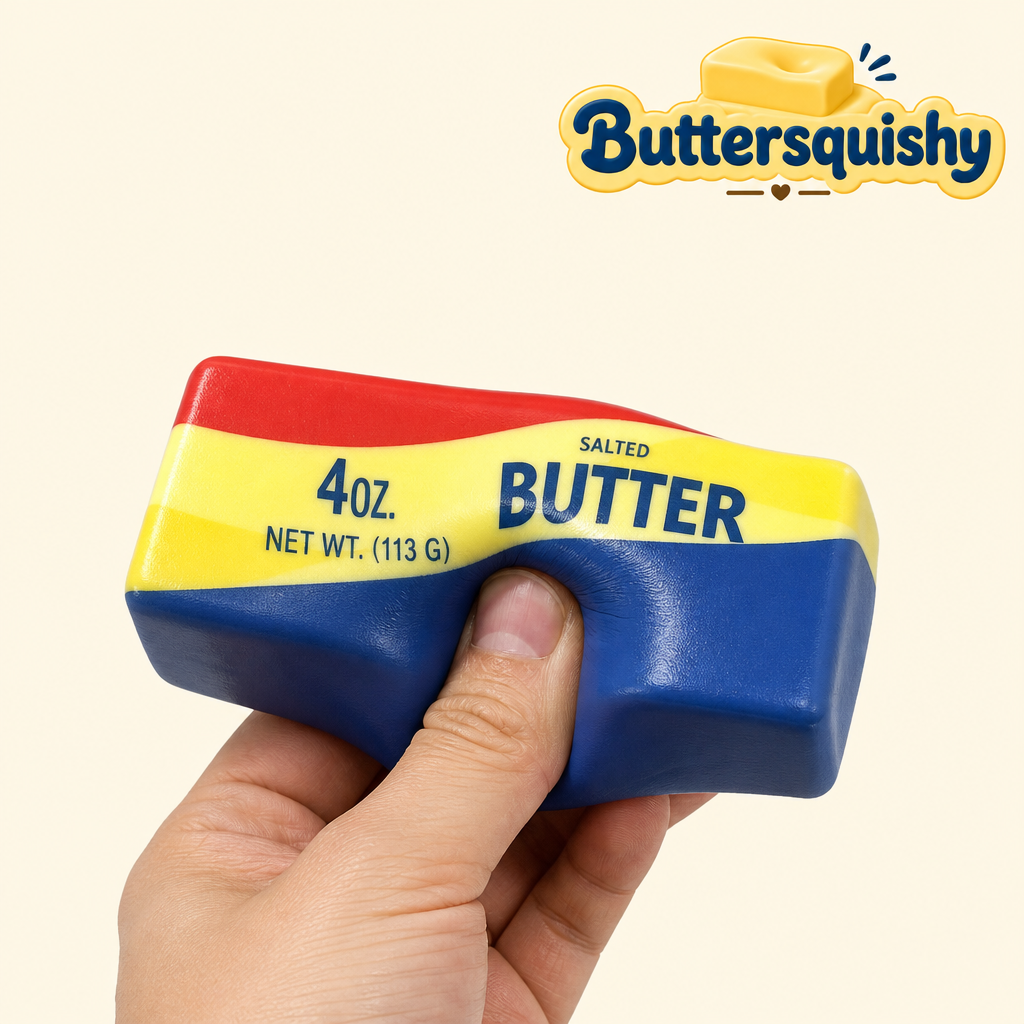 Rainbow Stripe Butter
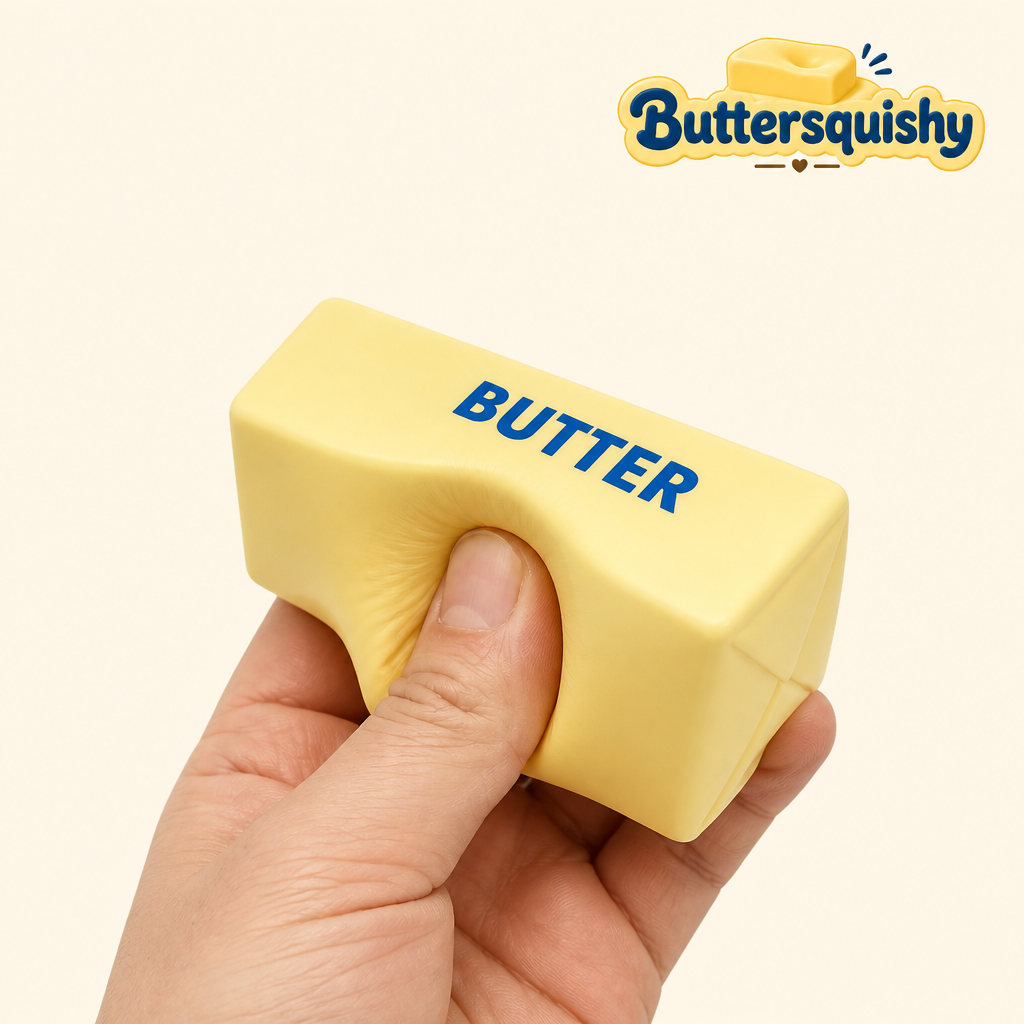 Chocolate Berry Butter 3-Pack
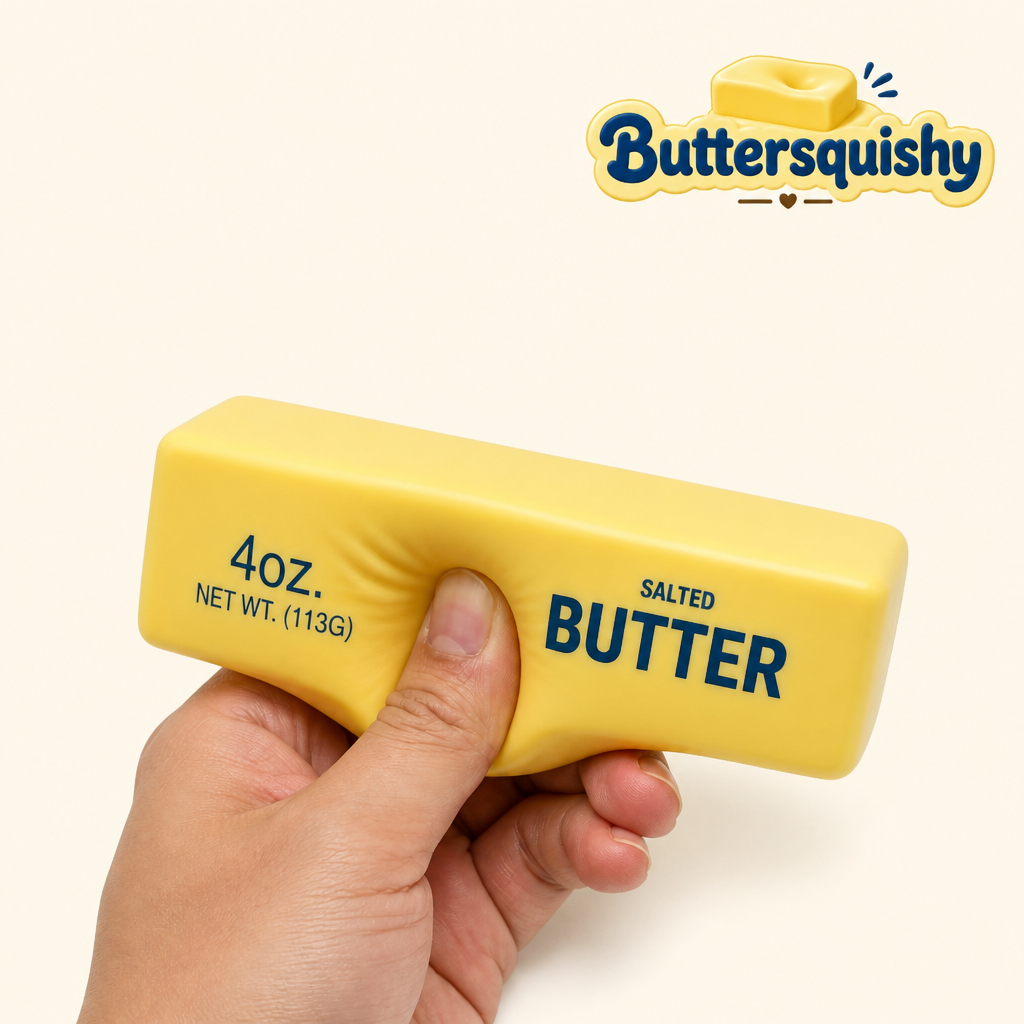 Strawberry Chocolate Butter 4-Pack
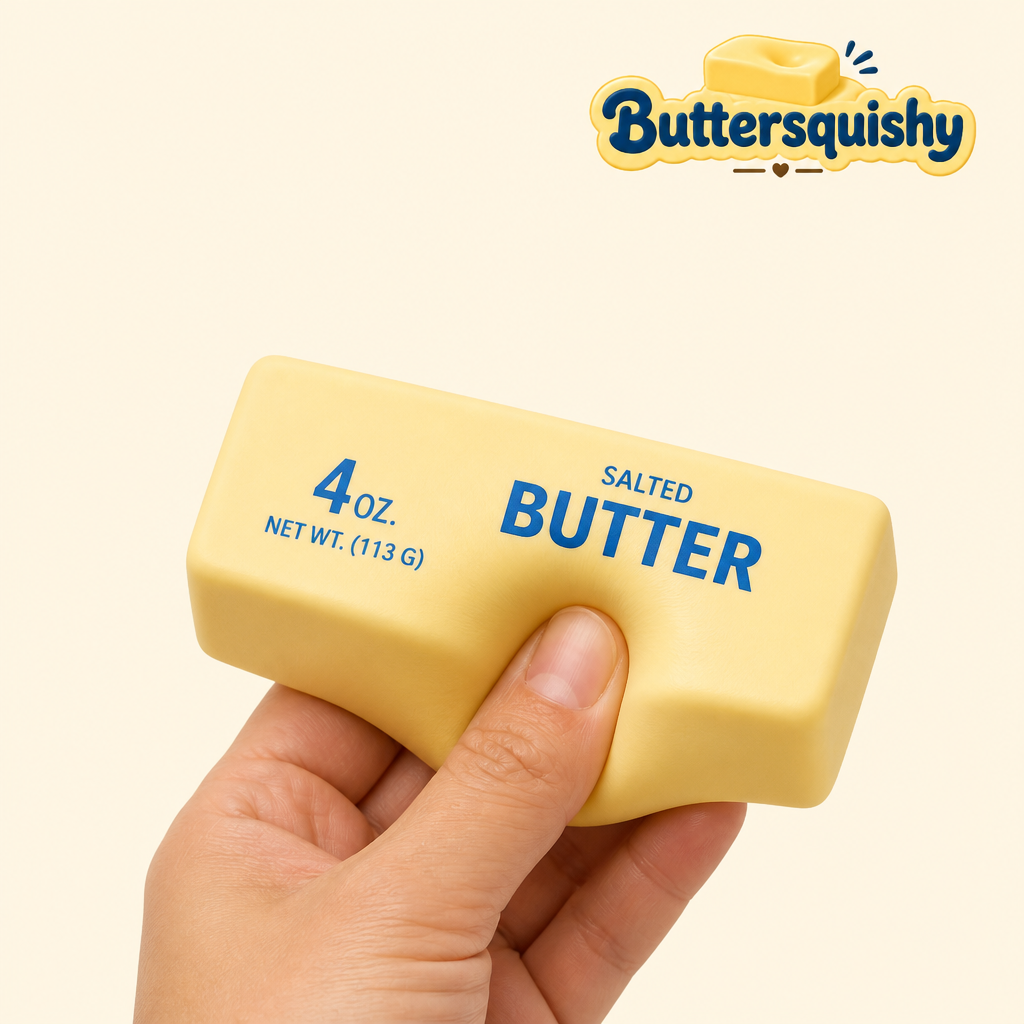 Sunset Trio Butter 3-Pack
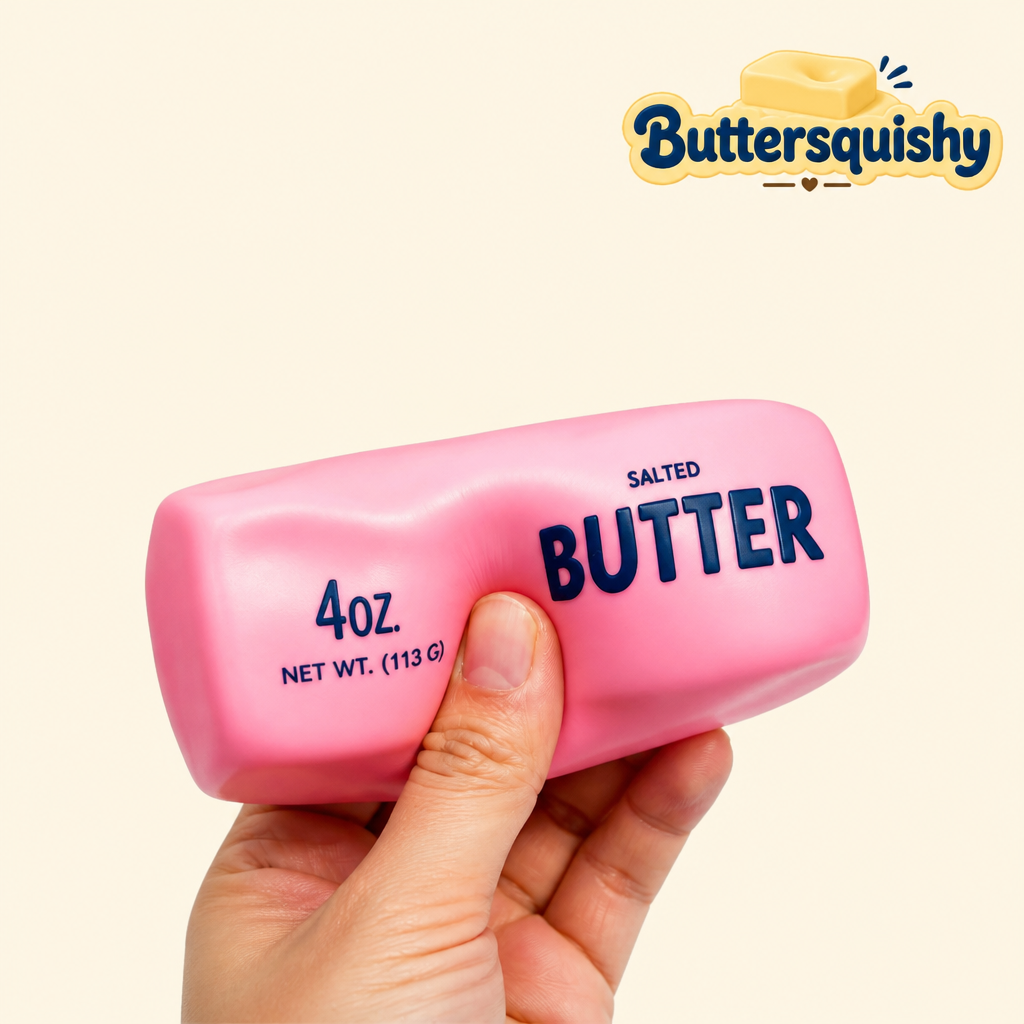 Pink Orange Crunch Butter 2-Pack
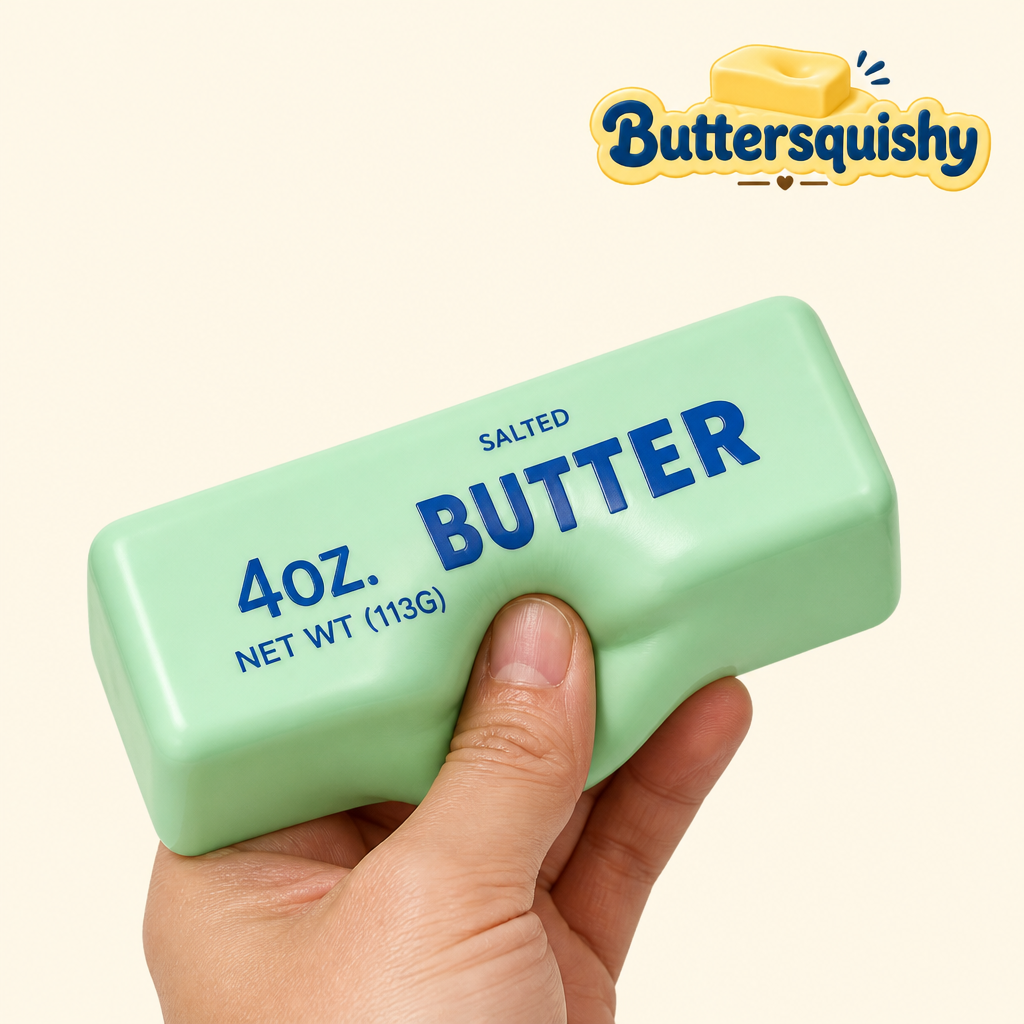 Mint Berry Crunch Butter 2-Pack
How to Clean a Butter Squishy Without Smearing the Wrapper Print
To learn how to clean butter squishy surfaces without smearing the wrapper print, start with lukewarm water and mild soap. Dampen a soft cloth, wring it out well, and dab dirty spots light-handedly instead of rubbing. Next, blot the same area with a clean damp cloth to lift soap residue. Let the foam air dry before squeezing it again. Skip soaking, hot water, scrubbing, solvents, alcohol wipes, bleach wipes, and baking soda so the painted graphics stay sharp.
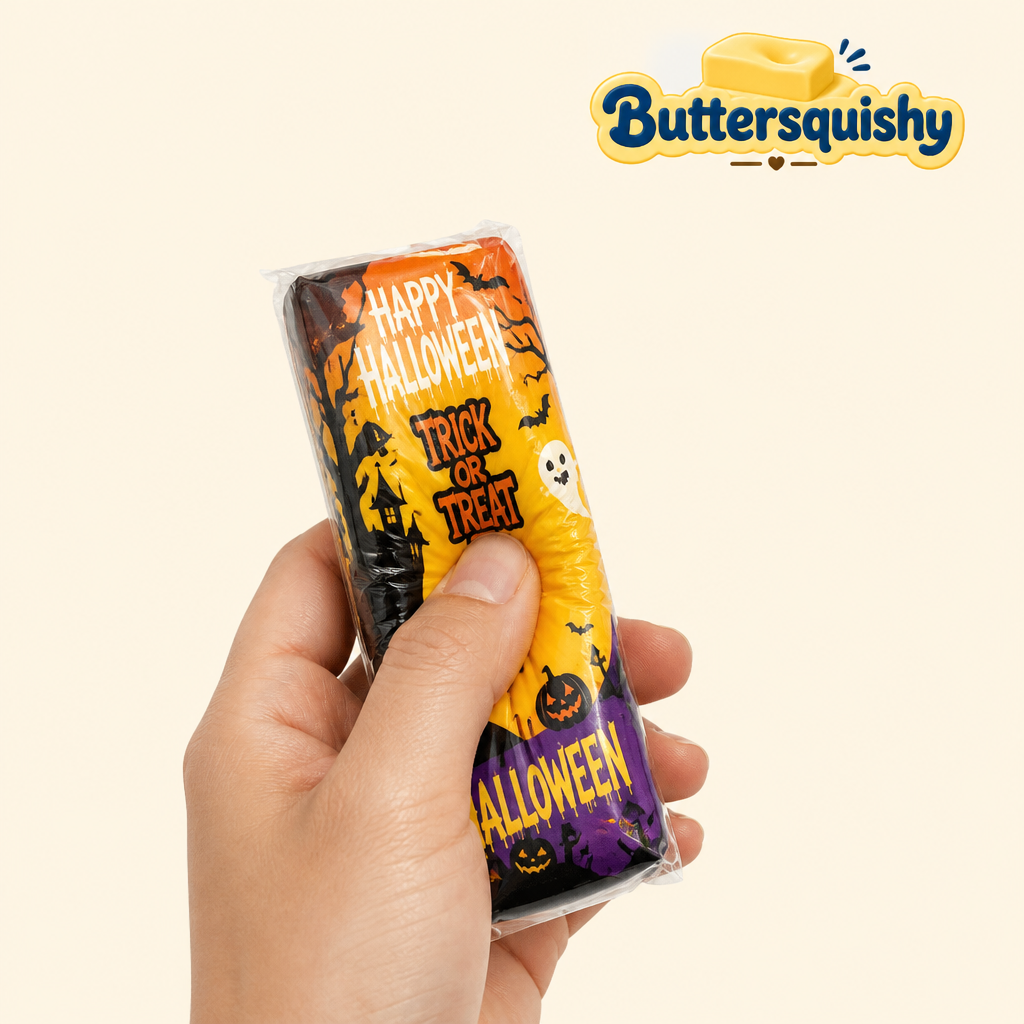
Printed slow-rise butter bars look like miniature seasonal sticks, as shown on the Halloween Ghost Butter 12-Pack. That set is listed at $19.99 USD for 12 slow-rise pieces weighing 113 g (4 oz) in total. Because dust and hand oils settle on matte foam during regular desk play, a low-moisture spot-cleaning habit keeps every bar fresh.
Why Do Painted Slow-Rise Butter Squishies Need Dabbing Instead of Soaking?
Slow-rise foam squishies absorb water like a sponge, so submerging them traps moisture inside the core. Meanwhile, hard rubbing lifts painted surface designs off the outer skin. According to Ipidipi Toys’ squishy cleaning guide, you should wipe foam toys with a well-wrung damp cloth rather than soak them. Always let the foam dry before anyone squeezes it. Pressing damp foam pushes water deeper inside, where it takes longer to dry than solid rubber.
In practice, printed graphics sit right on the flexible outer layer of the foam. For example, the Halloween Ghost Butter 12-Pack is listed with a 3-second rebound index, so the soft bar compresses deep under finger pressure. However, that pliable skin stretches when you scrub it with a wet towel, adding friction against the lettering and ghost art. Because the product page does not publish ink chemistry or machine-wash ratings, low-moisture dabbing is the safest routine.
Before picking a cleaning method, compare how moisture and friction affect painted foam. Dabbing lifts surface grime off the outer layer while keeping water out of the porous core. By contrast, soaking saturates the foam, and scrubbing drags grit across the artwork.
| Cleaning Method | Moisture Level | Risk to Printed Wrapper Art | Foam Core Impact |
|---|---|---|---|
| Wrung-out damp cloth dabbing | Low surface moisture | Low when you blot instead of rub | Keeps interior foam dry |
| Clean-water rinse dabbing | Low surface moisture | Low when cloth is well wrung | Removes soap film without soaking |
| Submerging in a sink or bowl | Full saturation | High risk of softened, peeling paint | Foam absorbs water like a sponge |
| Hot water or heat drying | High moisture or heat | High risk of warped graphics | Heat can melt or misshape foam |
Step-by-Step: How to Clean Butter Squishy Surfaces Without Peeling the Print
Cleaning a painted butter squishy takes under five minutes once you set out lukewarm soapy water and two soft cloths. According to Ipidipi Toys’ cleaning instructions, routine home cleaning with mild soap and water removes most surface grime and germs without harsh disinfectants. That approach fits everyday home care unless someone in the household is sick. Because mild soap does not sterilize porous foam or meet daycare sanitizing rules, treat this as normal upkeep.
Follow this checklist whenever you need to know how to clean butter squishy toys with printed designs:
- Set out two soft microfiber or cotton cloths, a bowl of lukewarm water, and mild liquid soap.
- Dip the first cloth into lukewarm soapy water and wring it until it feels damp, not dripping.
- Dab each dirty spot with light vertical pressure. Avoid circular scrubbing across painted letters or icons.
- Wet the second cloth with plain lukewarm water, wring it out, and blot away leftover soap.
- Place the butter squishy on a dry towel in an open room away from direct heat.
- Wait until the foam dries before squeezing it, because pressing damp foam drives water deeper inside.
Also check the seams and corners where pocket lint collects after daily handling. Instead of scraping dried smudges with a fingernail, rest the damp soapy cloth on the mark for two seconds and blot again. That lifts the smudge while protecting the painted finish.
What Cleaners and Habits Strip Wrapper Prints or Warp Foam?
Hot water, chemical solvents, disinfecting wipes, and abrasive scrubbers strip painted designs or deform slow-rise foam. According to WonderBaby’s guide on how to clean squishy toys, foam, silicone, and fabric-covered squishies need different care methods, and hot water can melt or misshape squishy toys. Meanwhile, Ipidipi Toys warns against nail polish remover, alcohol wipes, bleach wipes, scrub brushes, abrasive sponges, and baking soda. Solvents strip paint, and abrasives rub artwork off painted foam.
For example, baking soda feels mild on porcelain, yet its fine grit acts like sandpaper on printed foam graphics. Similarly, everyday alcohol or bleach wipes break down surface coatings faster than plain mild soap. Parents and gift buyers can also review the U.S. Consumer Product Safety Commission toy safety guides for general household toy safety context. When you know how to clean butter squishy packs like the $19.99 USD Halloween Ghost Butter 12-Pack, skipping these four hazards matters more than buying specialty cleaners.
| Household Item | Why Owners Try It | Documented Risk to Printed Butter Squishies |
|---|---|---|
| Hot tap water | Faster grease removal | Can melt or misshape squishy foam |
| Nail polish remover or solvents | Removing stubborn ink marks | Strips paint and damages toy surfaces |
| Alcohol or bleach wipes | Quick surface wiping | Breaks down painted foam finishes |
| Baking soda or scrub sponges | Lifting dark desk smudges | Acts as an abrasive that rubs paint off |
How Do You Fix Post-Wash Stickiness and Minor Print Wear?
Post-wash stickiness is a common foam surface issue that a light dusting of baby powder resolves. Minor paint wear can also be touched up with a small brush and acrylic paint. In an r/fidgettoys Reddit thread, a commenter noted that squishies often turn sticky after washing or frequent squeezing. They shared that baby powder restores a matte, non-sticky surface. In practice, dust only a pinch onto dry foam and brush off any excess so powder does not clump.
For instance, if surface artwork fades after months of play, WonderBaby notes that owners can reapply worn decorations with a small paintbrush and acrylic paint. Remember that acrylic paint touch-ups are only for decorative repair on non-food squeeze toys, not items meant for mouthing. Knowing how to clean butter squishy toys lowers wear risk, though it cannot promise zero fading on heavy-use pieces. Rotating bars across a 12-pack also keeps each piece crisp longer. Browse the Shop catalog to compare other slow-rise butter packs.
Frequently Asked Questions
Can you wash a painted slow-rise butter squishy with soap and water without peeling the print?
Yes, you can clean a painted slow-rise butter squishy with lukewarm water and mild soap. Blot dirty spots with a well-wrung soft cloth instead of submerging or scrubbing the bar. Follow with a clean damp cloth to lift leftover soap, then let the foam air dry before squeezing it again.
Will water ruin a slow-rise foam butter squishy?
Soaking or hot water can ruin a slow-rise foam butter squishy, whereas light damp-cloth wiping will not. Slow-rise foam pulls in water like a sponge, and pressing wet foam traps moisture inside the core. Hot water can also warp or melt the foam, so stick to lukewarm water on a wrung-out cloth.
How do you make a butter squishy less sticky after cleaning?
Once the foam has air-dried, dust a light pinch of baby powder over the tacky surface. Then brush away the extra powder with a dry cloth. In an r/fidgettoys discussion, fidget-toy owners reported that baby powder returns washed squishies to a matte touch. Apply it only to dry foam so it does not turn pasty.